
Lawn
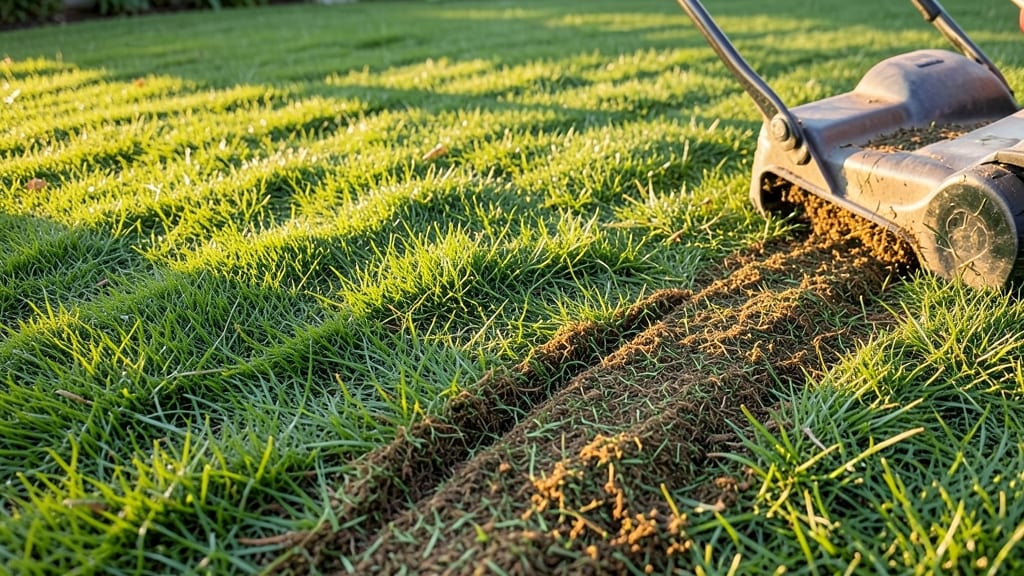
Mulched grass clippings return nutrients to soil, reduce waste, and save time by eliminating bagging while promoting healthier lawn growth through natural decomposition and moisture retention.
Mulching grass clippings works by letting them decompose directly on your lawn, acting like a slow-release fertilizer. 🌱 The clippings break down into organic matter, enriching the soil with nitrogen and other nutrients that grass roots absorb naturally.
This process also helps retain moisture, reducing the need for extra watering. I’ve seen lawns transform when using this method—thicker blades and fewer weeds over time.
For best results, use a sharp mower blade set to 3-4 inches height to ensure even mulching. Cool-season grasses like Kentucky bluegrass handle mulching better than warm-season types, which may need occasional bagging during peak growth. Always avoid mulching if your lawn shows signs of disease or drought stress.
💡 In This Article
- How Mulched Grass Clippings Boost Soil and Lawn Health
- Proper Techniques for Applying Mulched Grass Clippings
How mulched grass clippings boost soil and lawn health
Here's what's actually happening when you mulch grass clippings: they decompose into organic matter through a process called nitrogen mineralization. Fresh grass clippings contain about 2-4% nitrogen by dry weight, which gets converted by soil microbes into ammonium (NH₄⁺) and then nitrates (NO₃⁻) that grass roots can absorb.
This natural cycle mirrors what happens with synthetic fertilizers, but with a slower, more balanced release—typically 1-2 pounds of nitrogen per 1,000 sq ft per year from mulched clippings alone.
The decomposition process also creates a protective layer that reduces water evaporation by up to 30% compared to bare soil. This moisture retention is crucial because grass roots can extend 6-12 inches deep in healthy lawns, accessing water stored in the soil profile.
The clippings' fine texture creates tiny air pockets that improve soil aeration while their fibrous structure helps prevent soil compaction—a common issue with heavy foot traffic.
What most people don't realize is how mulched clippings compare to chemical fertilizers. A typical 10-0-10 synthetic fertilizer delivers nitrogen quickly but often causes runoff when overapplied. Mulched clippings, however, release nutrients gradually over 2-4 weeks, matching the grass's natural growth cycle.
The organic matter they create also improves soil structure over time, increasing water infiltration rates by 15-25% in compacted soils.
For optimal results, aim for a 1/4-inch layer of clippings after each mowing—any thicker can smother grass. The key factor is maintaining proper mowing height: 3-4 inches for cool-season grasses and 2-3 inches for warm-season types.
This ensures clippings break down efficiently while preventing thatch buildup, which can block water and air from reaching roots.
Consider this comparison: A lawn mowed weekly during peak season (May-August) can recycle 50-75 pounds of clippings per 1,000 sq ft. That's equivalent to applying 1-2 pounds of nitrogen—enough to support healthy growth without the environmental risks of synthetic fertilizers.
The organic matter also feeds beneficial soil microbes that help break down thatch and suppress weeds by outcompeting them for sunlight.
One advanced consideration is the carbon-to-nitrogen ratio (C:N) of clippings, which typically sits at 15:1 to 20:1. This balance ensures decomposition happens at a steady pace without depleting soil nitrogen.
For lawns with existing nitrogen deficiencies, you might supplement with 1/4 pound of nitrogen per 1,000 sq ft annually while continuing to mulch.
The real magic happens below ground: those decomposing clippings create a rhizosphere—the soil zone directly influenced by roots—where microbial activity peaks. This biological hotspot produces growth hormones like auxins that stimulate root development, making your lawn more drought-resistant over time. 🌱