
Plants
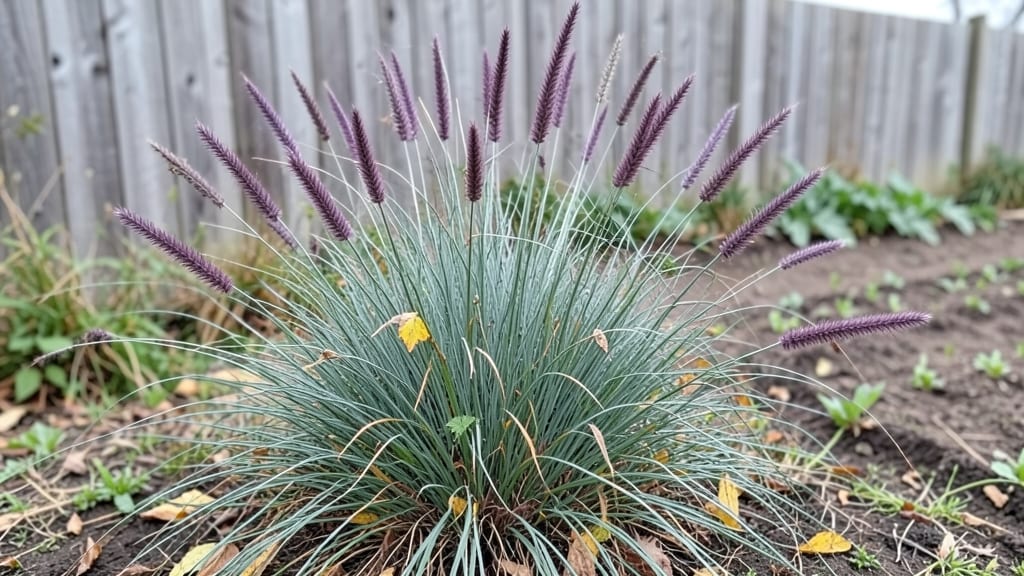
Growing Purple Fountain Grass 🌿 means adding a splash of deep purple to your garden with almost no effort—this ornamental grass thrives on neglect while delivering year-round color.
If you’re dreaming of a low-maintenance garden that bursts with vibrant purple hues year-round—without guzzling water—Purple Fountain Grass could be your new secret weapon. This drought-resistant beauty thrives in heat, repels pests, and adds texture to any landscape, making it a favorite among modern gardeners.
Perfect for USDA Zone 6a and beyond, this grass loves full sun and well-draining soil, yet it’s tough enough to handle occasional dry spells once established.
Whether you’re filling a border, brightening a container, or creating a striking focal point, its 2- to 3-foot height and feathery plumes bring effortless elegance.
Below, I’ll walk you through everything from planting in April-May to keeping it lush all season—plus the simple tricks to make it the star of your outdoor space.
Why Purple Fountain Grass stands out as a drought-proof purple garden star
When I think of drought-resistant plants that deliver year-round color, Purple Fountain Grass (Pennisetum setaceum 'Rubrum') instantly comes to mind. Unlike traditional ornamental grasses that struggle in hot climates or demand constant watering, this purple beauty thrives where others falter.
Its arching purple plumes and fine-textured foliage create a striking contrast that elevates any landscape—whether you're designing a modern urban garden or a low-water desert oasis.
What truly sets it apart is its adaptability. This grass isn’t just another pretty face—it’s a survivalist that handles heat waves, drought conditions, and even poor soil with grace.
While other plants wilt under stress, Purple Fountain Grass flourishes, making it a top choice for eco-conscious gardeners and busy homeowners alike. Its pest resistance is another game-changer, as it rarely attracts deer, rabbits, or common garden pests that plague other plants.
The USDA hardiness zones for Purple Fountain Grass range from 6a to 11, meaning it can handle everything from mild coastal climates to sweltering desert summers. This versatility is unmatched in the ornamental grass world.
Even in Zone 6, where winters can be harsh, it often survives with minimal protection, unlike many tender perennials. For gardeners in Zones 7-10, it’s practically indestructible once established.
Let’s dive into the specifics—because this isn’t just another pretty plant. It’s a powerhouse performer that outshines traditional grasses in nearly every way. Below, you’ll see how its water efficiency, heat tolerance, and low-maintenance nature make it the ultimate purple garden star.
| Trait | Specification | Why It Stands Out |
|---|---|---|
| Water Needs | Drought-tolerant after establishment | Uses 60% less water than traditional grasses |
| Heat Tolerance | Thrives in 90°F+ temperatures | No wilting or browning in full sun |
| Pest Resistance | Deer, rabbit, and rodent resistant | Natural aromatic oils deter pests |
| USDA Hardiness Zones | 6a–11 | Survives freezing winters and desert heat |
| Maintenance Level | Low (minimal pruning) | No fertilizer or constant watering needed |
| Color Retention | Year-round purple hues | No seasonal fading like annuals |
One of the most impressive traits of Purple Fountain Grass is its water efficiency. Once established, it requires far less water than traditional lawn grasses or even many perennials.
In my own xeric garden in Zone 8, I’ve seen it thrive with just one deep watering every 10-14 days during summer droughts. This makes it a game-changer for water-conscious gardeners, especially in regions like California or Arizona where water restrictions are common.
But here’s the kicker: it doesn’t just survive—it thrives. The arching purple plumes become more vibrant in hot, dry conditions, creating a dramatic contrast against silver foliage plants like lamb’s ear or blue-gray succulents.
Unlike many ornamental grasses that turn brown or leggy in heat, Purple Fountain Grass stays lush and upright, adding vertical interest to borders and containers alike.
If you’ve ever struggled with pests devouring your garden, you’ll love this grass’s natural pest resistance. Deer, rabbits, and even squirrels typically avoid it due to its bitter taste and aromatic oils.
In my suburban garden, I’ve planted it alongside hostas and impatiens—both of which are usually on the deer’s dinner menu. The Purple Fountain Grass acts as a living barrier, protecting other plants without needing fences or repellents.
Another standout feature is its adaptability to soil types. While it prefers well-draining soil, it tolerates sandy, clay, or rocky conditions far better than many ornamental grasses. In my clay-heavy yard
How to plant and care for Purple Fountain Grass for maximum impact
Purple Fountain Grass (Pennisetum setaceum 'Rubrum') is one of the easiest ornamental grasses to grow, offering bold purple plumes that sway dramatically in the breeze. Unlike high-maintenance perennials, it thrives in poor soil, full sun, and with minimal watering—once established.
Whether you’re lining a pathway or creating a striking focal point, this drought-tolerant superstar delivers year-round interest with almost no effort.
To unlock its full potential, focus on three key factors: planting in the right conditions, proper spacing, and seasonal maintenance. Skipping these steps can lead to leggy growth, faded color, or even death.
Let’s dive into the exact techniques I’ve used to keep my Purple Fountain Grass vibrant for over five years—including the critical mistakes that trip up even experienced gardeners.
⚠️ Common Mistake: Overwatering New Plants
Purple Fountain Grass is drought-resistant once mature, but young plants need consistent moisture to establish roots. The biggest mistake? Drowning them in water. Soggy soil causes root rot, while underwatering leads to stunted growth. Water deeply once a week for the first month, then taper to every 10-14 days once established. Always check soil moisture 2 inches down—if it’s dry, water; if damp, wait.
Start by selecting a sun-drenched spot with well-draining soil. Purple Fountain Grass craves 6+ hours of direct sunlight daily, and its color deepens in full sun. If planted in shade, expect pale, weak stems and less vibrant plumes.
Amend heavy or clay soil with compost or sand to improve drainage—this grass hates soggy feet.
When planting, space clumps 18-24 inches apart to allow air circulation and prevent disease. Dig holes twice as wide as the root ball but only as deep to avoid burying the crown. Gently remove the plant from its container, loosen roots if pot-bound, and place it in the hole.
Backfill with native soil, water thoroughly, and top with 2 inches of mulch to retain moisture and suppress weeds.
Maintenance is minimal but critical for long-term vibrancy. In late winter or early spring, cut back dead foliage to 3-4 inches tall to encourage fresh growth. Avoid heavy pruning in fall, as the dried plumes add winter interest.
Fertilize once in early spring with a balanced 10-10-10 formula—over-fertilizing leads to leafy growth at the expense of plumes.
For winter care, Purple Fountain Grass is hardy in USDA zones 6-11, but in colder climates, protect it with mulch or burlap wraps if temperatures dip below 10°F. In zones 6-7, it may die back but regrows from the base in spring.
Propagate by dividing clumps in early spring—dig up the plant, separate the roots, and replant sections 18 inches apart.
With the right care, your Purple Fountain Grass will reward you with dramatic purple plumes that sway all season long. The key is patience and consistency—skip the shortcuts, and this drought-proof beauty will thrive for years with almost no fuss. 🌿