
Lawn
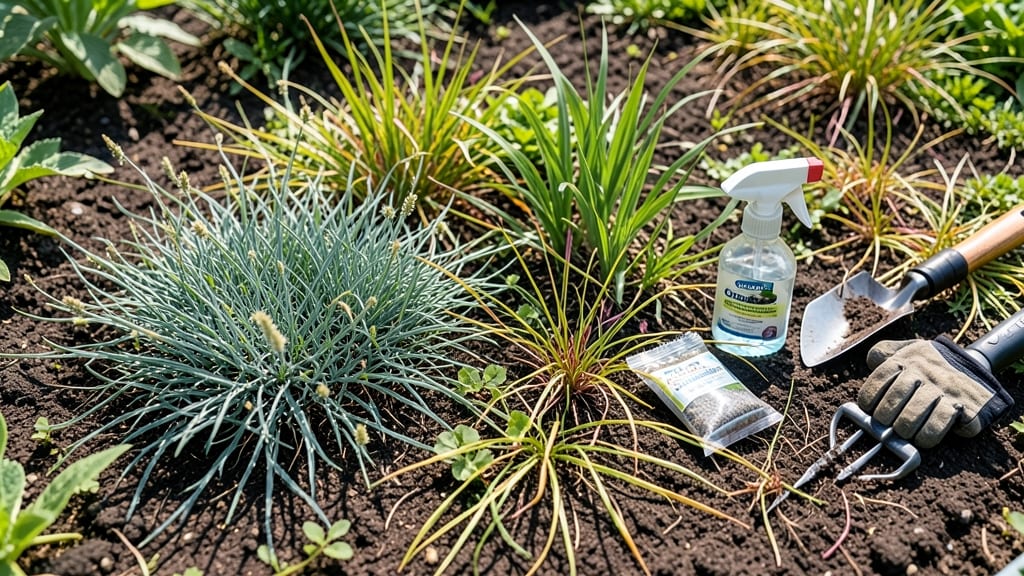
Those stubborn problem grasses in your lawn aren't just unsightly—they're stealing nutrients from your grass. 🌱 I've battled crabgrass, nutgrass, and Bermuda grass for years, and I've learned which methods actually work without killing your turf.
The key is knowing exactly what you're dealing with and attacking it at the right time. Most people make two mistakes: waiting too long to treat or using the wrong herbicide. Crabgrass thrives in thin lawns, while nutgrass spreads underground like a stubborn root system.
The good news? A 3-step approach—identification, targeted treatment, and prevention—can turn your lawn back into a lush, weed-free carpet in just a few months. You'll end up with a lawn that stays thick and green, where weeds can't take hold.
The secret is consistent care: proper mowing height, overseeding bare spots, and soil health that makes your grass too strong for invaders. No more patchy, weedy eyesores—just a lawn that looks like it belongs on a postcard. This works for any grass type, from cool-season fescue to warm-season Bermuda.
Let's get your lawn back under control!
Root Causes Of Unwanted Grasses
Understanding why invasive grasses take over your lawn is the first step to reclaiming it. These tough weeds don’t just appear out of nowhere—they thrive due to specific conditions that favor their growth over your desired turf. Let’s break down the science behind their persistence.
Unbalanced soil pH, compacted soil, or nutrient deficiencies weaken your lawn, making it vulnerable to problem grasses. Here’s how:
- Low Soil pH (Acidic Soil): Many invasive grasses, like nutgrass (cyperus rotundus) or crabgrass (digitaria spp.), prefer slightly acidic to neutral soil (pH 6.0–7.5). If your lawn’s pH drops below 5.5, your turfgrass struggles, while weeds flourish.
Soil tests reveal the truth—lime applications can restore balance, but overdoing it can also harm grass.
- Compacted or Poorly Aerated Soil: Heavy foot traffic, machinery, or clay-heavy soil compresses the root zone, reducing oxygen and water penetration. Problem grasses like dallisgrass (paspalum dilatatum) thrive in these conditions because their shallow roots don’t need deep aeration. Core aeration (removing small soil plugs) can relieve compaction, but timing matters—early fall or spring works best.
- Nutrient Imbalances (Too Much Nitrogen, Too Little Potassium): Over-fertilizing with high-nitrogen lawn foods can lead to rapid (but weak) turfgrass growth, leaving gaps for weeds. Meanwhile, low potassium (K) weakens grass resistance. Slow-release fertilizers with a balanced NPK ratio (e.g., 16-4-8) support strong turf while discouraging weeds.
💡 Pro Tip: Conduct a soil test every 2–3 years. Many extension services offer affordable kits—knowing your soil’s exact needs prevents guesswork.
Weeds don’t just compete—they seize opportunities. Thin or bare spots in your lawn create the perfect entry point for problem grasses like goosegrass (eleusine indica) or henbit (lamium amplexicaule). Common causes include:
- Thin Turfgrass Due to Disease or Pests: Fungal infections (e.g., brown patch, dollar spot) or insect damage (e.g., grubs, chinch bugs) kill grass, leaving exposed soil. Problem grasses spread via seeds or underground runners, filling these gaps faster than new grass can establish.
- Improper Mowing Height: Cutting grass too short (below 2–3 inches) stresses it, reducing shade and competition. Weeds like crabgrass germinate best in bare, sun-exposed soil. Adjust mower blades to the highest recommended setting for your grass type (e.g., 3–4 inches for Kentucky bluegrass).
- Slow Germination or Bare Patches from Renovation: Overseeding or sodding projects can leave temporary gaps.
If the new grass doesn’t establish within 2–3 weeks, weeds move in. Pre-emergent herbicides (applied 4–6 weeks before weed germination) can buy time, but post-emergent spot treatments are safer for new seedlings.
⚠️ Warning: Avoid scalarizing (removing thatch) if your lawn is already thin—this exposes soil and accelerates weed growth.
Some problem grasses are seasonal opportunists, while others exploit extreme weather. Key factors:
| Weed Type | Peak Growth Season | Why It Thrives | How to Counter |
|---|---|---|---|
| Crabgrass | Late spring–summer | Germinates in warm soil (>55°F) | Apply pre-emergent in early spring |
| Nutgrass | Summer–fall | Prefers moist, disturbed soil | Hand-pull tubers (they regrow easily) |
| Dallisgrass | Year-round (warm zones) | Spreads via stolons (above-ground runners) | Mow high (3–4 inches) to shade out roots |
| Chickweed | Winter–early spring | Germinates in cool, wet conditions | Improve drainage |
🌡️ Temperature Matters: Most problem grasses germinate when soil temps hit 55–65°F. Check local USDA Plant Hardiness Zones to time pre-emergent applications.
Even well-maintained lawns can fall victim to accidental weed propagation. Common mistakes:
- Using Contaminated Soil or Mulch: Topsoil, compost, or mulch from unknown sources may contain dormant weed seeds. Problem grasses like nutgrass can lie dormant for years before sprouting.
- Overwatering or Poor Drainage: Weeds like nutgrass and sedges love excess moisture. If your lawn stays soggy, amend with sand or organic matter to improve drainage.
- Ignoring Edges and Walkways: Weeds often creep in from sidewalks, driveways, or garden beds. Problem grasses like henbit spread via seeds carried by wind or animals. Maintain a 6-inch mulch barrier around lawn edges.
🔥 Hot Tip: Mow frequently (never remove more than 1/3 of the blade height) to weaken weeds before they seed. Bag clippings if weeds are flowering to prevent reseeding.
Some problem grasses outcompete turfgrass because they’re more resistant to pests and diseases. For example:
- Dallisgrass is grub-resistant, while many turfgrasses aren’t.
- Crabgrass tolerates salty or alkaline soils better than fescue or ryegrass.
If your lawn has chronic pest issues, the surviving weeds may be the hardiest species. Encourage beneficial insects (like ladybugs or nematodes) to naturally suppress weed seeds.
Problem grasses don’t just randomly appear—they exploit weak turf, poor soil, or favorable conditions. By addressing pH, compaction, mowing habits, and seasonal triggers, you can starve out weeds before they take root. The next step? Targeted eradication—but that’s a story for another section!
Targeted Lawn Rescue Strategies
Now that you’ve identified the culprits—whether it’s creeping bentgrass, crabgrass, or nutgrass—it’s time to reclaim your lawn. The key is precision: attacking the invaders without sacrificing your healthy turf.
Below are practical, step-by-step solutions tailored to the most common causes of grass problems, plus prevention tips to keep your lawn lush and weed-free long-term.
Cause: Thin grass leaves gaps, inviting weeds to take over. Fix: Rebuild your lawn’s defenses before going nuclear on weeds.
- 🌱 Aerate Like a Pro - Rent a core aerator (or hire a pro) to pull small soil plugs from your lawn.
This loosens compacted soil, letting air, water, and nutrients reach the roots. - When to do it: Early fall or spring, when grass is actively growing. - Pro tip: 💡 Follow up with a light raking to remove debris and smooth the surface.
- 💧 Water Deeply, Not Frequently
- Weeds thrive in shallow, dry soil. Water 1–1.5 inches per week, either all at once or split into two sessions (morning + evening).
- Sign of success: Grass roots grow deeper, crowding out shallow-rooted weeds.
- 🌿 Overseed Bare Spots
- Choose a disease-resistant, fast-growing seed (like tall fescue or Kentucky bluegrass) that matches your climate.
- Spread seed evenly with a broadcast spreader, then lightly rake and keep soil moist for 2–3 weeks.
- Prevention tip: ✨ Test your soil pH (ideal: 6.0–7.0) and amend with lime or sulfur if needed.
Cause: Persistent weeds (crabgrass, nutgrass, or broadleaf invaders) refuse to budge. Fix: Selective herbicides target weeds without harming your turf.
| Weed Type | Best Herbicide Approach | Application Timing |
|---|---|---|
| Grassy Weeds (crabgrass, bentgrass) | Pre-emergent (e.g., prodiamine or pendimethalin) | Early spring (before weeds sprout) |
| Grassy Weeds (post-emergent) | Selective post-emergent (e.g., quinclorac or mesotrione) | When weeds are young and actively growing |
| Broadleaf Weeds (dandelions, clover) | 2,4-D or dicamba-based herbicides (spot-treat) | Late spring/early summer (avoid drought stress) |
| Nutgrass (Nutsedge) | Sedge-specific herbicide (e.g., halosulfuron) | When nutsedge is 2–4 inches tall |
- Safety first: ⏰ Always follow label instructions—overapplying can harm your lawn. Wear gloves and avoid windy days.
- Organic option: 🌿 Try corn gluten meal (pre-emergent) or vinegar + dish soap (post-emergent for spot treatments), but results vary.
Cause: A few weeds sneaking in or herbicide-sensitive areas (like near sidewalks or flower beds). Fix: Hand-pull or dig out weeds when conditions are ideal.
- 🔪 Pull at the Right Time
- Grassy weeds: Yank them after rain when soil is soft (grab the entire root—especially for nutgrass!).
- Broadleaf weeds: Twist and pull before they seed (dandelions spread like wildfire!).
- 🌡️ Solarize for Tough Weeds
- Cover the area with clear plastic sheeting for 4–6 weeks in hot, sunny weather (85°F+). The sun cooks weeds from the inside out.
- Best for: Bare spots or heavily infested areas where you’re replanting.
- 🎯 Smother with Mulch or Cardboard
- Lay down cardboard (no glossy ink!) or thick mulch over weeds to block sunlight. This works best for preventing regrowth in garden edges.
Cause: Weeds keep coming back because conditions are perfect for them. Fix: Disrupt their lifecycle with these proactive habits:
- 📅 Mow High & Often
- Set your mower to 3–4 inches—taller grass shades out weeds and develops deeper roots.
- Bonus: Leave grass clippings ("grasscycling") to return nitrogen to the soil.
- 🗓️ Apply Pre-Emergent in Early Spring
- Before crabgrass or other annual weeds germinate (check your local last-frost date).
- Warning: ⚠️ Pre-emergents won’t kill existing weeds—use them as a shield, not a cure.
- 🌱 Improve Soil Health
- Test soil annually and add compost or slow-release fertilizer (like milorganite) to outcompete weeds.
- Soil hack: 💡 Mix in 1 inch of compost in early fall to feed roots over winter.
- 🚫 Stay Vigilant with Edges & Pathways
- Weeds love cracks in driveways or gaps near sidewalks. Fill cracks with gravel or sand and apply pre-emergent to borders.
Weeds are persistent, but layering methods gives your lawn the upper hand:
- Start with aeration + overseeding (fall).
- Apply pre-emergent in early spring.
- Spot-treat weeds as they appear with selective herbicides.
- Mow and water consistently to keep turf dense.
With patience and consistency, your lawn will crowd out weeds naturally—no more battling invaders every season! 🏡🌿
Frequently asked questions
How do I tell the difference between crabgrass and nutgrass in my lawn?
Crabgrass has flat, finger-like leaves with a rough texture and spreads via seeds, while nutgrass (also called nutsedge) produces triangular stems and grows from underground tubers. Look for the distinctive three-sided stems of nutgrass—it’s often confused with grass but isn’t even in the same family! Crabgrass thrives in sunny, compacted areas, while nutgrass loves moist soil.
Can I use vinegar to kill problem grasses without harming my lawn?
Spot treatments with a 20% vinegar solution (1 part vinegar, 3 parts water) can kill small weeds, but it’s risky for your lawn. Vinegar burns all plant tissue, so only use it on isolated patches and avoid spraying near desirable grass. For broader areas, opt for selective herbicides or manual removal instead.
Why do problem grasses keep coming back even after I treat them?
Many invasive grasses like nutgrass and Bermuda grass spread through underground runners or tubers, so surface treatments often fail. You must dig out the roots or apply systemic herbicides that penetrate deep. For nutgrass, hand-pulling after rain exposes the entire root system—critical for eradication.
Is it better to use pre-emergent or post-emergent herbicides for lawn weeds?
Pre-emergent herbicides (like prodiamine) prevent weed seeds from sprouting and are best applied in early spring before weeds germinate. Post-emergent herbicides (like quinclorac) target existing weeds but won’t stop new ones. For best results, combine both: use pre-emergent in spring and spot-treat visible weeds with post-emergent as needed.
How long does it take to see results after treating problem grasses?
Results vary by method: pre-emergent herbicides work immediately (preventing germination), while post-emergent treatments may take 1–2 weeks to show visible effects. Manual removal (like digging out nutgrass tubers) can take 30–60 minutes per square foot but provides instant gratification. Consistency is key—weeds often return if you stop treatment too soon!