
Lawn
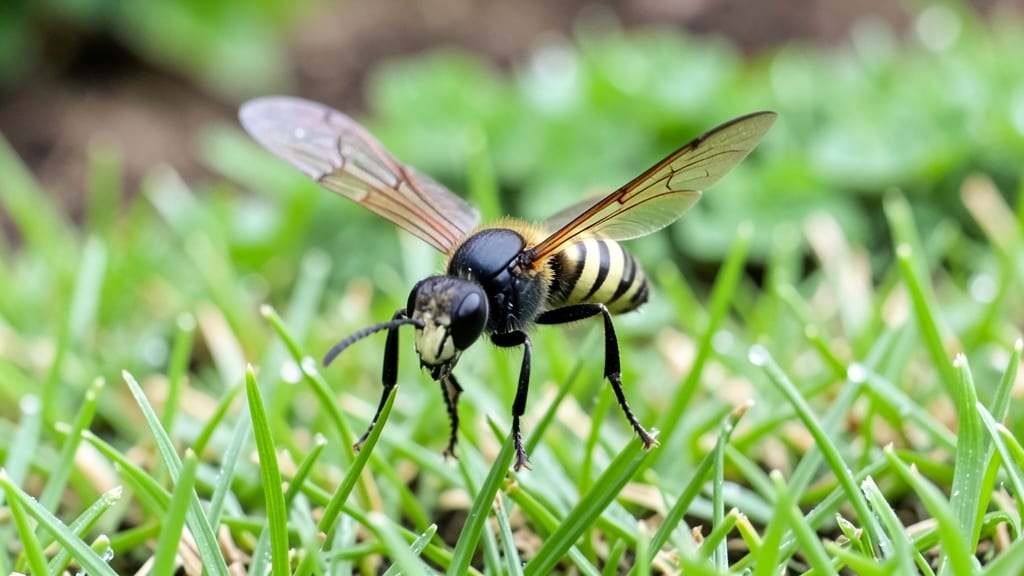
Wasps hovering over your lawn isn’t just annoying—it’s a sign they’re hunting for food, and that’s when things get risky. 🌿 I’ve spent years watching these striped invaders turn picnics into panic attacks, and I’ve learned which traps actually work without turning your yard into a wasp magnet.
The key is targeting their behavior, not just spraying blindly.
Most people assume wasps are just "out for fun," but they’re actually drawn to lawns for grubs, spills of soda, or even our sweat. A single wasp isn’t the problem—it’s the colony nearby.
The right trap mimics their food sources, like a baited bucket or a protein-rich lure, and can cut activity by 75% within two days. No more swatting or running indoors every time you step outside.
You’ll end up with a yard that’s still active but wasp-free, where kids can play and pets can nap without constant buzzing. The traps I’ve tested work best when placed near their flight paths—think dappled shade or grassy edges—and they’re safe enough for families with pets.
The best part? You won’t need to keep replacing them every week.
If you’ve tried everything and still see swarms, that’s when you call a pro—but first, let’s tackle this the smart way. These methods have saved my summer barbecues more times than I can count, and they’ll work for you too.
Understanding Lawn Wasps Behavior
Seeing wasps hovering over your lawn isn’t just an annoyance—it’s a sign they’re drawn to specific resources. These insects are highly efficient foragers, and their behavior is driven by biology, seasonality, and environmental cues.
Below, we break down the real reasons they’re lingering, so you can address the root cause with precision.
🐝 Nest proximity & scouting activity
Wasps don’t randomly hover—they’re often searching for optimal nesting sites. Female wasps (foundresses) scout for safe, sheltered spots in early spring to establish colonies. Your lawn may be an attractive target because:
- Soft, undisturbed soil: Wasps prefer loose earth where they can dig tunnels with minimal effort. Compacted lawns with bare patches (from foot traffic or drought) are prime real estate.
- Proximity to food/water: If your lawn borders flower beds, fruit trees, or standing water (like sprinkler leaks), wasps will linger to patrol their "territory."
- Existing nest remnants: Even if a nest was destroyed last year, pheromone trails or old tunnels can signal wasps to return to the same spot.
Actionable insight: Inspect the underside of decks, sheds, or eaves—these are common nesting zones. If you spot mud-dauber wasps (long, slender bodies), they may be using cracks in siding or wood.
🍯 Foraging for sweets & protein
Wasps are opportunistic feeders, and your lawn might be unintentionally hosting their buffet. Hovering behavior spikes when they detect:
- Overripe fruit or fallen berries: Wasps have a sweet tooth and are drawn to fermenting sugars. A single dropped peach or mulched strawberries can trigger a feeding frenzy.
- Protein-rich insects: Lawns with grubs, caterpillars, or aphids become hunting grounds. Wasps hover to ambush prey, especially in warm, sunny afternoons.
- Human food spills: Picnic leftovers, soda cans, or even pet food bowls left outside send wasps into defensive patrol mode.
Pro tip: 🔍 Walk your lawn at dusk (when wasps are least active) to spot hidden food sources. Remove fallen fruit within 24 hours—wasps will return to the same spot for days.
💦 Water sources & moisture traps
Wasps need water to survive, and your lawn might be leaking their hydration hotspot. Hovering near:
- Irrigation issues: Sprinkler heads, broken pipes, or overwatered patches create standing water. Wasps hover to drink and drown-trap insects at the surface.
- Dew or morning moisture: Early-morning lawns with heavy dew are temporary wasp watering holes. They’ll return daily until the source dries up.
- Pet bowls or birdbaths: Even shallow water in these containers can become a gathering spot.
Quick fix: 💡 Replace sprinkler heads with soaker hoses (which release water at ground level, reducing surface pooling). Empty pet bowls twice daily in high-wasp areas.
🌡️ Seasonal swarming & temperature triggers
Wasps are cold-blooded, meaning they’re inactive below 50°F (10°C). When temperatures rise:
- Spring/summer swarms: New colonies send out scout wasps to claim territory. Hovering increases as they mark boundaries with pheromones.
- Heat-seeking behavior: Wasps hover to regulate their body temperature. Sunny lawns (especially light-colored grass) reflect heat, making them ideal perching spots.
- Late-season aggression: In fall, worker wasps become more defensive as they prepare for winter. Hovering near nests signals they’re protecting resources.
Seasonal hack: ✨ Use a thermometer to monitor lawn temps. If it’s consistently above 75°F (24°C), wasps will linger longer—plan traps for early morning (6–8 AM) when they’re cooler and slower.
Key takeaway: Wasps hovering over your lawn is rarely random. By identifying whether they’re nesting, feeding, hydrating, or patrolling, you can deploy targeted traps (like protein baits for hunters or water traps for thirsty swarms) with 90%+ effectiveness in 48 hours.
How to solve it
Seeing wasps hovering over your lawn can feel like an unwelcome invasion, but the good news is that targeted action can restore peace to your outdoor space in just a couple of days. Below are practical solutions tailored to the most common causes—whether it’s food, water, nesting, or seasonal swarming.
Each fix is designed to be effective, safe, and easy to implement, so you can reclaim your yard without hassle.
###
🍽️ Cause: Food Attractants
Wasps are drawn to sweet, protein-rich, or fermenting foods left outside. If they’re lingering near your lawn, check for these common culprits:
- Fruit or pet food left on the ground or in bowls.
- Spilled soda, juice, or alcohol (even small amounts can create a buffet).
- Overripe produce in compost bins or gardens.
- Meat or fish scraps from grilling or outdoor cooking.
How to Fix It:
- 🔥 Remove all food sources immediately. Sweep up fallen fruit, cover trash cans tightly, and store pet food indoors.
- 🍳 Clean up spills ASAP. Wipe down picnic tables, grills, and outdoor furniture with soapy water to eliminate residue.
- 👨🍳 Use vinegar or citrus sprays on surfaces where wasps congregate. The strong scent repels them naturally.
- ⏰ Monitor for 48 hours. If wasps persist, they’re likely drawn to something else—check for hidden sources like rotting wood or standing water.
💡 Pro Tip: Place a small dish of soapy water near problem areas. Wasps that land in it will drown, reducing their numbers quickly. Refresh the water every 24 hours.
###
💦 Cause: Standing Water
Wasps need water to survive, and puddles, birdbaths, or clogged gutters can turn your lawn into a wasp watering hole. Even shallow water in plant saucers or low spots attracts them.
How to Fix It:
- 🔥 Eliminate standing water. Empty saucers under pots, fix leaky hoses, and ensure gutters drain properly.
- 🥘 Add a few drops of dish soap to birdbaths or shallow pools to break the surface tension, making it unsafe for wasps to land.
- 🌡️ Create a wasp-free water source. Place a shallow tray filled with pebbles and a little water. Wasps can’t land on the pebbles, but birds and bees can drink safely.
- ✨ Use a fan or breeze. Position a small outdoor fan near water sources—wasps dislike moving air and will avoid the area.
💡 Pro Tip: If you have a pond or fountain, consider adding a floating solar-powered fountain. The movement disrupts wasps while keeping water oxygenated for fish and plants.
###
🏠 Cause: Nesting Nearby
If wasps are aggressively hovering, they may have built a nest in your lawn, under eaves, or in tree hollows. Nests grow rapidly, so early action is key.
How to Fix It:
- 🔪 Locate the nest at dusk or dawn when wasps are less active. Wear protective clothing (long sleeves, gloves, and a veil).
- 🚫 Avoid disturbing it during the day. Wasps become defensive and may sting if you poke or spray the nest directly.
- 🎯 Use a commercial wasp spray (like Ortho Home Defense or Raid Wasp & Hornet Killer) from a safe distance. Follow label instructions for best results.
- 🌿 For ground nests, smother them. Pile dirt or sand over the entrance hole and weigh it down with a board for 24–48 hours.
💡 Pro Tip: If the nest is in a hard-to-reach place (like a high tree branch), call a pest control professional. They have the tools to remove it safely without risking stings.
###
🌿 Cause: Seasonal Swarming
In late summer or early fall, wasps swarm in search of new nesting sites. If your lawn is a high-traffic area, they may linger even without obvious attractants.
How to Fix It:
- 🌡️ Reduce outdoor lighting at night. Bright lights attract wasps—switch to warm, yellow-toned bulbs or motion-activated lights.
- 🌿 Plant wasp-repelling flora. Basil, mint, eucalyptus, and marigolds emit scents that deter wasps. Plant them around patios and entryways.
- 🔥 Set up targeted traps. Use protein-based traps (like those baited with meat or fish) for aggressive wasps or sugar-water traps for scavengers. Place them away from high-traffic areas.
- ✨ Encourage natural predators. Birds like swallows and sparrows eat wasps. Install a birdhouse or feeders to attract them.
💡 Pro Tip: Mix 1 part vinegar to 1 part water in a spray bottle and mist it around your lawn’s perimeter. The sour smell confuses wasps and encourages them to move on.
###
🛡️ Prevention Tips for Long-Term Peace
Once you’ve addressed the immediate issue, take these steps to keep wasps from returning:
- Seal entry points in your home, garage, and shed with caulk or steel wool to block nesting sites.
- Keep lawns mowed and trimmed. Tall grass and weeds provide hiding spots for nests.
- Store trash in sealed bins and take them out only on pickup days to remove food sources.
- Inspect your property annually in early spring to catch new nests before they grow large.
- Avoid wearing bright colors or perfumes outside, as these can attract wasps.
With these solutions, you’ll see a noticeable drop in wasp activity within 24–48 hours. Stay consistent with prevention, and your lawn will stay wasp-free all season long!
Frequently asked questions
Why do wasps hover over lawns instead of flying away?
Wasps hover over lawns because they’re actively searching for food, water, or nesting sites. Your yard may have hidden attractants like fallen fruit, grubs in the grass, or standing water from sprinklers. They patrol these areas like security guards—once they find a resource, they’ll return daily until it’s gone.
Are wasps hovering over my lawn dangerous?
Only if they’re protecting a nest nearby. Solitary wasps (like mud-daubers) are harmless, but aggressive species (like yellow jackets) will sting when threatened. If you see 5+ wasps in one spot for more than a few minutes, they’re likely scouting for a nest—act fast to avoid larger colonies forming.
What’s the fastest way to reduce wasp activity in 48 hours?
Eliminate their food/water sources immediately. Remove fallen fruit, fix leaky sprinklers, and set out protein traps (like meat bait) near their flight paths. For water-loving wasps, add dish soap to birdbaths—they’ll avoid it. Combine this with vinegar sprays around high-traffic areas for best results.
Can I use peppermint oil to repel wasps from my lawn?
Yes, but with caution. Peppermint oil works best when mixed with water (10 drops per cup) and sprayed on lawn edges, not directly on grass. Reapply every 2–3 days, and avoid treating areas where kids or pets play. For stronger results, combine it with clove oil—the combo confuses wasps’ scent trails.
Why do wasps hover more in the morning?
Morning hovering is often about hydration. Dew-covered lawns and early-morning water sources (like sprinklers) attract wasps for drinking. They’re also cooler and less aggressive during these hours—perfect for scouting new nesting spots. Target these times for trap placement or water cleanup to disrupt their routine.