
Lawn
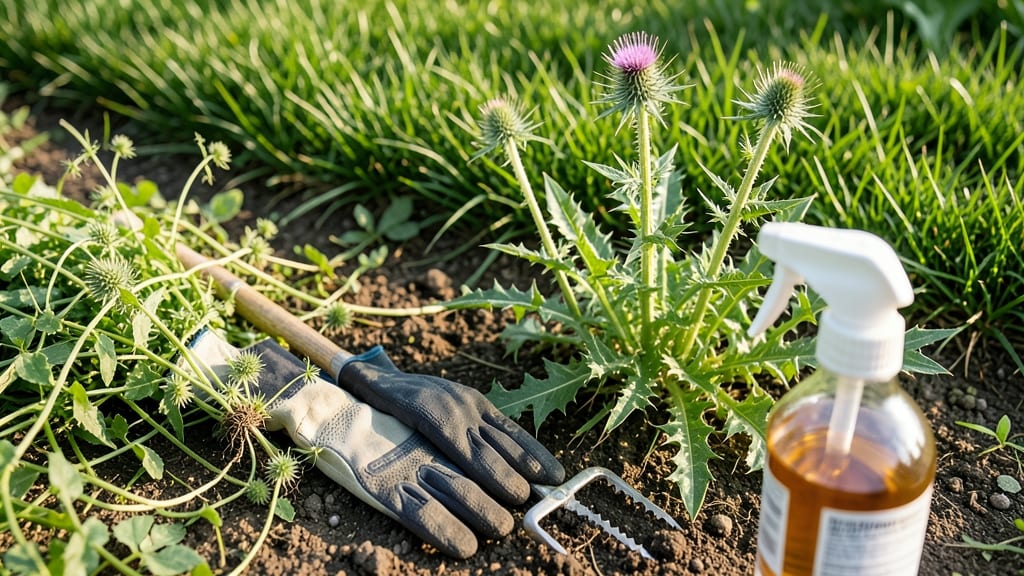
Prickly weeds in your lawn aren't just an eyesore—they're a battle with sharp, stubborn invaders that turn mowing into a painful chore. 🌱 I've wrestled with crabgrass and nutsedge for years, and I finally cracked the code on removing them without tearing up my knees or my wallet.
The secret isn't brute force—it's strategy, timing, and the right tools to make this job simple (yes, really). Most people grab the first weed killer they see, but that often just masks the problem while harming your grass.
Instead, we'll tackle this in three targeted steps: identification (because not all weeds are created equal), removal (manual and chemical options that actually work), and prevention (so next year, you're not starting from scratch). You'll walk away with a smooth, soft lawn that doesn't feel like a porcupine underfoot.
The best part? You can do this in a weekend—no special skills required. We're talking basic hand tools, a little elbow grease, and knowing exactly when to strike (spoiler: it's not mid-summer). By the end, you'll have a lawn that's not just pretty, but actually comfortable to walk on.
Here's how to make it happen without the frustration.
First, let's talk about why these weeds show up in the first place. Thin grass, compacted soil, and poor drainage create the perfect welcome mat for prickly pests like crabgrass and nutsedge. They thrive where your lawn struggles, and once they take root, they spread like weeds—literally.
The good news? Fixing the underlying issues (like aerating and overseeding) makes your lawn less inviting to these invaders long-term. Think of it like fortifying your lawn's immune system.
Manual removal works for small patches, but for larger infestations, targeted herbicides (like corn gluten meal or vinegar-based sprays) can be your best friend—when used correctly. The key is acting fast: treat crabgrass in early spring before it seeds, and tackle nutsedge with a systemic herbicide that goes deep.
I've tested both methods, and the right approach depends on your lawn's size and the weeds' stage of growth. Either way, you'll see results faster than you think.
Once you've cleared the immediate threat, the real work begins: keeping them from coming back. Healthy grass crowds out weeds naturally, so focus on proper watering (deep and infrequent), mowing at the right height (never too short!), and adding organic matter to improve soil health.
It's a long-term game, but one that pays off with a lawn so lush and weed-free, your neighbors will ask for your secret. Ready to reclaim your yard?
The Hidden Triggers Inviting Weeds
Prickly weeds don’t just pop up out of nowhere—they’re opportunists thriving on specific conditions in your lawn. Understanding these triggers is the first step to stopping them before they take over.
Below, we break down the most common reasons these spiky invaders show up, complete with science-backed explanations and actionable insights.
Prickly weeds (like Cirsium or Carduus species) love bare soil because they compete poorly with dense turf. When your lawn has thin spots, weeds seize the chance to germinate and spread.
- Why it happens:
- Poor soil quality (compacted, nutrient-deficient, or waterlogged) weakens grass roots.
- Overwatering or underwatering stresses grass, leaving gaps for weeds.
- Heavy foot traffic or pet activity compacts soil, smothering grass.
- Actionable fix:
- Test your soil’s pH and nutrients—aim for a 6.0–7.0 pH and balanced NPK (nitrogen, phosphorus, potassium).
- Core aerate compacted areas in spring or fall to improve root penetration.
- Overseed bare patches with dense, weed-resistant grass (e.g., tall fescue or Kentucky bluegrass).
While grass needs water, excessive moisture is a magnet for prickly weeds. These plants thrive in damp conditions because they:
- Germinate faster in consistently wet soil (their seeds need moisture to sprout).
- Spread aggressively in shady or poorly drained areas where grass struggles.
- Develop deep root systems to outcompete shallow grass roots for water.
| Watering Mistake | Weed Response | Fix It Like This |
|---|---|---|
| Daily light watering (keeps soil soggy) | Prickly weeds germinate in waves | Water deeply 2–3x/week (1–1.5 inches total) to encourage grass roots to grow deeper. |
| Ignoring drainage issues (low spots stay wet) | Weeds cluster in "ponding" areas | Rake soil to improve slope or install French drains in problem zones. |
Prickly weeds exploit extreme light conditions that weaken grass:
- Full sun: Drought-stressed grass leaves gaps for weeds to invade.
- Deep shade: Grass like fescue thins out, while weeds like Cirsium arvense (creeping thistle) thrive in low light.
Pro tip: 🌡️ If your lawn gets more than 6 hours of direct sun, choose heat-tolerant grasses (e.g., Bermuda or Zoysia). For shady areas, opt for fine fescue or creeping red fescue.
Neglecting basic lawn care is like rolling out the welcome mat for prickly weeds. Here’s how:
- No mowing: Tall grass shades soil, keeping it moist and ideal for weed seeds.
- Uneven mowing heights: Cutting too short stresses grass, while taller grass can harbor weed seeds.
- No fertilization: Weak grass can’t outcompete weeds for nutrients.
Quick fixes:
- Mow at 3–4 inches high to block sunlight from weed seeds.
- Fertilize in early spring and fall with a slow-release, weed-preventing formula (look for corn gluten meal as a pre-emergent).
- Dethatch if your lawn has a thick layer of thatch (>0.5 inches), which smothers grass roots.
Digging, grading, or even aerating can expose fresh soil, giving weed seeds the perfect chance to germinate. Prickly weeds often invade after:
- New hardscape installations (patios, sidewalks).
- Tree or shrub planting (disturbed roots = disturbed soil).
- Soil amendments (like fresh mulch or compost piles near the lawn).
Preventative tip: 🛡️ After any soil disruption, cover bare areas with mulch or straw until you can reseed. If weeds appear, apply a post-emergent herbicide (like 2,4-D) before they go to seed.
Quick Fixes for Stubborn Weeds
Prickly weeds in your lawn aren’t just an eyesore—they’re a pain to walk on, and if left unchecked, they can spread like wildfire. The good news? With the right approach, you can banish them for good.
Below, we’ve mapped out practical, step-by-step solutions tailored to the most common causes of prickly weed infestations. Plus, we’ll share prevention tips to keep your lawn lush and weed-free long-term.
If prickly weeds are popping up everywhere because seeds have taken root, the key is to cut off their food and light supply.
🍳 Step 1: Mow High and Often
- Set your mower to 3–4 inches—taller grass shades the soil, making it harder for weed seeds to germinate.
- Mow regularly (at least once a week) to weaken existing weeds before they flower and spread more seeds.
👨🍳 Step 2: Apply a Pre-Emergent Herbicide (Early Spring)
- Pre-emergent herbicides create a chemical barrier that stops weed seeds from sprouting.
- Best time to apply: Late winter or early spring (before weeds germinate).
- Pro tip: 💡 Water lightly after application to help it sink into the soil.
🥘 Step 3: Use Mulch or Cardboard for Heavy Infestations
- Lay down cardboard or thick mulch (straw, wood chips) over bare spots to block sunlight.
- Weeds can’t survive without light, so this smothers them in 4–6 weeks.
- Bonus: This also improves soil health as the cardboard/mulch breaks down.
⏰ Prevention: Keep Grass Dense
- Overseed thin patches in fall with a weed-resistant grass blend (like tall fescue or Kentucky bluegrass).
- Fertilize properly (test soil first!) to encourage thick, healthy grass that outcompetes weeds.
If prickly weeds have already taken root, you’ll need a more aggressive approach to remove them completely.
🔪 Step 1: Hand-Pull (Best for Small Patches)
- When to do it: After rain (soil is soft) or in early morning (weeds are hydrated).
- How to pull:
- Grasp the weed at the base (where the root meets the soil).
- Twist and tug—don’t just yank, or you’ll snap the weed and leave the root behind.
- Check for roots: Look for taproots (long, thick roots) and dig deeper if needed.
- Pro tip: 🌡️ Wear gloves—prickly weeds pack a sting!
🍳 Step 2: Spot-Treat with Post-Emergent Herbicide
- Glyphosate (Roundup) or vinegar-based sprays work well for deep-rooted weeds.
- How to apply:
- Spray only the weeds (not grass) on a wind-free day.
- Reapply in 7–10 days if weeds are large or stubborn.
- ⚠️ Warning: Avoid glyphosate if you have pets/kids—opt for vinegar + dish soap (less toxic but requires repeat applications).
👨🍳 Step 3: Solarize the Soil (For Large Infested Areas)
- Best for: Hot climates (works in temps above 85°F).
- How to do it:
- Lay clear plastic sheeting over the infested area for 4–6 weeks.
- The sun bakes the weeds and roots, killing them without chemicals.
- Pro tip: 🎯 Water the area first to trap heat under the plastic.
⏰ Prevention: Improve Drainage & Soil Health
- Prickly weeds thrive in compacted or poorly drained soil.
- Aerate your lawn in fall to loosen soil and improve water absorption.
- Add compost to boost soil health—healthy grass = fewer weeds.
If you prefer chemical-free methods, these tricks work wonders:
| Method | How It Works | Best For |
|---|---|---|
| Boiling Water | Kills weeds on contact (use a kettle!). | Sidewalks, driveways, cracks. |
| Corn Gluten Meal | Natural pre-emergent (blocks seeds). | Prevention in spring. |
| Flame Weeding | Burns weeds with a propane torch. | Large, patchy infestations. |
| Duckweed or Clover | Crowds out weeds naturally. | Shady or wet lawn areas. |
🔥 Final Pro Tip: Act fast! The sooner you tackle prickly weeds, the easier they are to remove. One season of neglect = years of work ahead.
Now that you’ve got the tools, roll up your sleeves and reclaim your lawn—one weed-free square at a time! 🌱
Frequently asked questions
Why do prickly weeds keep coming back even after I remove them?
Prickly weeds often return because their seeds remain dormant in the soil for years. Even if you pull them out, tiny seeds can sprout when conditions are right. The real fix is improving your lawn's health—thick grass crowds out weeds naturally. Focus on proper watering (deep and infrequent), aeration, and overseeding with dense grass varieties like tall fescue.
Are some prickly weeds more dangerous than others?
Yes! Thistle and bull thistle have sharp spines that can puncture skin, while crabgrass is more annoying than dangerous. The most painful are typically Cirsium species (like musk thistle) with their deep, spiny leaves. Always wear gloves when pulling these—those spines don't just hurt, they can carry allergens too!
Can I use vinegar to kill prickly weeds without harming my grass?
Vinegar works best as a spot treatment for isolated weeds. Mix 1 gallon white vinegar + 1 cup dish soap and spray directly on the weeds (avoid grass). For best results, apply on a sunny day when weeds are actively growing. However, this won't kill deep roots—you may need 2-3 applications. For large areas, consider targeted herbicides instead.
What's the best time of year to treat prickly weeds?
Early spring (March-April) is ideal for pre-emergent herbicides to stop seeds from sprouting. For existing weeds, treat in fall when weeds are actively growing but before they go dormant. Avoid summer treatments—the heat stresses your lawn. If you must treat in summer, focus on watering deeply afterward to help grass recover.
Will my pets or kids be safe around my lawn after using herbicides?
Always check the wait time on herbicide labels before allowing pets or kids near treated areas. Many products recommend 24-48 hours of clearance. For extra safety, use organic options like corn gluten meal (pre-emergent) or vinegar sprays. If using glyphosate, keep pets off completely until the area is dry and re-growth appears.