
Plants
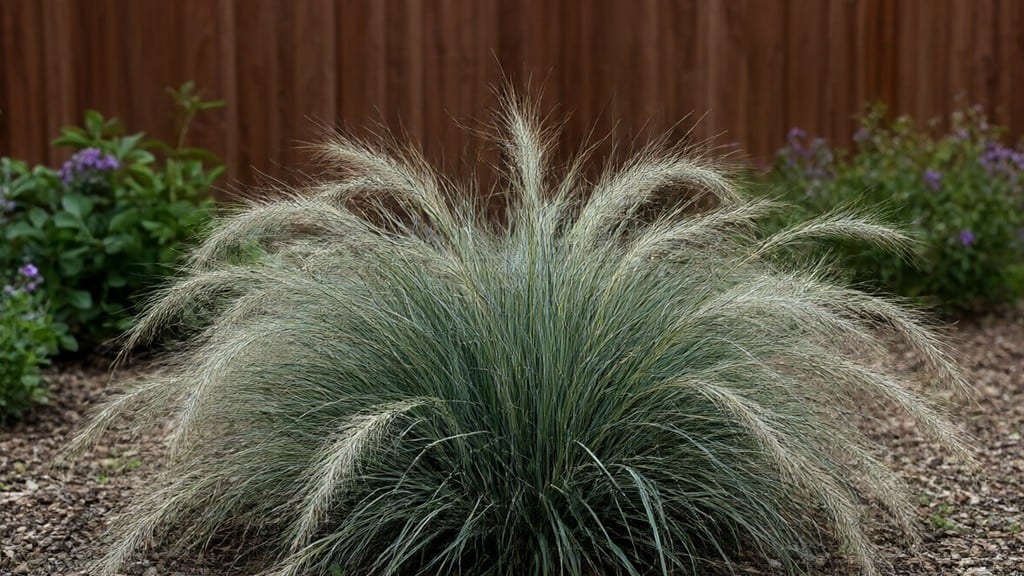
Growing lush ponytail Mexican Feather Grass 🌿 starts with the right pruning—because the way you trim it determines how full it stays.
Picture this: You’ve spent months nurturing your drought-tolerant beauty, only to wake up one morning and realize it’s looking more like a sparse ponytail than a bushy masterpiece. The fix isn’t complicated, but timing and technique make all the difference.
This low-maintenance grass thrives in zones 6a-11b, but even the hardiest plants need a little guidance to stay vibrant. Below, I’ll walk you through the exact steps to prune for fullness—no guesswork, just results.
By the end, you’ll know when to cut, how much to trim, and the one trick that keeps your grass looking thick and healthy year-round.
When and how to prune ponytail mexican feather grass for maximum bushiness
The Ponytail Mexican Feather Grass (Nassella tenuissima) is a drought-resistant stunner, but its feathery plumes won’t stay lush without the right pruning. The key? Timing and technique. Prune at the wrong time, and you risk stunting growth or inviting pests.
Prune at the right time, and you’ll encourage dense, bushy foliage that rivals a professional landscaper’s work.
Unlike many grasses, this ornamental beauty thrives on minimal intervention, but strategic cuts in spring and fall can transform a sparse clump into a full, vibrant display. The science is simple: pruning stimulates new growth by redirecting energy from leggy stems to fresh, dense foliage.
But timing matters—cut too early, and you’ll miss the growth surge; wait too long, and you risk over-pruning.
For maximum bushiness, focus on removing dead or overcrowded stems while preserving the plant’s natural shape. In USDA zones 6a-11b, your schedule shifts slightly: cooler climates favor early spring pruning, while warmer zones can extend cuts into late fall.
Below, I’ll break down the exact steps to prune like a pro—no guesswork, just results.
🌿
Step-by-Step Pruning Guide for Bushy Growth
-
Step 1: Choose the Right Time
Prune in early spring (March-April) to encourage new growth before summer heat sets in. In fall (September-October), prune after flowering to prep for dormancy.
-
Step 2: Gather Your Tools
Use sharp bypass pruners for clean cuts. Avoid dull shears—they crush stems and invite disease.
-
Step 3: Remove Dead or Damaged Stems
Cut brown or brittle stems at the base. These won’t regrow and rob energy from healthy foliage.
-
Step 4: Thin Out Crowded Areas
Look for overlapping stems competing for sunlight. Trim 1/3 of the oldest stems to encourage new growth.
-
Step 5: Shape for Fullness
Lightly trim outer edges to maintain a rounded shape. Avoid cutting into the center crown—this stunts regrowth.
-
Step 6: Clean Up and Fertilize
Remove all clippings and apply a low-nitrogen fertilizer (5-10-10) to support new growth. Water deeply afterward.
Spring pruning is your growth kickstart. When you cut back in early spring, you’re removing last year’s growth and signaling the plant to focus energy on fresh, dense foliage.
Think of it like a haircut for your grass: too short, and it looks sparse; just right, and it grows thicker. For maximum bushiness, aim to prune when new shoots are 2-3 inches tall—this ensures you’re not cutting into dormant buds.
In fall, pruning serves a different purpose: it cleans up the plant before winter and removes spent seed heads that could harbor pests. But here’s the catch—only prune after the first frost in your zone.
If you live in zone 10+, you can extend pruning into November, but cooler climates should wrap up by October.
One common mistake I see is over-pruning in fall. If you cut back too aggressively, your grass may struggle to recover before dormancy. Instead, focus on light shaping and removing only the most damaged stems.
The goal isn’t to create a bare skeleton—it’s to encourage a fuller base for next year’s growth.
Pro tip: If your Ponytail Mexican Feather Grass looks leggy or sparse, it’s often a sign of over-fertilizing or poor drainage. Before pruning, check your soil—amend with sand or perlite if it feels compacted. Well-draining soil is non-negotiable for this drought-loving grass.
🌱
Best pruning tools and techniques to encourage fullness
The right pruning tools make all the difference when shaping your Ponytail Mexican Feather Grass for maximum fullness. Many gardeners reach for dull shears, but these crush stems and create jagged cuts that invite disease.
Instead, invest in sharp bypass pruners—they make clean cuts that heal faster and encourage healthier regrowth. For larger clumps, a hand pruner with a 4-6 inch blade works best, while a small pair of scissors can handle delicate trimming of individual stems.
Proper cutting angles also matter. Always cut at a 45-degree angle just above a leaf node or bud. This angle prevents water from pooling on the cut, reducing rot risk. For thicker stems, use a saw-toothed pruner to avoid tearing.
The goal is to stimulate new growth from the base while maintaining the plant’s natural shape. Avoid cutting into the center crown—this can kill the plant by removing its growth point.
🌿
| Grass Stage | DO | DON'T |
|---|---|---|
| Young (<1 year) | Trim only dead stems; avoid shaping | Over-prune—focus on removing 10% max |
| Mature (1-3 years) | Thin 1/3 of oldest stems annually | Cut into center crown—stunts regrowth |
| Leggy/Sparse | Trim outer edges to encourage density | Use dull tools—crushes stems |
| Post-Flowering | Remove spent seed heads for clean look | Prune before frost in cold zones |
To stimulate new growth, focus on selective pruning rather than shearing everything evenly. When you remove 1/3 of the oldest stems in spring, you create space for younger shoots to fill in. This technique works especially well for mature plants that have become leggy.
Pair pruning with a light fertilizer application (5-10-10 NPK) to give your grass the nutrients it needs to bounce back thicker.
For young plants, keep pruning minimal—focus only on removing dead or damaged growth. Over-pruning young grass can stress the plant and delay its establishment. The key is patience: let your Ponytail Mexican Feather Grass grow for at least 12 months before aggressive shaping.
Once established, it’ll reward you with dense, feathery plumes that stay full for years.
One pro tip I swear by: always sterilize your pruning tools with rubbing alcohol between cuts. This prevents spreading disease from one part of the plant to another. I also recommend pruning on a dry, sunny morning—the cuts will dry quickly, reducing rot risk.
With the right tools and techniques, your grass will transform from sparse to bushy and vibrant in just a few weeks.
✂️