
Plants
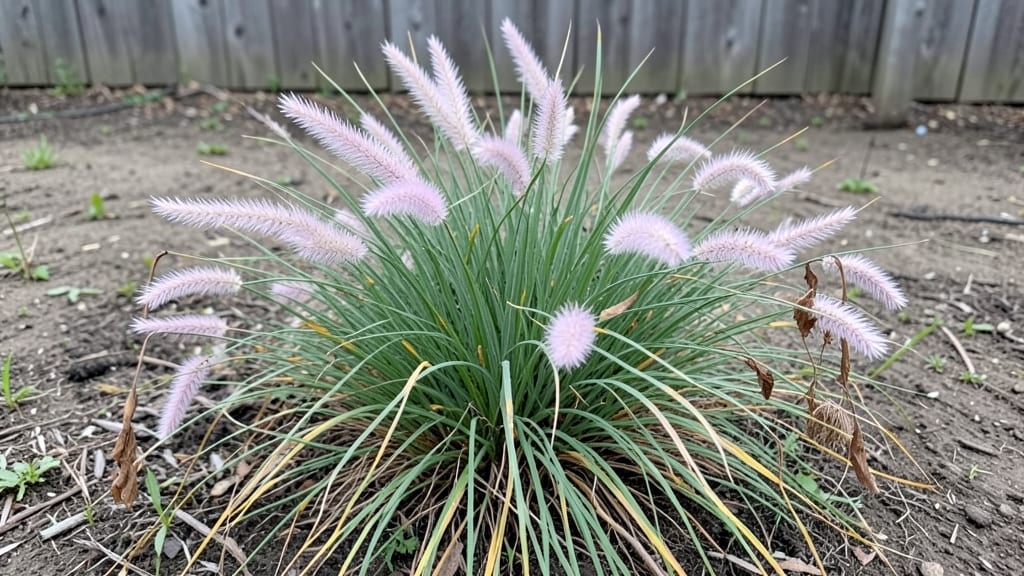
Winter care for pink muhly grass 🌿 keeps its signature pink plumes coming back stronger every spring.
Picture this: your garden’s fluffy pink clouds shrink to brown stubs by February, all because you missed the one trick that makes the difference between a dormant plant and a dead one.
The good news? This drought-loving grass is tougher than it looks—and with the right moves, it’ll bounce back better than ever.
Most gardeners assume pink muhly grass just fades into the winter, but it actually has hidden winter interest if you know how to protect it.
From mulching secrets to when (and when not) to prune, I’ll walk you through the exact steps to shield it from frost while keeping its signature flair intact.
By the end, you’ll know exactly how to prep your pink muhly grass for winter—so next year, your garden will still look like a dream, even when the snow starts falling.
How pink muhly grass survives winter: cold-hardiness explained
Pink muhly grass (Muhlenbergia capillaris) thrives in USDA hardiness zones 5 through 9, making it one of the most adaptable ornamental grasses for winter. Unlike delicate annuals, it doesn’t die back completely—it simply enters a dormant state when temperatures drop.
This natural survival strategy lets it focus energy on regrowth when spring arrives, ensuring those signature pink plumes return stronger each year.
The key to its winter resilience lies in its deep root system and ability to tolerate freezing temperatures down to -20°F (-29°C). However, extreme cold combined with wet soil or poor drainage can stress the plant, leading to winterkill.
Understanding its dormancy triggers—like shorter daylight hours and cooler nights—helps you time your winter care perfectly to protect it without smothering its natural cycle.
Here’s how pink muhly grass adapts to frost: its above-ground growth browns and dies back as temperatures drop, but the roots remain alive underground. This is not a sign of death—it’s how the plant conserves energy.
The challenge? Distinguishing between natural dormancy and winter stress, which can cause irreversible damage if ignored.
One common misconception is that pink muhly grass needs constant winter protection, like heavy mulching or covering. While these steps help in zones 5-6, overdoing it can suffocate the plant.
The goal is to insulate the roots while allowing airflow to prevent rot. Think of it like dressing for winter: you want warmth, but not so much that you can’t breathe!
In zones 7-9, pink muhly grass often requires minimal winter care because milder temperatures let it handle dormancy naturally. However, even in warmer climates, late-season frosts or unexpected cold snaps can damage new growth.
That’s why I recommend monitoring your local microclimate—a sheltered spot might offer 2-5°F extra protection, making all the difference.
Now, let’s break down the cold-hardiness factors that determine whether your pink muhly grass will bounce back or brown out for good. This summary table highlights the critical details you need to know:
| Factor | Zone 5 | Zone 6 | Zone 7 | Zone 8-9 |
|---|---|---|---|---|
| Cold Tolerance | Survives to -20°F | Survives to -10°F | Survives to 15°F | Minimal stress |
| Dormancy Trigger | Frost + short days | Frost + short days | Cooler nights | Minimal dormancy |
| Winter Stress Signs | Blackened stems | Mushy base | Slow regrowth | None (usually) |
| Mulch Thickness | 3-4 inches | 2-3 inches | 1-2 inches | None needed |
| Water Needs | Dormant (none) | Dormant (none) | Light water if dry | Normal cycle |
Notice how zone 5 requires the most protection, while zones 8-9 need almost none? This table shows why local climate is everything. For example, a pink muhly grass in zone 6a might need extra mulch if your winters dip below 0°F (-18°C)
Step-by-step winter care routine to prevent browning and death
Pink muhly grass (Muhlenbergia capillaris) may look dormant in winter, but it’s actually preparing for spring—if you give it the right support. Skipping winter prep often leads to browning or even death, but with these steps, you’ll keep it healthy until warmer weather.
The key? Timing and protection—not overdoing it or neglecting it entirely.
Many gardeners make the mistake of pruning too early or over-mulching, which can smother the plant. Others assume it’s fully dormant and forget to water at all. Neither approach works.
Pink muhly grass thrives in USDA zones 5–9, but it still needs minimal care to survive harsh winters. Let’s break it down into simple, actionable steps.
Winter Prep Checklist for Pink Muhly Grass
-
Step 1: Wait Until Late Fall
Hold off on pruning until after the first frost (around October 15 in most zones). This lets the plant store energy for spring. -
Step 2: Cut Back Dead Growth
Use clean pruners to trim brown, seed heads to 2–3 inches above the ground. Avoid cutting into green growth—this signals dormancy. -
Step 3: Apply 2–3 Inches of Mulch
Use straw or shredded leaves (never wet mulch). This insulates roots while allowing moisture to escape, preventing rot. -
Step 4: Reduce Watering to Monthly
Skip weekly watering—instead, give a deep soak once a month if your region has no snow cover. Overwatering is a top cause of winterkill. -
Step 5: Protect from Wind
If you’re in Zone 5 or colder, wrap the base in burlap or use a lightweight frost cloth to shield it from drying winds. -
Step 6: Avoid Fertilizer
Zero fertilizer in winter—this forces the plant to focus on growth instead of survival. Wait until early spring for a light feed. -
Step 7: Monitor for Ice Buildup
Gently brush off ice from seed heads to prevent stem breakage. Never use heat sources—this can burn the plant.
One of the biggest mistakes gardeners make is pruning in early fall. This removes the plant’s natural insulation and exposes it to early frosts. Another pitfall? Over-mulching, which traps moisture and leads to root rot. Stick to the 2–3 inch rule and use dry mulch only.
If you live in Zone 5 or colder, consider planting in a sheltered spot near a south-facing wall. The extra warmth can make all the difference. Even in milder zones, avoid heavy pruning—the old growth protects new shoots from cold snaps.
By following these steps, your pink muhly grass will wake up in spring vibrant and ready to bloom. The secret? Less is more—just enough care to keep it alive without overdoing it. Next year, your garden’s pink clouds will return with even more drama. 🌿