
Lawn
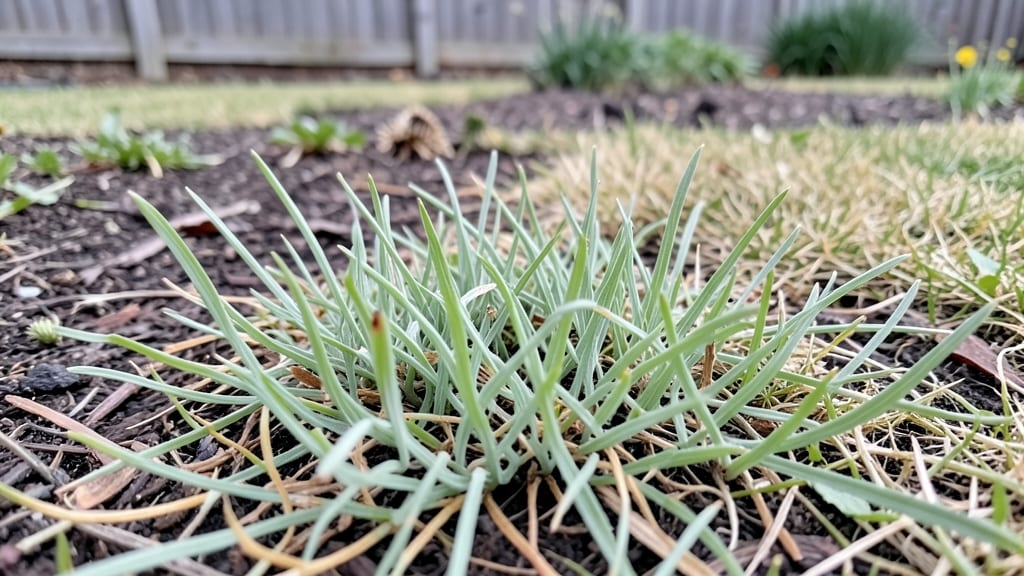
Scrolling through pictures of grass problems online can make even the most stubborn brown patches on your lawn feel less like a mystery—and more like a solvable puzzle. 🌱 I’ve stared at enough grass problems to recognize the telltale signs of drought, disease, or pests—and once you know what you’re looking at, fixing it becomes straightforward.
This guide pairs real-life photos with the exact steps to diagnose and revive your grass, no guesswork required.
The most common culprits are actually easier to spot than you think: dry spots from summer heat, fungal rings from too much moisture, or grub damage that looks like Swiss cheese.
Each problem has a distinct pattern—once you match the photo to your lawn, you’ll know whether to water differently, apply a fungicide, or aerate for better root growth. No more second-guessing what’s wrong.
You’ll walk away knowing exactly how to treat each issue—whether it’s adjusting your mower height, fixing irrigation problems, or applying targeted treatments. The goal is a lawn that stays green, thick, and healthy year-round, not just after you spend a weekend patching problems.
Let’s get your grass back to its best.
This works for any grass type, from cool-season Kentucky bluegrass to warm-season Bermuda—just match the symptoms to the solutions. No more guessing what’s killing your lawn. Here’s how to identify and fix it for good.
Root Causes Of Lawn Troubles
When your grass starts looking less than lush—whether it’s brown patches, thin spots, or uninvited weeds—it’s usually a sign that something’s off beneath the surface. Understanding why these issues pop up is the first step to fixing them.
Below, we break down the most common culprits behind grass problems, explained in simple terms with science-backed reasons.
###
🌱 Poor Soil Health: The Hidden Foundation Problem
Healthy grass needs fertile soil packed with nutrients, proper drainage, and the right pH balance. When soil falls short, your lawn suffers—often before you even notice.
- Nutrient Deficiencies: Grass thrives on nitrogen, phosphorus, and potassium (the "NPK" trio). If your soil lacks these, you’ll see yellowing blades, stunted growth, or weak roots. A soil test can reveal what’s missing—often iron, magnesium, or zinc.
- Compacted Soil: Heavy foot traffic, machinery, or clay-heavy soil compresses the top layer, cutting off oxygen and water to roots. This leads to shallow roots and stress, making grass more vulnerable to disease and drought.
- Wrong pH Levels: Most grasses prefer a pH between 6.0 and 7.0. If your soil is too acidic (<6.0) or alkaline (>7.0), nutrients become locked away, causing discoloration or poor growth. Fun fact: Lime raises pH, while sulfur lowers it.
Actionable fix: Test your soil every 2–3 years and amend it with compost, organic matter, or targeted fertilizers. Aeration (using a core aerator) can break up compaction.
###
💧 Watering Woes: Too Much or Too Little
Water is the lifeblood of grass, but too little or too much can turn your lawn into a disaster zone. Overwatering or underwatering both create ideal conditions for problems.
- Underwatering: Grass needs about 1–1.5 inches of water per week (including rain). Less than that causes wilting, brown tips, and stress, making grass prone to pests and disease. Shallow roots form, so the lawn can’t recover from dry spells.
- Overwatering: Soggy soil suffocates roots by starving them of oxygen, leading to fungal diseases like brown patch or dollar spot. It also encourages thatch buildup—a spongy layer of dead grass that blocks water and nutrients.
- Irregular Watering: Skipping watering days or using sprinklers at the wrong time (like midday) causes uneven moisture, leading to dry spots and stress.
Actionable fix: Water deeply 2–3 times per week (early morning is best) and check soil moisture with your finger—top 1–2 inches should be dry before watering again. Adjust sprinklers to avoid runoff.
###
☀️ Sunlight Struggles: Too Much or Too Little
Grass is sun-loving, but extremes—whether scorching heat or shade—can turn your lawn into a battleground. Different grass types have different sunlight needs, and ignoring this leads to weak, patchy growth.
- Excessive Sun (Heat Stress): Intense heat and drought cause grass to go dormant (turning brown or gray) to conserve water. Cool-season grasses (like Kentucky bluegrass) struggle in summer heat, while warm-season grasses (like Bermuda) may thin out in winter.
- Too Much Shade: Most lawn grasses need 4–6 hours of sunlight daily. Less than that weakens growth, encourages moss or weeds, and leads to thin, stringy blades. Shady spots often become breeding grounds for fungal issues.
- Sudden Light Changes: New trees or buildings can alter sunlight exposure, shocking established grass and causing stress.
Actionable fix: Choose the right grass type for your climate and sunlight conditions. For shady areas, consider shade-tolerant grasses like fine fescue. In hot climates, mulch or shade cloth can protect new seedlings.
###
🐜 Pests and Diseases: The Silent Invaders
Grass problems aren’t always about water or soil—they can be caused by tiny (or not-so-tiny) intruders that chew, burrow, or infect your lawn.
- Insects:
- Grubs: White, C-shaped larvae munch on roots, causing brown patches that pull up easily. Look for birds or skunks digging in your lawn—a dead giveaway!
- Chinch Bugs: These sap-sucking pests thrive in dry, sunny conditions, leaving behind yellow or brown patches with a "stunted" look.
- Armyworms: Green or brown caterpillars that devour blades, leaving behind ragged, skeletonized grass.
- Fungal Diseases:
- Rust: Orange or reddish spores on blades, often in humid conditions.
- Powdery Mildew: White, powdery coating on grass, common in shaded or crowded areas.
- Necrotic Ring Spot: Circular patches with dark rings, often caused by poor drainage or overwatering.
- Weeds: Crabgrass, dandelions, and clover don’t just look ugly—they compete with grass for water and nutrients, weakening your lawn over time.
Actionable fix: Identify pests/diseases with a magnifying glass or app (like PlantSnap). Use targeted treatments—like grubs: beneficial nematodes or milky spore—and improve lawn health to prevent reinfestation.
Most grass problems stem from a mix of these factors, so diagnosing the root cause (literally!) is key. Next up, we’ll show you how to spot these issues in pictures of grass problems and match them to fixes.
Fixing Your Lawn Step by Step
Revitalizing your grass doesn’t have to be a mystery—once you identify the problem, the right steps can bring your lawn back to life. Below are practical, actionable solutions tailored to each issue, from quick fixes to long-term care.
Follow the guide for your specific problem, and don’t forget the prevention tips to keep your lawn lush and healthy!
🌱 Overwatered or Waterlogged Grass
Signs: Yellowing patches, spongy ground, mushrooms, or a foul smell.
How to Fix It
- 🔥 Stop Watering Immediately
- Let the soil dry out before resuming watering. Walk on the grass—if it springs back, it’s not waterlogged.
- 🍳 Improve Drainage
- Aerate the lawn (rent a core aerator or use a garden fork to poke holes 3–4 inches deep).
- Add compost or sand to heavy clay soil to loosen compaction.
- Reseed bare spots once the soil is dry to encourage new growth.
- ⏰ Water Deeply but Less Often
- Water 1–1.5 inches per week (early morning is best) to encourage deep roots.
💡 Prevention Tips
- Test soil moisture with a screwdriver—if it slides in easily, you’re overwatering.
- Install French drains in low-lying areas if water pools persistently.
- Choose drought-resistant grass types (like Bermuda or Zoysia) if your area floods often.
☀️ Dry, Brown, or Crunchy Grass
Signs: Straw-like texture, footprints stay visible, grass blades turn crispy.
How to Fix It
- 👨🍳 Water Properly
- Water deeply 2–3 times per week (early morning) instead of daily shallow sprinkles.
- Use a rain gauge to measure 1–1.5 inches of water per session.
- 🥘 Overseed Thin Spots
- Rake out dead patches, spread high-quality seed, and cover lightly with straw.
- Keep soil moist until germination (7–14 days).
- 🔪 Adjust Mowing Height
- Raise your mower blade to 3–4 inches to shade roots and retain moisture.
🌡️ Prevention Tips
- Mulch clippings to return nutrients to the soil.
- Apply a light layer of compost to retain moisture.
- Water before 10 AM to reduce evaporation.
🍄 Fungal Diseases (Rust, Brown Patch, Dollar Spot)
Signs: Orange rust spots, circular brown patches, or white thread-like growth.
How to Fix It
- ✨ Improve Airflow
- Trim trees/shrubs shading the lawn and mow regularly (never remove more than ⅓ of the blade height).
- 💪 Treat with Fungicide
- Use a copper-based fungicide or baking soda spray (1 tbsp baking soda + 1 gallon water + a drop of dish soap) for mild cases.
- 🌡️ Adjust Watering Habits
- Water early morning to allow foliage to dry by evening.
- Avoid overhead sprinklers—use soaker hoses instead.
🎯 Prevention Tips
- Aerate annually to reduce thatch buildup.
- Rake up debris (leaves, clippings) to eliminate fungal food sources.
- Choose disease-resistant grass varieties (like Tall Fescue or Kentucky Bluegrass).
🐜 Pest Damage (Grubs, Chinch Bugs, Sod Webworms)
Signs: Irregular brown patches, holes in grass, or birds pecking at the lawn.
How to Fix It
- 🔪 Identify the Pest
- Dig up a small patch—grubs look like white worms; chinch bugs are tiny black insects.
- 🍳 Apply Natural or Chemical Controls
- For grubs: Use beneficial nematodes or milky spore powder.
- For chinch bugs: Apply neem oil or a pyrethrin-based insecticide.
- 🌱 Reseed Damaged Areas
- After treating, overseed and fertilize to encourage recovery.
💡 Prevention Tips
- Encourage natural predators like birds and toads by keeping a diverse lawn ecosystem.
- Aerate and top-dress with compost to strengthen grass resilience.
- Mow high to deter pests that hide in short grass.
🪴 Thatch Buildup (Spongy Layer Between Soil and Grass)
Signs: Grass pulls up easily, water runs off instead of soaking in, or a thick mat feels underfoot.
How to Fix It
- 🔪 Dethatch Properly
- Rent a vertical mower or use a thatching rake to slice through the layer (¼ inch max).
- Do not bag the thatch—leave it to decompose naturally.
- 🌱 Aerate and Overseed
- Aerate 2–3 days after dethatching, then spread seed and top with compost.
- 💪 Boost Soil Health
- Apply a slow-release nitrogen fertilizer to encourage root growth.
✨ Prevention Tips
- Mow frequently (never remove more than ⅓ of the blade) to reduce thatch accumulation.
- Aerate annually to prevent compaction.
- Avoid heavy nitrogen fertilizers—they promote thatch growth.
Pro Tip: 🌿 Test your soil (DIY kits available at garden centers) to adjust pH and nutrients before treating any issue. A healthy soil foundation is the key to a resilient lawn!
Frequently asked questions about lawn issues
How can I tell if my brown patches are from drought or grubs?
Check the roots: pull up a small patch of grass. If roots are white and healthy but the blades are brown, it’s likely drought. If you see white, C-shaped grubs or the patch pulls up easily, you’ve got grubs. Drought patches feel dry and crispy, while grub damage often has a spongy, uneven texture.
What’s the fastest way to fix fungal spots on my lawn?
Stop watering at night and improve airflow immediately. For mild cases, spray a mix of 1 tablespoon baking soda + 1 gallon water + a drop of dish soap on affected areas. For severe infections, apply a copper-based fungicide and aerate the lawn to reduce thatch buildup. Prevention is key—water early morning and avoid overhead sprinklers.
Why does my grass look fine in some spots but dead in others?
This is often a soil compaction or shade issue. Walk on your lawn—if some areas spring back and others don’t, compaction is the culprit. Check sunlight exposure: grass needs 4–6 hours of sun daily. If one area is shadier, it may struggle while others thrive. Aerate compacted spots and consider shade-tolerant grass varieties.
Can I use vinegar to kill weeds in my lawn?
Vinegar is too harsh for grass—it’ll kill both weeds and your lawn. Instead, spot-treat weeds with a vinegar + salt + dish soap mix (1:1:1 ratio) on a small area first to test. For broad weed control, use a selective herbicide or pull weeds by hand. Overseeding bare spots helps crowd out weeds naturally.
How often should I aerate my lawn to prevent problems?
Aerate once a year for most lawns, or twice if you have heavy foot traffic or clay soil. Spring or fall (when grass is actively growing) are the best times. Core aeration (removing small soil plugs) works better than spike aeration. This prevents compaction, improves water absorption, and reduces thatch buildup—all of which keep your lawn healthy.