
Plants
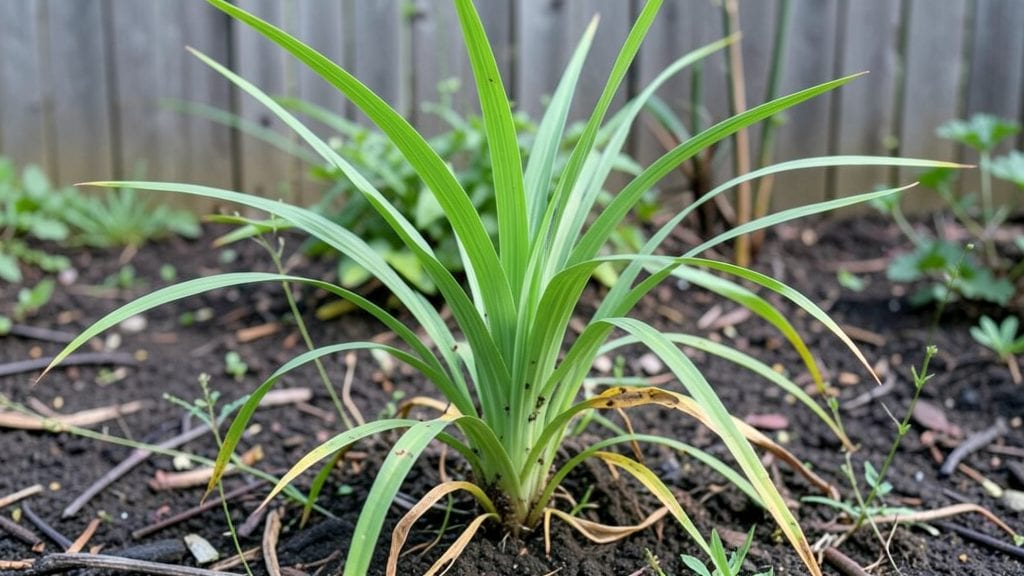
This aromatic plant's visual cues make it easy to spot once you know what to look for. 🌿 The leaves grow in fan-like clusters from a thick, woody base that's often pale or white—this sets it apart from ginger, which has stubby, knobby roots.
The hollow stems are another dead giveaway, especially when you crush them and get that unmistakable lemony aroma. Many people confuse it with citronella, but lemon grass leaves are narrower and more tapered, while citronella's are broader and more grass-like.
What's fascinating is how the plant's structure reflects its tropical origins. The segmented stems store moisture efficiently, helping it thrive in humid conditions where other herbs might struggle.
This adaptation also makes lemon grass incredibly hardy once established—it can even regrow from cuttings placed in water, making propagation simple for home gardeners.
💡 In This Article
- Key Visual Features of Lemon Grass Plants
- How to Confirm Lemon Grass vs Common Look-Alikes
Key visual features of lemon grass plants
Lemon grass leaves are the most striking feature, growing in tight, fan-like clusters from a thick, pale rhizome. Each leaf is 12-24 inches long and tapers to a sharp point, resembling a sword blade.
The edges are smooth and slightly rolled under, creating a hollow tube that channels water efficiently—an adaptation for its tropical habitat. When you run your fingers along the leaf's length, you'll feel a subtle waxy coating that helps reduce water loss in humid climates.
The stems are where lemon grass truly stands out. Unlike ginger's thick, knobby rhizomes or citronella's solid stems, lemon grass stems are hollow and segmented, with nodes every 1-2 inches. These segments contain essential oils that give the plant its signature citrus aroma when crushed.
The outer layer is light green, but near the base, you'll often see faint purple or reddish tinges—a natural sunscreen pigment that protects the plant from intense tropical sunlight.
Here's what's actually happening with the root system: Lemon grass grows from a rhizome, which is a horizontal, underground stem that stores nutrients. This root structure allows the plant to spread quickly and regenerate even if the top growth is damaged.
The rhizome itself is typically white or pale yellow, covered in fine, fibrous roots that anchor it to the soil. This is why lemon grass can regrow from small cuttings placed in water—it's not just the leaves or stems doing the work, but the entire underground network.
When comparing lemon grass to its look-alikes, the leaf shape is your best friend. Citronella leaves are broader and more grass-like, while ginger leaves are shorter and more lance-shaped. The hollow stems are another dead giveaway—no other common kitchen herb has this feature.
Even the way lemon grass grows matters: it forms tight clusters at the base, whereas ginger grows in loose, sprawling patches. The citrusy aroma is the final confirmation, but the visual differences will usually get you there first.
What most people don't realize is how the plant's structure reflects its culinary uses. The hollow stems contain the most concentrated essential oils, which is why chefs often use the lower 3-4 inches of the stalk for cooking.
The leaves, while aromatic, are tougher and less flavorful—perfect for making tea or garnishes but not ideal for direct cooking. This structural specialization is why lemon grass is so versatile in both traditional and modern cuisines.
The plant's growth habits also provide clues. Lemon grass thrives in USDA hardiness zones 9-11, where temperatures rarely drop below 20°F. In cooler climates, it's often grown as an annual or kept in pots that can be brought indoors.
The leaves continue to grow throughout the year in warm conditions, reaching their full length in about 6-8 months. This rapid growth is another adaptation to its tropical origins, where competition for sunlight is fierce.
If you're still unsure, try this simple test: Crush a leaf between your fingers. Lemon grass releases a bright, citrusy scent that's immediately recognizable—almost like a mix of lemon and mint.
This aroma comes from citral, the primary compound in lemon grass oil, which is also used in perfumes and cleaning products. 💫