
Plants
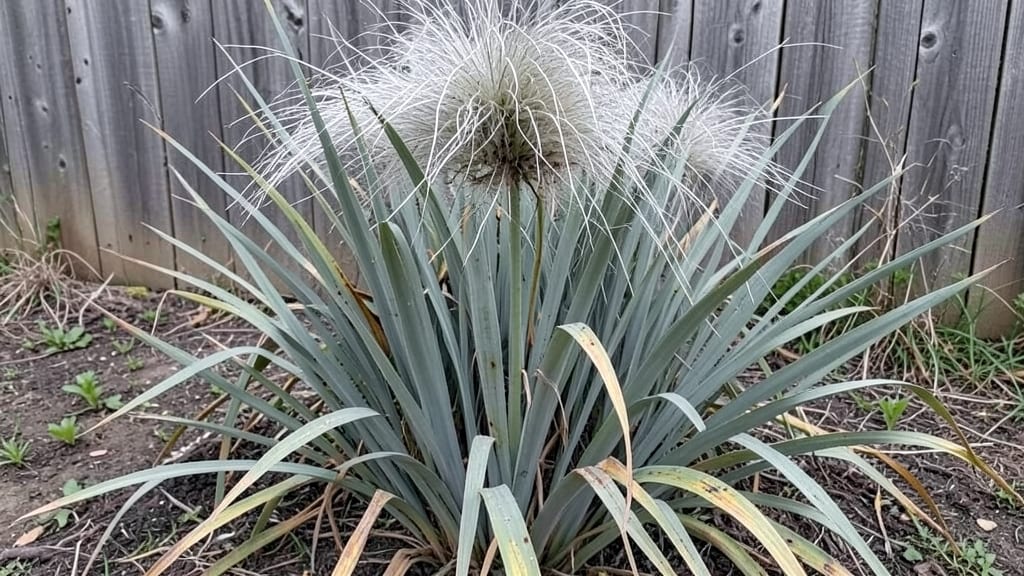
Growing a pampas grass tree 🌿 means adding a showstopper to your landscape—its feathery plumes sway dramatically in the breeze, but only if you nail the basics.
Picture this: you’ve spent hours picking the perfect spot, only to watch your pampas grass struggle through soggy soil or flop in partial shade. The difference between a lush, thriving specimen and a sad, stunted plant often comes down to just a few key steps.
From well-drained soil to full sun exposure, this drought-resistant beauty thrives with minimal fuss—but it does need the right conditions to reach its full 8-to-15-foot height. Whether you’re planting in USDA Zone 6a or warmer, timing and placement make all the difference.
In this guide, I’ll walk you through planting, pruning, and year-round care so your pampas grass tree becomes the dramatic centerpiece you’ve always wanted—without the guesswork.
How to plant pampas grass tree for maximum growth & impact
The pampas grass tree (Cortaderia selloana) thrives when planted in the right conditions, transforming your garden into a dramatic, textured landscape. This drought-resistant ornamental grass needs full sun exposure and well-draining soil to reach its full 8–15-foot height and produce those iconic fluffy plumes.
Whether you're in USDA zones 7–11, timing and placement are key to ensuring robust growth and stunning visual impact.
Before you dig, know that pampas grass is not a true tree—it's a clumping grass with woody stems. Its fast-growing nature makes it perfect for privacy screens or dramatic focal points, but improper planting can lead to weak stems or stunted plume development.
Let’s break down the step-by-step process to plant your pampas grass tree for maximum beauty and longevity.
Select a sun-drenched spot with 6+ hours of direct sunlight daily. Partial shade reduces plume production and weakens stems. Avoid low-lying areas where water pools, as pampas grass hates soggy roots.
Pampas grass prefers sandy or loamy soil with good drainage. Test your soil’s pH—ideal range is 6.0–7.5. If your soil is clay-heavy, mix in compost or sand to improve aeration. Avoid amending with organic matter if your soil is already rich.
Dig a hole twice as wide as the root ball but only as deep. This prevents root suffocation and encourages outward growth. For mature plants, space them 6–10 feet apart to allow for their sprawling habit and prevent overcrowding.
Plant in late spring or early summer after the last frost in your USDA zone. In zones 7–9, aim for May–June; in zones 10–11, spring planting works year-round. Avoid planting in fall or winter, as cold stress can stunt growth.
Place the plant so the top of the root ball is level with the soil surface. Backfill with native soil, tamping gently to remove air pockets. Water thoroughly to settle the roots and eliminate gaps. Avoid compacting the soil too firmly, as this restricts root expansion.
Spread a 2–3-inch layer of mulch around the base (keep it 6 inches away from the stem to prevent rot). Use organic mulch like pine straw or wood chips. For the first year, apply a balanced fertilizer (5-10-10) lightly in early spring to encourage strong root development.
Water deep
Once your pampas grass tree is planted, consistent care ensures those signature feathery plumes stay lush and vibrant. Unlike many ornamental grasses, this drought-tolerant beauty thrives on minimal intervention—but timing is everything. Overwatering in the wrong season or skipping pruning can leave your plant looking leggy or sparse, while proper techniques unlock its full 8-to-15-foot stature. My first-year plants need regular watering to establish deep roots, but by year two, they’ll handle bi-weekly soakings like a pro. The key is balancing moisture with airflow—too much water smothers roots, while too little stunts those showstopping plumes. Let’s dive into the seasonal care routine that keeps your pampas grass thriving year-round. ⚠️ CAUTION: Common Mistakes That Stunt Growth ⚠️
For watering schedules, think of your pampas grass like a desert cactus—it’s built for drought once established. During the first growing season, water deeply once a week to encourage root growth. Use your finger to check soil moisture: if the top 2 inches feel dry, it’s time to water. In summer heat, switch to bi-weekly deep soakings—this prevents shallow roots and floppy stems. Pruning isn’t just about tidying up—it’s about controlling shape and bloom production. After plumes turn brown in late fall or early winter, cut them back to 1/3 of their height using clean, sharp pruners. This removes dead growth and encourages fresh plumes in spring. Avoid pruning in spring—you’ll cut off next year’s blooms! For overgrown specimens, thin out the oldest stems at the base to improve airflow and reduce disease risk. Winter protection is critical in USDA Zones 6-8, where frost can damage tender new growth. After the first hard freeze, wrap the base with burlap or use a thick layer of mulch (3-4 inches). In Zone 6a, consider adding a lightweight frost cloth over the crown if temps drop below 15°F. Never prune in winter—wait until spring to assess damage and trim back any dead stems. One of my biggest lessons? Patience pays off. A well-cared-for pampas grass tree can live for decades, rewarding you with year-round structure and seasonal drama. With the right watering balance, timely pruning, and winter prep, your plant will become the landscape centerpiece you’ve dreamed of—without the high-maintenance hassle.Pampas grass tree care: watering, pruning & winter protection tips