
Plants
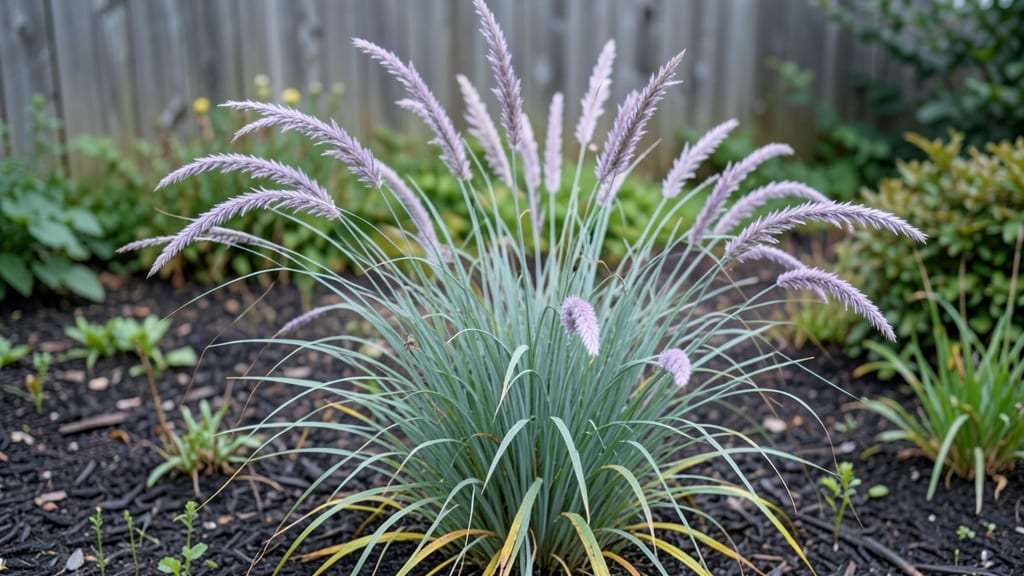
Transforming your garden with purple pampas grass 🌿 means adding a dramatic, year-round statement that no other plant can match.
Imagine a plant that transforms your landscape into a breathtaking winter wonderland—even when everything else is dormant. Pampas grass purple (Cortaderia selloana) delivers exactly that, with its striking silver-purple plumes that sway dramatically in the breeze.
What makes this grass so special is its ability to thrive in full sun while demanding minimal care. Whether you're looking to create a bold focal point or soften a mixed border, its tall, feathery plumes bring texture and movement to any design.
In this guide, I’ll show you how to pair it with complementary plants, where to place it for maximum impact, and the simple maintenance tricks to keep it looking stunning all season long.
How to grow and care for purple pampas grass in any climate
Purple pampas grass (Cortaderia selloana) is one of the most dramatic ornamental grasses you can grow, offering silver-purple plumes that add texture and movement to any landscape.
Unlike many plants that fade in winter, this cold-hardy perennial thrives in USDA zones 7-11, making it perfect for both warm climates and cooler regions. Whether you're planting in a sun-drenched border or a windy coastal garden, understanding its care needs is key to unlocking its full potential.
This drought-tolerant grass requires minimal maintenance once established, but getting it right from the start ensures vibrant plumes and healthy growth. From well-draining soil to seasonal pruning, I’ll walk you through every step to keep your pampas grass looking stunning year after year.
Let’s dive into the essentials so you can enjoy its winter interest and year-round beauty with confidence.
One of the first decisions you’ll make is where to plant your purple pampas grass. Since it thrives in full sun, choose a location that receives at least 6 hours of direct sunlight daily.
If you’re in a cooler climate (Zone 7), position it where it gets morning sun and afternoon shade to prevent winter burn. In warmer zones (8-11), it can handle intense afternoon sun without issues, making it ideal for southern exposures or coastal gardens where wind is a factor.
When it comes to soil, purple pampas grass is not picky, but it hates soggy roots. Amend heavy clay soil with compost or sand to improve drainage.
If your soil is sandy or loamy, you can plant directly without amendments, though adding a 2-inch layer of mulch helps retain moisture and suppress weeds. Avoid planting in low-lying areas where water pools, as this can lead to root rot and stunted growth.
The watering schedule for purple pampas grass is simple once established: deep but infrequent. For the first year, water weekly to encourage root growth, especially during hot, dry spells.
After that, reduce to bi-weekly watering—this grass is drought-tolerant and stores moisture efficiently. In winter, cut back to
Top 5 purple pampas grass varieties for stunning landscapes
If you're dreaming of dramatic, low-maintenance plants that add year-round texture to your garden, purple pampas grass is your answer. These ornamental grasses offer silver-purple plumes that sway elegantly in the wind, creating movement and visual interest.
But not all varieties are created equal—some thrive in coastal climates, while others handle harsh winters with ease.
The right variety can transform your landscape design, whether you need a tall privacy screen, a drought-tolerant border plant, or a winter interest focal point. Below, I’ve compared the top 5 purple pampas grass cultivars to help you choose the perfect fit for your space.
Comparison Table: Below is a detailed breakdown of each variety’s plume color, mature height, hardiness zone, and ideal landscaping use.
'Purpureum' is the classic choice for bold, dramatic plumes in deep purple. It’s perfect for large gardens where you want to make a statement, and it thrives in USDA zones 6-10. This variety is drought-tolerant once established, making it ideal for low-water landscapes.
'Sunningdale' stands out with its silver-pink plumes, which add a softer contrast to coastal gardens. It’s slightly taller than 'Purpureum' and handles salt spray well, making it a top pick for beachside properties. Plant it near lavender or rosemary for a Mediterranean vibe.
'Silver Frost' is my go-to for compact spaces. Its pale lavender plumes reach only 4-6 feet, making it perfect for small gardens or containers.
It’s also more cold-hardy than other varieties, thriving in zones 5-9. Pair it with dwarf conifers or succulents for a modern, minimalist look.
For a whimsical touch, 'Alba' offers pure white plumes that create a striking contrast against purple or blue flowers. This variety is ideal for large borders or as a backdrop for perennials. Its tall stature (8-12 ft) makes it a privacy screen powerhouse.
Lastly, 'Baby Blue' is the smallest and most versatile option. With soft blue-gray plumes, it’s perfect for rock gardens or alpine beds. Its 3-5 ft height fits neatly into tight spaces while still adding textural interest. Try pairing it with sedum or ornamental grasses for