
Planting
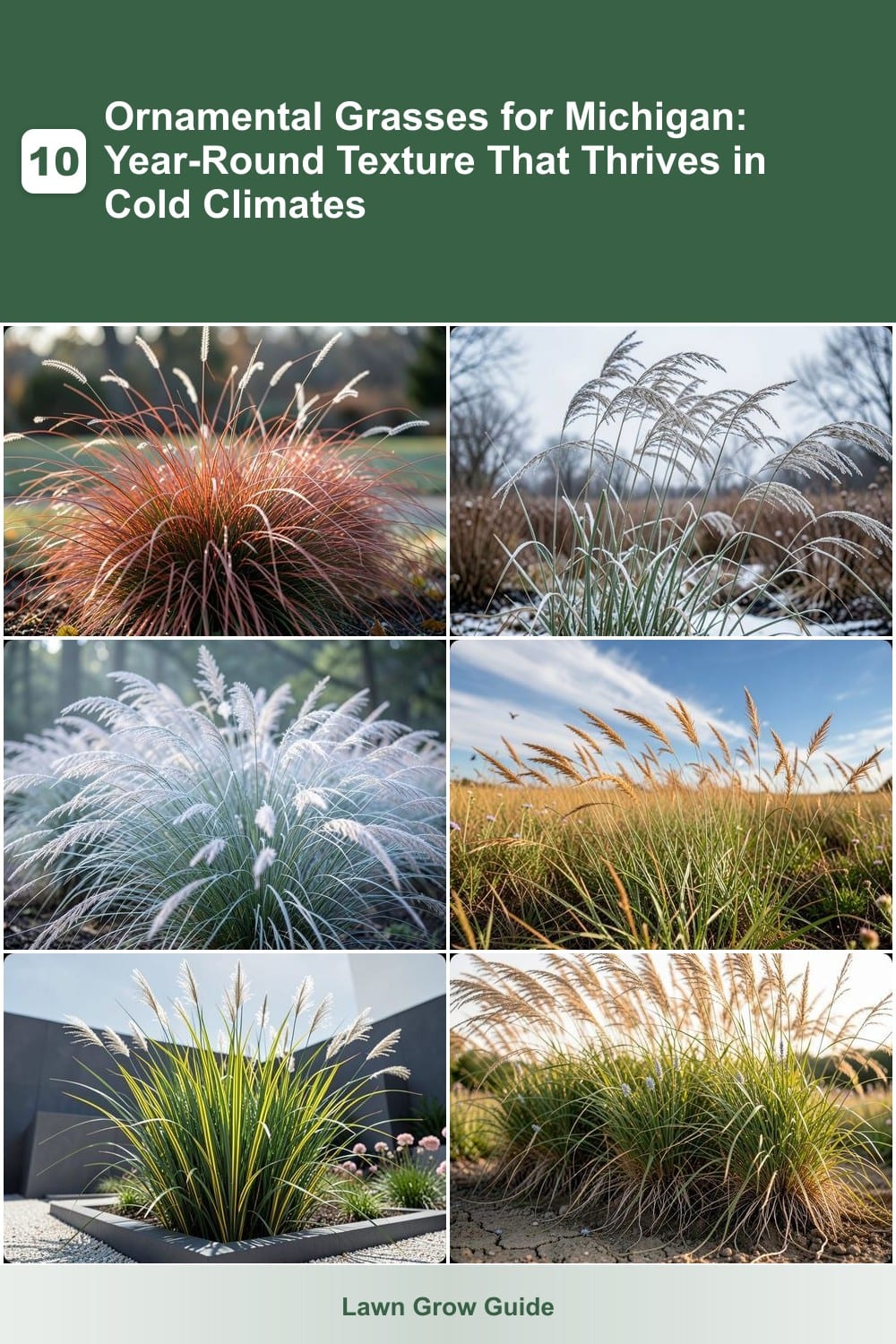
Michigan’s cold winters and variable weather don’t have to limit your garden’s beauty. These 10 hardy ornamental grasses deliver striking texture, seasonal interest, and minimal upkeep—perfect for adding structure to landscapes year-round.
Little Bluestem for Autumn Foliage
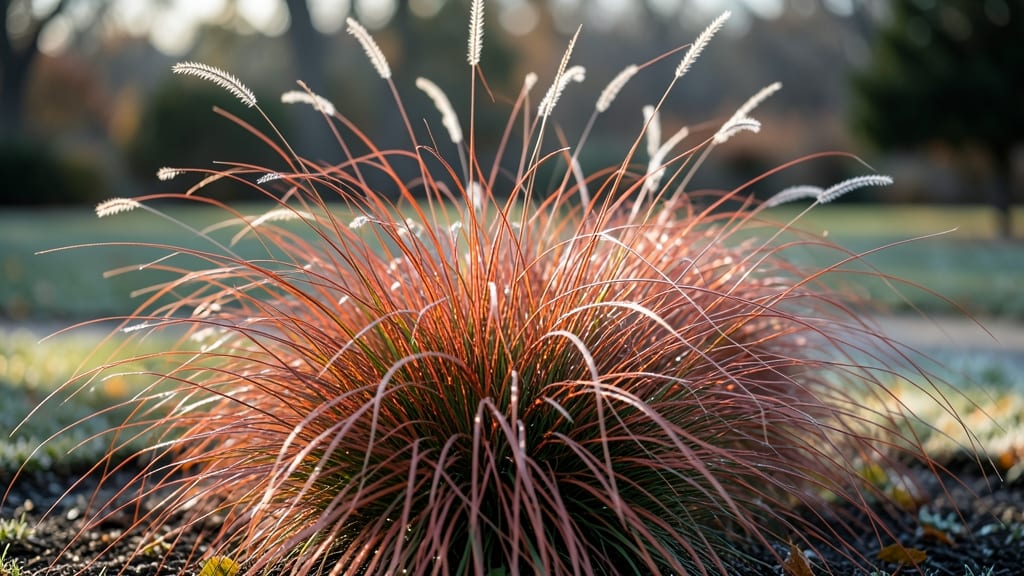
Skip the high-maintenance annuals—Little Bluestem (Schizachyrium scoparium) turns Michigan gardens into fiery autumn masterpieces with almost no effort. This native grass transforms from blue-green blades in summer to a stunning copper-red hue in fall, lasting well into winter.
Plant it in full sun to part shade where other plants struggle—it thrives in poor, rocky soil and needs zero fertilizer. Pollinators adore its late-summer seed heads, making it a dual-purpose star for prairie-style plantings. Simply cut back stems in early spring for a clean look.
Perfect for beginners or busy gardeners, this Michigan-native grass requires no watering once established and spreads slowly to fill spaces naturally. 🌻
Feather Reed Grass for Winter Drama
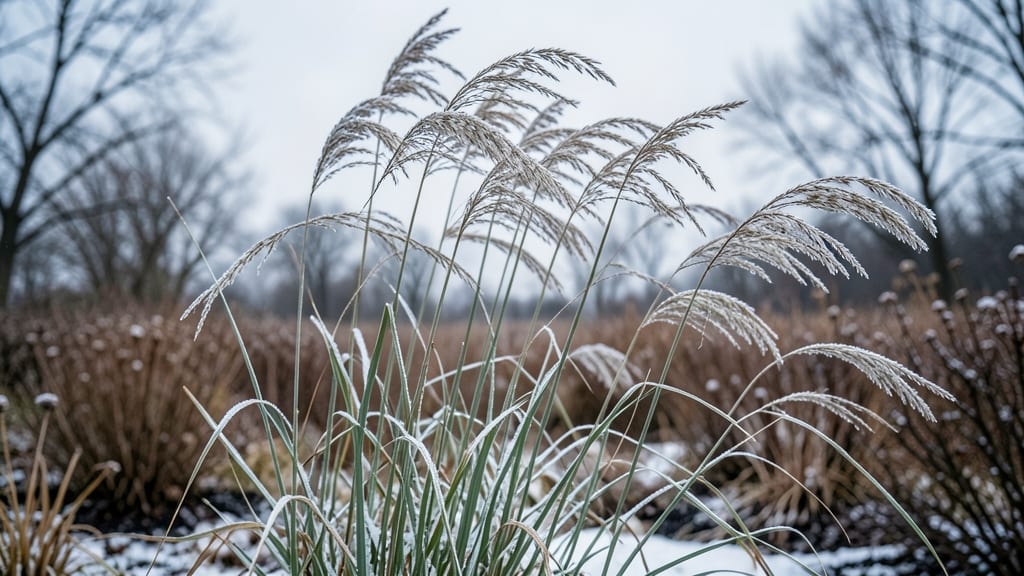
When your garden looks bare after the first frost, feather reed grass (Calamagrostis acutiflora) stands tall as a dramatic winter statement. This 6-8 foot architectural giant defies Michigan’s harshest conditions, holding its snow-dusted seed plumes upright through storms—creating a striking focal point that most plants can’t match.
Plant it in full sun to partial shade where it can dominate borders or modern landscapes. Once established, it’s drought-tolerant and thrives in average soil, though it appreciates well-draining conditions. For best results, cut back old foliage in early spring before new growth emerges—this keeps the plant healthy and encourages those iconic seed heads.
This grass is ideal for gardeners who want year-round structure without the fuss of pruning or staking. Its bold presence works equally well in minimalist modern gardens or cottage-style beds, making it a versatile choice for any Michigan landscape. 🌟
Japanese Silver Grass for Delicate Elegance
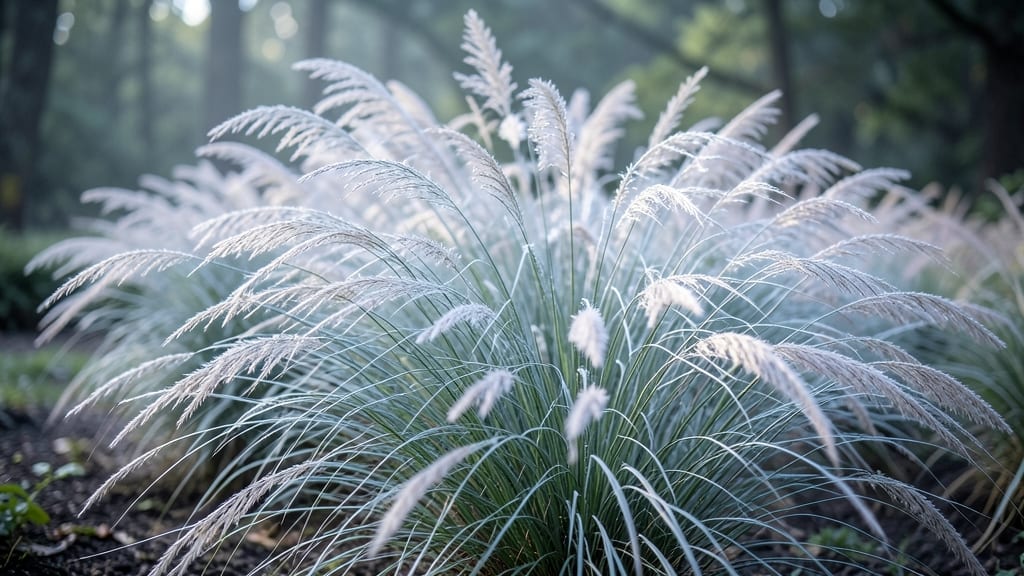
If your garden craves softness where other grasses feel too bold, Japanese Silver Grass (Miscanthus sinensis 'Silver Feather') is your answer. Its silvery-blue foliage shimmers like moonlight through leaves, creating a dreamy contrast in shade gardens where most grasses struggle.
This humidity-loving grass thrives in Michigan’s damp summers and tolerates wet soil better than 90% of ornamental grasses—making it perfect for rain gardens or container plantings near downspouts. It grows 3-4 feet tall with delicate, arching plumes that catch light beautifully in partial shade. For best results, plant in well-draining soil (even if moist) and prune back in early spring to maintain its elegant form.
Urban gardeners and shade-lovers will adore how this grass softens hard edges while requiring zero fuss—no staking, no division for years, and it even blooms with airy white flowers in late summer. 🌿
Prairie Dropseed for Pollinator Support
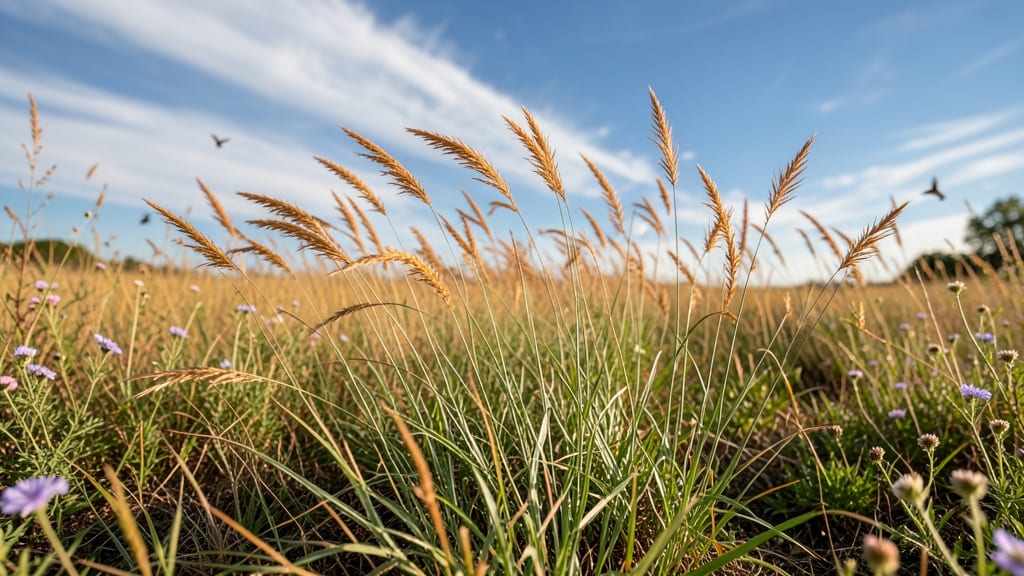
If you want a pollinator magnet that doubles as a fragrant, low-maintenance ground cover, prairie dropseed (Sporobolus heterolepis) is your answer. This native Michigan grass bursts into golden blooms in late summer, releasing a subtle vanilla scent that draws butterflies, bees, and hummingbirds while repelling deer.
Growing just 12-24 inches tall, it thrives in full sun to partial shade and handles Michigan’s dry spells with ease—no extra watering needed once established. Plant it in meadows, rain gardens, or as a living mulch between perennials to suppress weeds naturally. Its airy seed heads add texture through winter before dying back neatly.
Perfect for beginner gardeners or those restoring native habitats, prairie dropseed delivers year-round benefits without the upkeep of high-maintenance plants. 🌻
Miscanthus Zebrinus for Striped Contrast
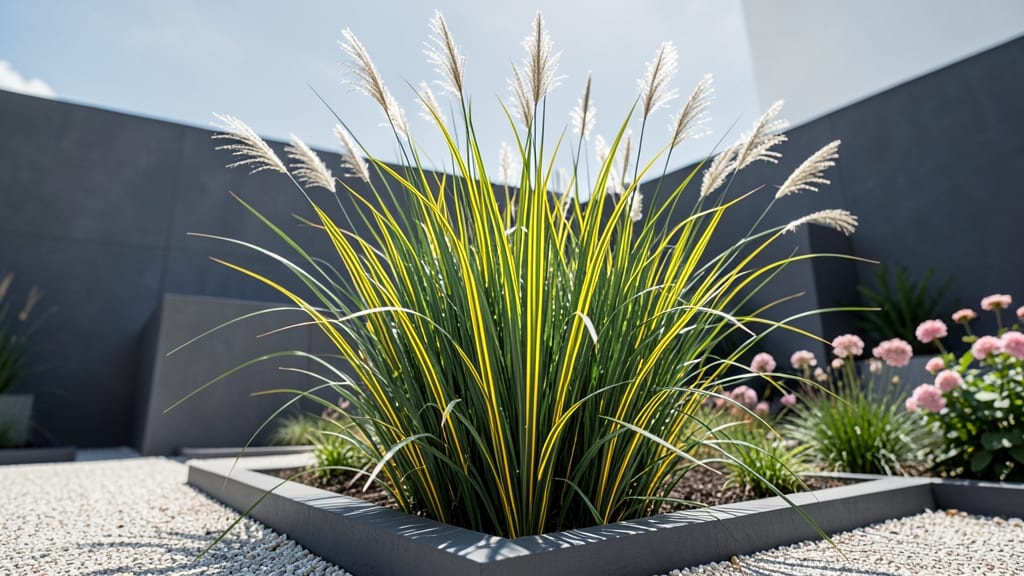
Want to inject bold visual drama into your contemporary garden without the fuss? Miscanthus zebrinus delivers eye-catching vertical yellow-and-green stripes that stand out like a modern art installation—no painting required. This grass thrives in full sun and handles Michigan’s winters with ease, down to Zone 4, making it a standout for cold climates.
Reaching 4-6 feet tall, its architectural form creates striking contrast against dark foliage or sleek hardscapes. Unlike many grasses, it requires minimal division—only every 3-4 years—and tolerates poor soil once established. For best results, plant in clusters of 3-5 for maximum impact, and cut back old foliage in early spring to encourage fresh, striped growth.
Perfect for urban gardeners or modern landscape designers, this grass adds year-round structure with almost no maintenance. Its bold stripes make it a conversation starter that pairs beautifully with minimalist plantings or contemporary architecture. 💡
Switchgrass for Native Prairie Restoration
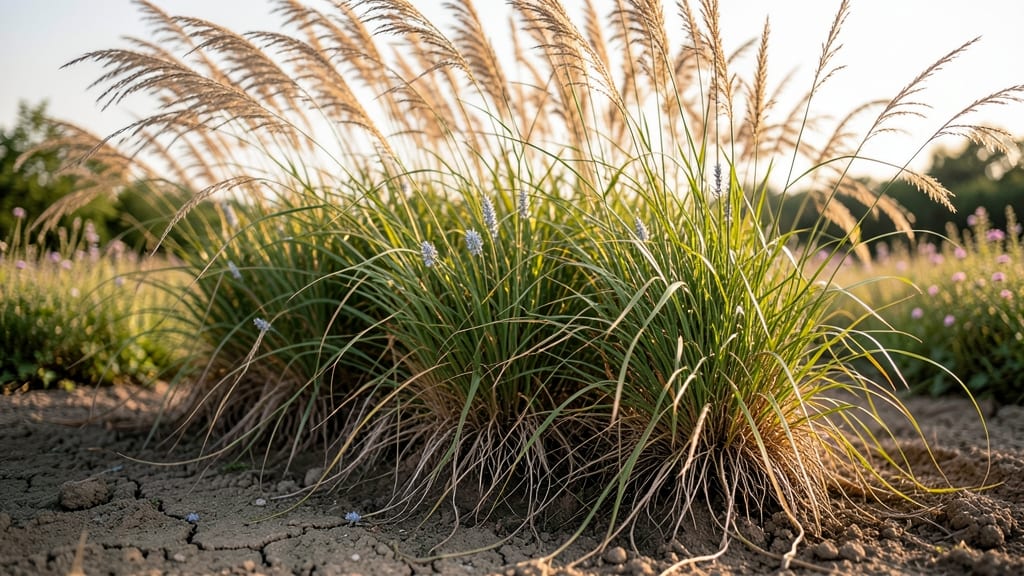
Looking to revive degraded soil or create a low-maintenance native ecosystem? Switchgrass (Panicum virgatum) is Michigan’s unsung hero for prairie restoration, with roots that reach 6-12 feet deep—far beyond most ornamental grasses. Its ability to thrive in compacted, nutrient-poor, or even seasonally flooded soils makes it ideal for rain gardens or erosion-prone sites.
This perennial grass produces airy, upright seed heads that add winter structure, while its clumping habit prevents spreading. Plant in full sun to partial shade and water occasionally after establishment—it’s drought-tolerant once rooted. For ecological gardens, Switchgrass supports native pollinators and birds, offering year-round benefits beyond aesthetics.
Perfect for land stewards, urban rewilding projects, or anyone seeking a self-sustaining addition to their landscape. 🌻
Maiden Grass for Graceful Movement
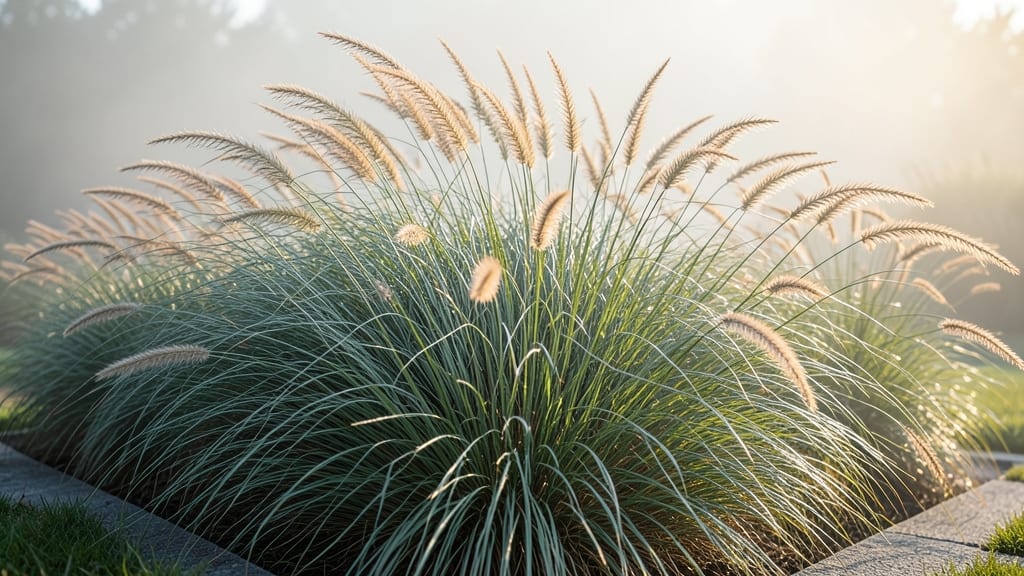
Want a grass that dances with the wind while adding movement to your garden? Maiden Grass (Miscanthus sinensis) brings a soft, arching elegance that other ornamental grasses can’t match—its feathery plumes sway gently in even the lightest breeze, creating a mesmerizing visual effect.
This Zone 5-hardy beauty thrives in full sun to partial shade and handles Michigan’s humidity and occasional drought once established. Plant it near borders, water features, or along pathways where its graceful arcs will catch the light and draw the eye. For best results, cut back old foliage in late winter before new growth emerges—this keeps the plant tidy while encouraging those iconic seed plumes that persist into winter.
Perfect for gardeners who love textural contrast without high maintenance, Maiden Grass pairs beautifully with perennials like coneflowers or hostas. Its winter interest makes it a standout for those who want year-round beauty with minimal effort. 🌿
Blue Fescue for Compact Borders
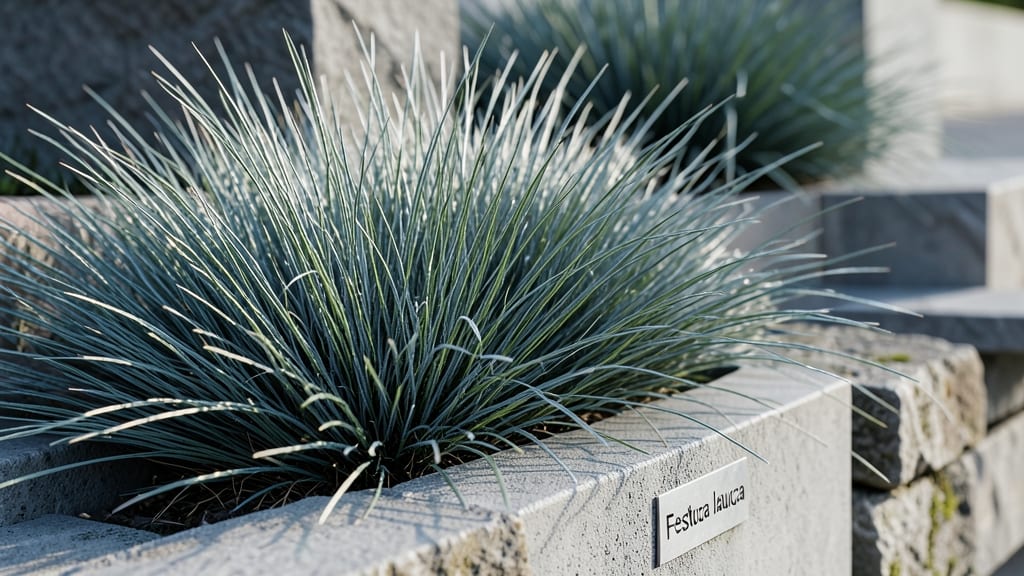
For gardeners craving bold color without the bulk, Blue Fescue (Festuca glauca) delivers steel-blue tufts that pop against gray stones, dark foliage, or even concrete—ideal for modern rock gardens or containers where space is tight. Unlike its taller cousins, this dwarf ornamental grass stays compact (just 6–12 inches tall) and forms dense, mounding clumps that never flop or need support.
Plant it in dry shade to full sun, where most grasses struggle—it thrives in poor, rocky soil and tolerates drought once established. For best results, shear back by one-third in early spring to encourage bushier growth. Its evergreen foliage adds winter interest, while its airy seed heads in late summer provide subtle texture without overwhelming the scene.
Perfect for urban balconies, Zen gardens, or minimalist landscapes, Blue Fescue requires zero staking and pairs beautifully with succulents, lavender, or ornamental sedums. It’s the ultimate low-maintenance star for small spaces craving high impact. 💡
Purple Moor Grass for Wet Areas
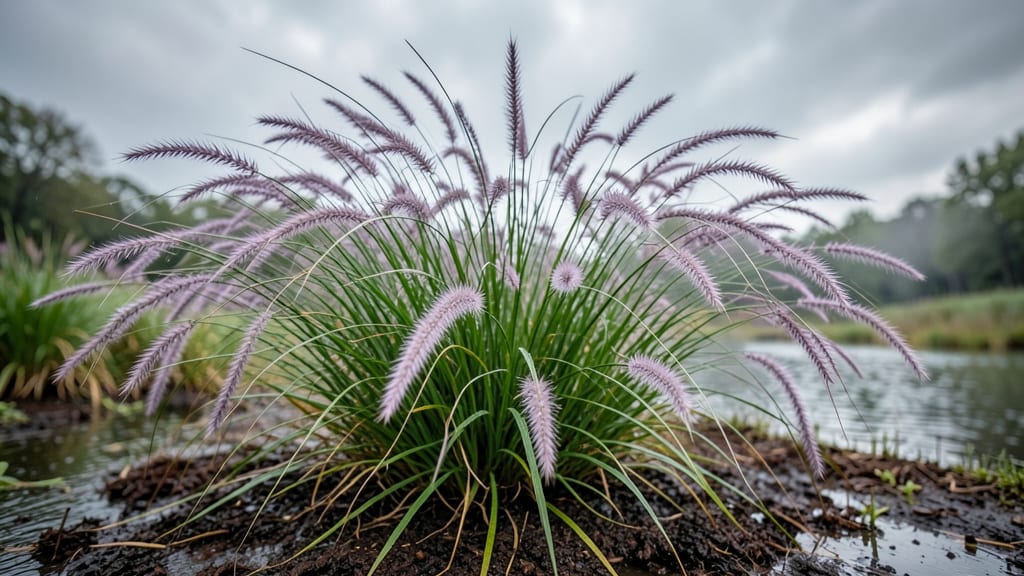
Turn soggy spots into stunning focal points with Purple Moor Grass, a hardy ornamental grass that thrives where others drown. This low-maintenance beauty loves wet soil, making it perfect for rain gardens, pond edges, or even those pesky low spots in your yard that never dry out.
Its lavender flower spikes rise above deep purple foliage in late summer, adding a soft yet striking contrast to water features or shade gardens. Unlike many grasses, it maintains its color and structure even during Michigan’s shortest daylight hours, ensuring year-round interest. Simply cut back in early spring to encourage fresh growth—no fuss, just beauty.
Ideal for gardeners with wet soil challenges, Purple Moor Grass also attracts pollinators and adds texture to containers or borders. It’s the secret weapon for transforming problem areas into lush, living art. ✨
Dwarf Mondo Grass for Ground Cover
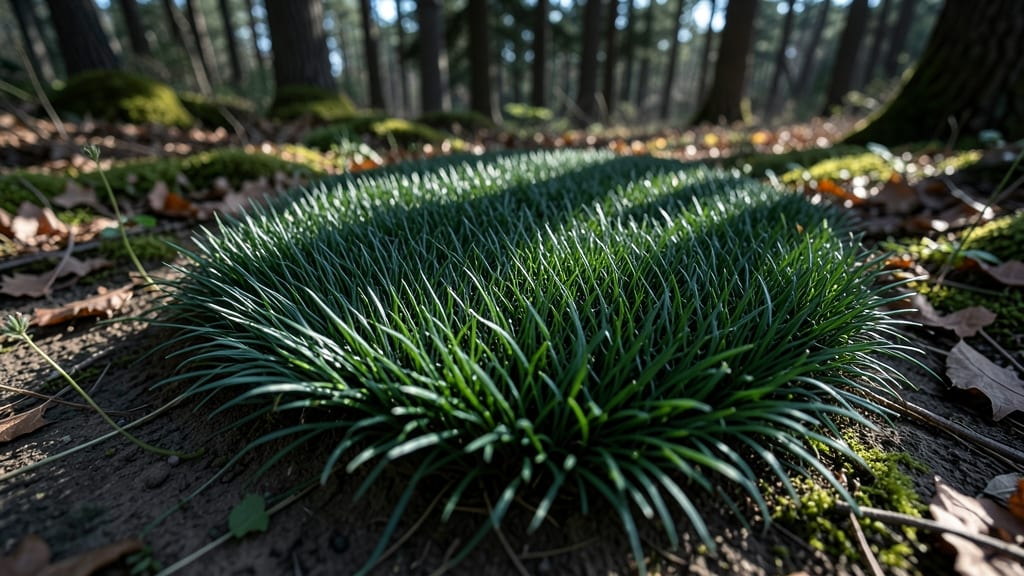
Tired of battling weeds and mowing in shady spots? Dwarf Mondo Grass (Ophiopogon japonicus ‘Nana’) creates a lush, evergreen carpet that outcompetes weeds while requiring zero lawn care—ideal for Michigan’s Zone 5 winters. This low-growing stunner thrives in deep shade where most grasses fail, forming a dense mat just 3–6 inches tall.
Plant it in moist, well-draining soil under trees or along foundations—it spreads slowly to fill gaps without invading other beds. Unlike lawns, it never needs mowing, fertilizing, or reseeding, and its dark green leaves stay vibrant all year. For best results, divide clumps every 3–4 years to maintain vigor.
Perfect for urban gardeners, shade lovers, and eco-conscious landscapers, this grass eliminates the drudgery of lawn maintenance while adding a polished, professional look to any garden. 💚