
Plants
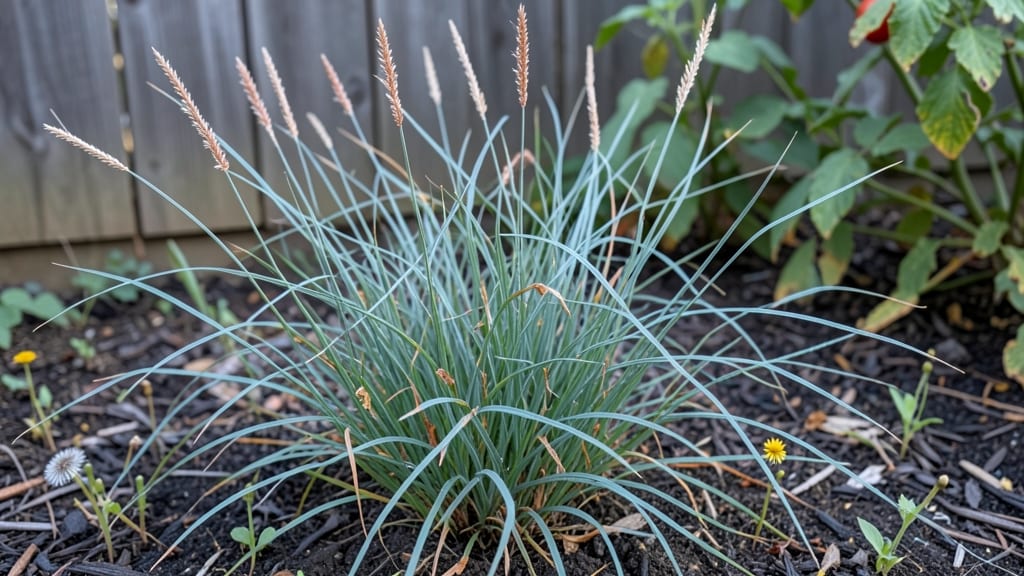
Little bluestem ornamental grass turns your garden into a year-round masterpiece with almost no effort.
If you're dreaming of a low-maintenance garden that thrives on neglect and still delivers stunning visuals year-round, this drought-resistant powerhouse could be your perfect solution. From fiery fall hues to silvery winter textures, 🌿 little bluestem transforms with seasons—all while asking for almost no care.
This versatile grass thrives in zone 6a and beyond, making it ideal for borders, prairies, or mixed perennial beds. Its medium height (1-3 feet) fits perfectly in any landscape design, offering texture and movement without overwhelming your space.
Discover how to plant, care for, and style this easy-to-grow grass to create a garden that stays beautiful with minimal work. From spring planting to winter interest, we’ll cover everything you need for a stunning, low-maintenance landscape.
Little bluestem ornamental grass: growing conditions and plant care essentials
Little bluestem (Schizachyrium scoparium) is one of nature's most resilient and visually stunning ornamental grasses, offering year-round interest with minimal care. Native to North America, this drought-tolerant grass thrives in harsh conditions while delivering vibrant fall colors and striking winter textures.
Whether you're designing a prairie-style garden or adding texture to a modern landscape, little bluestem is a versatile choice that rewards patience with bold visual impact.
Its ability to adapt to poor soils and dry climates makes it ideal for gardeners seeking low-maintenance plants. From sun-scorched slopes to urban courtyards, little bluestem holds its own while providing seasonal color shifts from blue-green foliage to fiery reds and purples in autumn.
With the right planting conditions and basic care, you'll enjoy this ornamental grass for decades with almost no effort.
⚠️ SUMMARY TABLE ⚠️
| Growing Condition | Specification | Notes |
|---|---|---|
| Sunlight Needs | Full sun (6+ hours) | Tolerates partial sun but may lose fall color intensity. |
| Soil Type | Well-draining, clay to sandy | Adapts to poor soils and alkaline conditions. |
| Water Requirements | Low (drought-tolerant) | Deep watering every 2-3 weeks in established plants. |
| Mature Height | 2-3 feet | Spreads 18-24 inches wide; clumping habit. |
| Hardiness Zones | USDA Zones 3-9 | Survives winter dieback and regrows spring. |
| Best Planting Time | Spring or early fall | Avoid summer heat when transplanting. |
| Fertilizer Needs | Minimal (optional) | Light 10-10-10 in early spring for new growth. |
One of the biggest advantages of little bluestem is its adaptability to sunlight. While it thrives in full sun conditions (6+ hours daily), it can also tolerate partial shade, though you may notice duller foliage and less vibrant fall colors.
For the most dramatic results, place your plants in south-facing locations where they'll receive unfiltered sunlight. This sun exposure is crucial for developing the deep red and purple hues that make little bluestem so prized in autumn landscapes.
When it comes to soil preferences, little bluestem is remarkably flexible. It grows well in clay soils, sandy loams, and even rocky terrain, making it perfect for urban gardens or reclaimed landscapes.
While it prefers well-draining soil, it can handle occasional waterlogged conditions better than many ornamental grasses. To improve drainage in heavy soils, consider amending with compost or coarse sand before planting. This soil prep ensures strong root development and healthier growth overall.
The watering needs of little bluestem are another reason it's favored by low-maintenance gardeners. Once established (after the first growing season), this drought-tolerant grass requires minimal irrigation.
During the first year, water deeply once a week to encourage root growth, but reduce frequency to every 2-3 weeks once mature. In extreme drought, you may need to water monthly, but even then, little bluestem will bounce back with surprising resilience.
Overwatering is the real risk—it can lead to root rot or fungal diseases, so always let the soil dry out between waterings.
Seasonal care for little bluestem is surprisingly simple. In spring, remove any dead foliage from winter to make room for new growth, but avoid cutting back tall seed heads until late winter—these provide winter interest and food for birds.
Apply a light fertilizer in early spring if your soil is particularly poor, but
How to use little bluestem for stunning year-round landscaping designs
Little bluestem isn't just a drought-tolerant workhorse—it's a landscape designer's dream for adding texture, movement, and seasonal color with minimal effort. Its arching seed heads and warm fall hues create visual drama, while its silvery winter stems provide winter interest.
Whether you're designing a prairie-style garden or a modern minimalist space, this ornamental grass delivers year-round appeal.
One of my favorite design tricks is using little bluestem as a natural border along pathways or garden edges. Its clumping habit creates a soft, flowing edge that contrasts beautifully with structured hedges or formal perennials.
In my own garden, I planted it alongside black-eyed Susans and coneflowers to create a wildflower-meets-grassland effect that thrives on neglect.
Creative Ways to Style Little Bluestem
- 🌿 Mass Plantings: Group 5-7 plants together for a bold, prairie-inspired statement. Pair with switchgrass or muhly grass for height variation.
- 🌿 Drought-Tolerant Borders: Line walkways or patios with 18-inch spacing for a low-maintenance edge. Combine with lavender or Russian sage for fragrance.
- 🌿 Winter Interest Gardens: Plant near ornamental grasses like feather reed grass or maiden grass to create a textural winter tableau.
- 🌿 Container Gardens: Use dwarf varieties in large pots with sedum or yucca for a modern, urban-friendly look.
- 🌿 Mixed Perennial Beds: Tuck into beds with black-eyed Susans, cone flowers, or salvias for seasonal color contrast.
- 🌿 Erosion Control: Plant on slopes or banks where its deep roots stabilize soil and prevent runoff.
For a high-impact, low-effort design, try creating a monochromatic grass garden using little bluestem alongside blue fescue and pink muhly grass. The color variations—from blue-green to fiery red—will shift with the seasons, giving you a dynamic yet cohesive look.
I love adding stone accents or wood chips to tie the space together without overwhelming the natural beauty of the grasses.
In drought-prone areas, little bluestem shines as a water-saving superstar. Pair it with succulents like sedum or sempervivum to create a xeric garden that thrives with minimal irrigation. The arching seed heads add movement to the stillness of succulents, creating a textural contrast that’s both functional and beautiful.
Don’t overlook little bluestem’s winter appeal—its silvery stems and persistent seed heads provide structure when other plants fade. I often plant it near evergreen shrubs like dwarf junipers or boxwoods to add height and seasonal interest without requiring winter care.
A light dusting of snow on the arching blades creates a whimsical, fairy-tale-like effect.
Pro tip: For a modern, sculptural look, shear back 1/3 of the plant in early spring to encourage denser growth and tighter clumps. This works especially well for container plantings or formal garden edges.
Just avoid cutting into the old stems too late in the season—you’ll miss out on those showstopping fall colors!