
Pruning
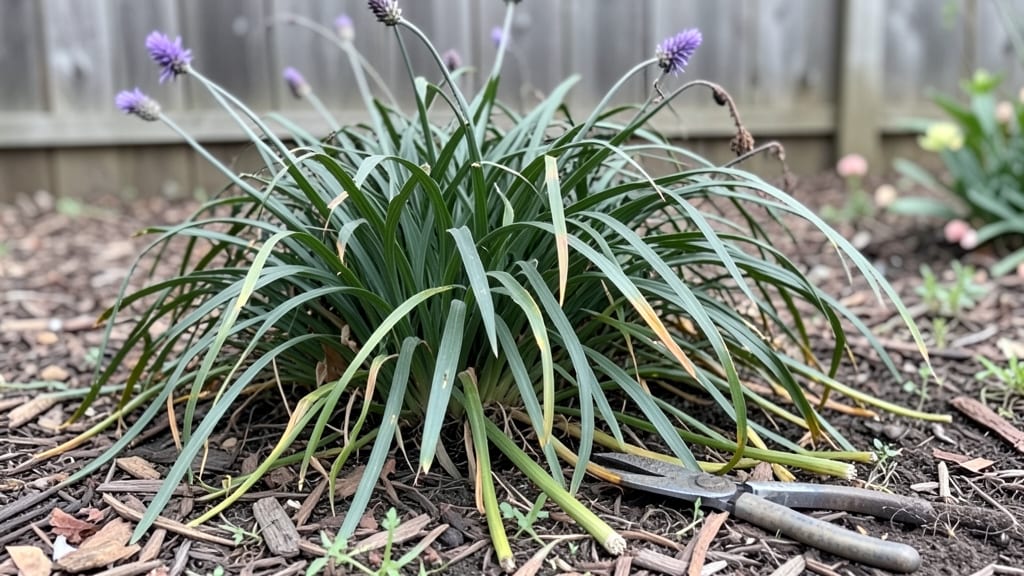
Cutting back monkey grass transforms it from scraggly to shockingly lush in just 10 minutes. I’ve learned the hard way that waiting too long turns those neat clumps into tangled messes—so I now prune mine twice a year, and the difference is night and day.
The key isn’t shearing it like a hedge but trimming the old leaves at the base to make room for fresh growth.
You only need a sharp pair of pruners or even clean scissors to cut back the dead foliage. Wear gloves if you’re picky about dirt under your nails—this grass gets dusty.
The best time is late winter or early spring, but if your grass looks ragged, a quick cleanup in summer won’t hurt. Just avoid cutting into the green centers, where next year’s growth hides.
After trimming, your monkey grass will bounce back with denser, brighter foliage and fewer weeds sneaking in. The roots stay healthy, and you’ll notice new shoots pushing through within weeks. It’s that simple: less work now means a cleaner, fuller look all season long.
For those in warmer climates, a light trim in fall can prevent winter burn. And if you’re growing it as an edging plant, keep the height consistent—just 12–18 inches tall—to maintain that crisp, manicured look. No fuss, just results.
📚 In This Guide
- What you need
- Instructions
- Tips and common mistakes
- Wrapping up and next steps
What you need
- ● Pruning shears or hedge clippers: Bypass pruners (for smaller clumps or fine trimming) – 1 pair
- ● Heavy-duty hedge clippers (for larger patches or thick growth) – 1 pair
- ● Garden gloves: Durable, cut-resistant (e.g., nitrile-coated) – 1 pair 🧤
- ○ Garden kneeler or stool: For comfort while working close to the ground – 1 (optional but helpful)
- ○ Rake or leaf blower: To clear debris after trimming – 1 (optional)
- ● Garden twine or string: For marking sections if pruning in stages – 1 small roll
- ● Pruning saw: For stubborn, woody stems (rare in monkey grass but useful for overgrown clumps).
- ● Disinfectant (rubbing alcohol or bleach solution): To wipe down tools between cuts and prevent disease spread.
- ● Compost bin or bag: To collect clippings for mulch or disposal.
- ● Water spray bottle: To mist tools and reduce dust while cutting.
Instructions for trimming monkey grass for a neat, year-round look
Here’s how to keep your monkey grass lush and tidy with just a few simple cuts—no heavy pruning required.
Wait Until New Growth Appears
Don’t rush to trim in early spring. Instead, wait until you see new shoots emerging from the base—usually in late spring or early summer—before making any cuts. These fresh growth points are your signal that the plant is ready for shaping.
If you cut too early, you risk removing the new growth entirely. I like to wait until the new leaves are about 2-3 inches tall before pruning. This ensures the plant has enough energy to regenerate quickly.
Use Sharp Pruners for Clean Cuts
Grab your sharp pruning shears or clean scissors—never dull tools, as they tear the blades and leave jagged edges. Cut the older, brown fronds at the base, just above where they meet the ground. This removes dead material while leaving the healthy new growth intact.
I always work in sections, trimming one-third of the old fronds at a time. This prevents over-stressing the plant and keeps it from looking too bare. If your monkey grass is large, spread the cuts over a few days to avoid shocking it.
Shape the Clumps for a Full Appearance
Once the dead fronds are gone, you can gently shape the clump. Monkey grass grows in arching, layered clumps, so I like to leave the taller, newer growth in the center and trim the outer edges slightly to encourage a rounded, full shape. This keeps it from looking too wild.
If your plant has become too dense, you can also thin out the center by removing a few of the oldest fronds. This improves airflow and prevents fungal issues. Just be sure to leave at least half the clump intact—monkey grass is resilient, but it doesn’t like being stripped down completely.
Lightly Trim in Fall for Winter Prep
In late fall, give your monkey grass a light tidying—just enough to remove any yellowed or damaged fronds. Unlike many grasses, monkey grass doesn’t need heavy pruning in winter. In fact, leaving some of the older growth helps protect the crown from cold snaps.
If you live in a Zone 5 or colder, I recommend waiting until spring to trim back any remaining dead fronds. The old growth acts as insulation, so don’t rush to cut it all off until new shoots appear in spring.
Monitor and Repeat as Needed
Monkey grass is low-maintenance, but if it starts to look too leggy or unruly, a quick trim in early summer keeps it in check. Just remove the oldest fronds and shape lightly—no need for drastic cuts.
I check my plants every 4-6 weeks during the growing season. If you notice bare spots or overly long fronds, that’s your cue to trim again. With just a little attention, your monkey grass will stay neat, full, and healthy all year.
Tips & tricks for perfectly maintained monkey grass
A few simple strategies will help you keep your monkey grass looking its best with minimal effort while avoiding common mistakes that can stress the plant.
Timing is Everything: The late spring or early summer timing in Step 1 is crucial because this is when the plant has enough energy to recover from pruning. I've seen people cut too early and end up with bare patches that take months to recover. If you're unsure when to trim, look for those 2-3 inch new shoots—those are your green light to start. Between us, I've made this mistake twice, and the second time I waited until I saw those fresh shoots before touching the shears.
Tool Selection Matters: Sharp pruning shears or clean scissors aren't just about clean cuts—they're about plant health. Dull tools crush the fibers, making recovery harder and leaving your monkey grass more susceptible to disease. I keep a dedicated pair of pruners just for my ornamental grasses, and I sharpen them every couple of years. For larger clumps, I've found that heavy-duty garden shears work better than standard scissors for cutting through thicker fronds without tearing.
Gradual Approach Prevents Shock: Trimming one-third of the old fronds at a time, as mentioned in Step 2, might seem like overkill, but it's what prevents that "just pruned" look that lasts for months. I learned this the hard way after giving my largest clump a complete haircut one spring—it took nearly a full growing season to recover its full shape. For very large plants, I spread the trimming over two days to give the plant even more time to adjust.
Seasonal Considerations: The late fall light tidying in Step 4 is often overlooked, but it's actually one of the most important maintenance steps. That old growth you're leaving serves as natural insulation, especially in Zone 5 and colder climates. I've noticed that plants I've heavily pruned in fall often show winter damage where others in my neighborhood look perfectly fine. The key is balance—just remove the obvious yellowed or damaged fronds, nothing more.
Pro Tips for Cutting Back Monkey Grass
- A few simple strategies will help you keep your monkey grass looking its best with minimal effort while avoiding common mistakes that can stress the plant.
- Timing is Everything: The late spring or early summer timing in Step 1 is crucial because this is when the plant has enough energy to recover from pruning.
- Tool Selection Matters: Sharp pruning shears or clean scissors aren't just about clean cuts—they're about plant health.
Frequently asked questions
Got questions about trimming your monkey grass? You’re not alone!
Here are answers to the most common concerns—whether you’re a newbie or just looking for a quick refresher.
When is the best time to cut back monkey grass?
Monkey grass (like Liriope muscari or Ophiopogon japonicus) thrives with minimal pruning, but timing matters. Trim it back in late winter or early spring (just before new growth starts) to avoid cutting off next year’s foliage. A light cleanup in fall also helps remove dead fronds.
How much should I cut back? Does it need drastic pruning?
No need for drastic cuts! Simply trim back 2–3 inches from the top of the clump to maintain shape. If the grass looks ragged, snip out any brown or dead leaves at the base. Over-trimming can stress the plant, so aim for a neat, natural look rather than a severe haircut.
What if my monkey grass turns brown after cutting? Is it dying?
Brown tips or patches after pruning are usually normal—especially in winter or drought. If the center stays green, the plant is fine! Water deeply after trimming, and avoid cutting into woody stems. If most of the grass turns brown, it may need more sun or better drainage.
Are there alternatives to cutting back monkey grass?
Yes! If you hate pruning, try these low-maintenance options:
- Leave it be: Monkey grass tolerates zero pruning—just remove dead fronds occasionally.
- Mulch heavily: A thick layer of mulch suppresses weeds and protects roots, reducing the need for trimming.
- Choose a clumping variety: Some types (like Liriope ‘Big Blue’) stay tidy with minimal effort.
Why does my monkey grass keep flopping over? How do I fix it?
Flopping often means the plant is overgrown or root-bound. Trim it back aggressively (but not to the ground) and divide clumps every 3–4 years to refresh growth. For instant support, weave in ornamental grasses or stake it lightly with bamboo stakes—just don’t overdo it!
Wrapping up and next steps
Cutting back monkey grass doesn’t have to be a daunting task—with the right tools, timing, and techniques, you can keep it lush and manageable year-round! Whether you’re trimming for aesthetics, health, or growth control, a little effort now will save you bigger headaches later. 🌿
Ready to take the next step? Grab your pruners, schedule a quick session every few months, and enjoy the rewards of a well-maintained yard with minimal fuss. Your monkey grass—and your future self—will thank you!