
Neem Oil
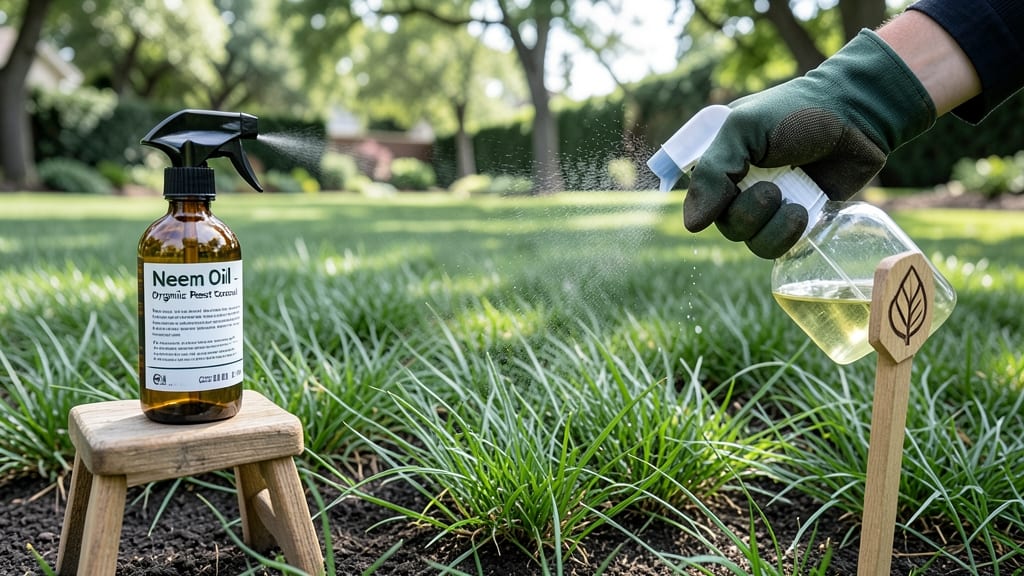
Neem oil for lawn functions as a powerful natural pesticide and fungicide that targets grubs and fungal diseases by disrupting their life cycles and growth processes.
This organic treatment works primarily through its active compound, azadirachtin, which confuses insect feeding patterns and prevents fungal spores from germinating. 🌱 Unlike synthetic chemicals, neem oil breaks down harmlessly in soil while maintaining its effectiveness against common lawn pests like grubs, mites, and mold.
I've seen it transform lawns struggling with brown patch or dollar spot within just a few applications, making it a favorite for eco-conscious gardeners.
What makes neem oil particularly effective is its dual-action approach: it not only kills existing pests but also deters future infestations by altering their behavior. The oil's antifungal properties create an inhospitable environment for disease-causing organisms, giving your grass a fighting chance to recover.
For best results, apply it during the late afternoon when temperatures are cooler to minimize plant stress.
💡 In This Article
- How Neem Oil Disrupts Grubs and Fungal Pathogens
- Best Application Methods for Grub and Disease Control
How neem oil disrupts grubs and fungal pathogens
Neem oil's power against lawn pests starts with its active compound, azadirachtin, which acts like a biological disruptor. This natural chemical interferes with the hormonal systems of insects like grubs, preventing them from molting properly and eventually starving them.
For fungal pathogens such as brown patch or dollar spot, azadirachtin disrupts the formation of spores and mycelium growth by altering cell membrane permeability—effectively suffocating fungal colonies before they spread.
The oil's antifungal properties work at concentrations as low as 0.5-1% azadirachtin, making it highly effective while remaining gentle on plants.
When applied to soil, it creates a protective barrier that blocks spore germination for up to 2-4 weeks, depending on rainfall. 🌱 For grubs specifically, the oil's bitter taste makes them avoid treated areas, breaking their feeding cycles.
Studies show neem oil can reduce grub populations by 50-70% with proper application, comparable to synthetic insecticides but without harmful residues.
What makes neem oil unique is its multi-pronged approach—it doesn't just kill pests but also deters future infestations. The oil's fatty acids create a thin protective film on plant surfaces, repelling mites and other soft-bodied insects.
This dual action explains why lawns treated with neem oil often show fewer signs of stress from pests and diseases, even in high-moisture conditions where fungal growth thrives.
For fungal diseases like brown patch, neem oil works by disrupting the fungal cell's ability to absorb nutrients. The oil's limonoids bind to fungal cell membranes, causing them to leak essential compounds.
This process is particularly effective against Rhizoctonia solani, the fungus responsible for brown patch, which often appears as circular dead patches in lawns during warm, humid weather.
Temperature plays a crucial role in neem oil's effectiveness. It works best when applied in 60-85°F conditions—too cold, and its compounds become less active; too hot, and it can cause plant stress.
The oil's volatility means it breaks down in sunlight within 24-48 hours, which is why reapplication is often needed after heavy rain or irrigation.
Consider these key factors when using neem oil for lawn care:
- Grub control: Targets larval stages by disrupting feeding and molting
- Fungal prevention: Blocks spore germination and mycelium growth
- Dual protection: Repels mites and soft-bodied insects simultaneously
- Environmental safety: Breaks down harmlessly without soil buildup
The oil's broad-spectrum action makes it ideal for organic lawn care programs, especially when combined with cultural practices like proper mowing height (2.5-3.5 inches) and regular watering schedules. 💫