
Lawn
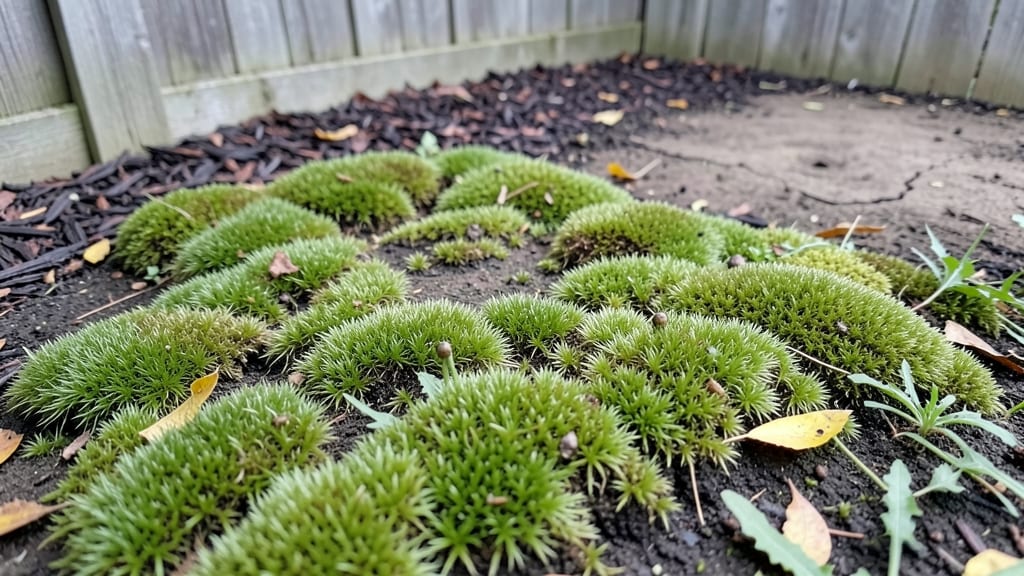
A moss lawn thrives where traditional grass struggles, offering a lush, carpet-like texture that stays green even in cooler months. 🌿 This natural ground cover requires minimal mowing and resists weeds, making it ideal for shaded or damp areas.
However, its delicate nature means it needs consistent moisture and protection from foot traffic to prevent compaction. The trade-off? A serene, low-maintenance alternative that can transform your yard into an eco-friendly retreat—if you're willing to adapt to its specific growing conditions.
One key advantage is moss's ability to retain moisture, which helps prevent soil erosion and reduces watering needs. Yet, this same trait can attract slugs or mites if not managed properly.
For those in sunny climates, pairing moss with shade-tolerant plants might be the best compromise to enjoy its benefits while minimizing drawbacks.
💡 In This Article
- How Moss Lawns Thrive in Shady, Moist Gardens
- Maintenance Tips for a Lush Moss Lawn
How moss lawns thrive in shady, moist gardens
Moss lawns flourish in shaded, damp environments because they lack the deep root systems of grass. Instead, they spread horizontally using specialized structures called rhizoids that anchor them to surfaces while absorbing moisture directly from the air and soil.
This adaptation allows moss to thrive in areas where traditional lawns would struggle, such as under trees or in north-facing yards where sunlight is limited. The ideal moisture level for moss is consistently high—soil should stay damp but not waterlogged, with humidity levels above 60% for optimal growth. 🌿
The ecological advantages of moss are rooted in its natural functions. Its dense, velvety structure helps retain up to 10 times its weight in water, reducing runoff and preventing soil erosion. This water retention also suppresses weeds by creating a competitive environment where sunlight barely reaches the soil surface.
Additionally, moss acts as a natural air purifier, filtering pollutants and releasing oxygen through photosynthesis—even in low-light conditions where grass would yellow and die.
For moss to thrive, soil pH must remain acidic, ideally between 4.5 and 5.5. This acidic environment prevents fungal growth that could harm the moss while promoting the activity of beneficial soil microbes.
Unlike grass, moss doesn't require fertilization, but it does need protection from foot traffic, which can compact the delicate surface layer. Walking on a moss lawn compresses its structure, reducing its ability to absorb moisture and leading to browning.
To maintain its lush appearance, limit foot traffic and use stepping stones in high-traffic areas.
Shade tolerance is another key advantage, as moss can survive with as little as 2-4 hours of indirect sunlight per day. Direct sunlight, especially in hot climates, causes moss to dry out and turn brown. In contrast, grass requires 6-8 hours of direct sunlight to maintain vibrant green color.
This makes moss an excellent choice for gardens under large trees or buildings where sunlight is blocked. The trade-off? Moss grows more slowly than grass, typically expanding at a rate of 1-2 inches per year, so patience is required for full coverage.
One often-overlooked benefit is moss's role in temperature regulation. Its dense mat insulates the soil, keeping it cooler in summer and warmer in winter. This thermal stability supports beneficial soil organisms while discouraging invasive plants.
However, this insulation effect can also create microclimates that attract pests like slugs and mites, which thrive in the moist, shaded conditions moss prefers. Regular monitoring and organic pest control methods, such as diatomaceous earth or copper barriers, can help mitigate these risks without harming the moss itself. 🌱
The ideal growing conditions for moss—shade, moisture, and acidic soil—mirror those of natural forest floors. In these environments, moss forms thick carpets that protect seedlings and retain nutrients. Recreating these conditions in your garden involves amending soil with peat moss or compost to lower pH and improve water retention.
Mulching with leaf litter or pine needles further enhances the moss-friendly microclimate by maintaining humidity and suppressing competing vegetation.
For those considering a moss lawn, the key takeaway is balance. While moss offers unmatched softness and ecological benefits in the right conditions, it demands a commitment to its specific needs. The reward? A living carpet that stays green year-round, requires no mowing, and supports a healthier garden ecosystem.
With proper care, a moss lawn can transform even the shadiest corner into a lush, low-maintenance oasis. ✨