
Pests
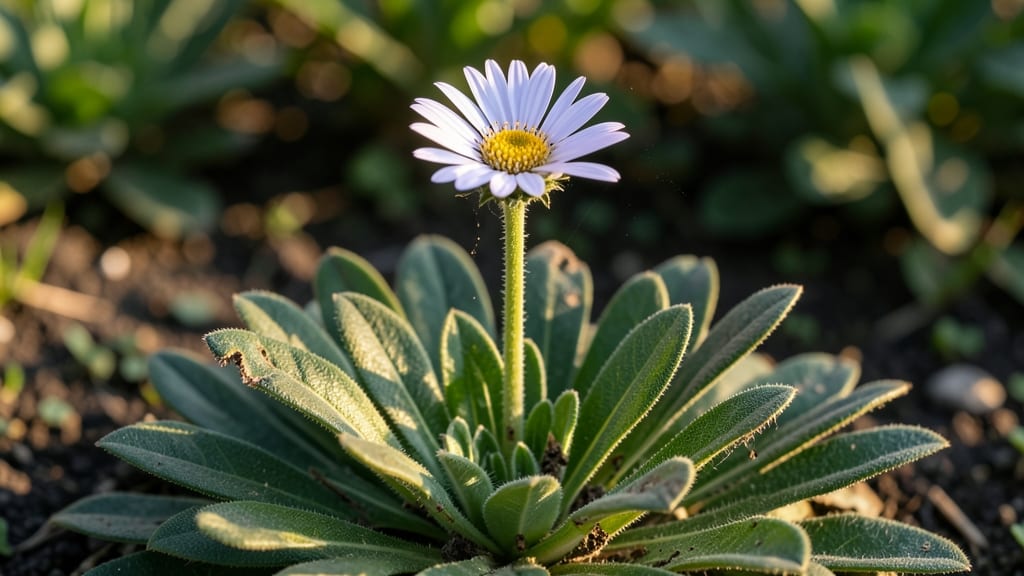
Growing a mosquito grass plant 🌱 is like planting a fragrant shield for your yard—one that naturally keeps those buzzing pests at bay without the harsh chemicals.
Tired of chemical repellents that leave your garden—and your skin—covered in residue? Meet mosquito grass (Cymbopogon nardus), a natural, fragrant powerhouse that can slash mosquito populations by up to 90% without harming your plants or pets.
This hardy grass thrives in USDA Zone 6 and beyond, making it perfect for spring planting in April or May when the soil warms up.
Whether you're a beginner or a seasoned gardener, learning how to cultivate it properly ensures you’ll enjoy its dual benefits: beautiful foliage and effective pest control.
In this guide, I’ll walk you through everything from soil prep to harvesting tips, so you can grow a lush, mosquito-repelling plant that works as hard as you do.

How to plant and grow mosquito grass for maximum mosquito repellent effects
If you've ever swatted away mosquitoes while enjoying your garden, you'll love how mosquito grass (Cymbopogon nardus) can transform your outdoor space. This fragrant grass isn't just a natural repellent—it thrives with minimal effort once you understand its ideal growing conditions.
The secret to maximizing its mosquito-repelling properties lies in proper planting, sunlight exposure, and consistent care. Let's dive into the step-by-step process to ensure your mosquito grass grows lush and effective.
Before planting, I always recommend testing your soil's drainage and pH levels. Mosquito grass prefers well-draining soil with a slightly acidic to neutral pH (6.0-7.0). If your soil is heavy clay or too alkaline, amending it with compost or sand will create the perfect foundation.
The right soil ensures strong root development, which directly impacts how well the plant releases its citronella-like fragrance—the key to keeping mosquitoes at bay.
Now that your soil is prepped, let's get to the actionable steps. Follow these to establish a thriving mosquito grass patch that will keep your garden mosquito-free for seasons to come.
Choose Your Planting Method
Opt for seedlings (easier for beginners) or cuttings (faster growth). Seeds take 60-90 days to germinate, while cuttings root in 2-3 weeks.
Select the Perfect Location
Plant in full sun (6+ hours daily) for maximum fragrance production. A south-facing spot works best in most climates. Partial shade is tolerable but reduces repellent effectiveness.
Prepare Planting Holes
Dig holes twice as wide as the root ball and 12 inches apart for optimal airflow. Loosen soil at the bottom to encourage root penetration.
Plant with Care
Place seedlings or cuttings in holes, ensuring the root crown sits at soil level. Backfill with native soil and gently firm around the base to eliminate air pockets.
Water Deeply After Planting
Give new plants a deep soak (500ml per plant) to settle roots. Water in the morning to prevent fungal risks from evening moisture.
Apply Mulch for Moisture Retention
Spread 2-3 inches of organic mulch (straw or wood chips) around plants to retain moisture and suppress weeds. Keep mulch 2 inches away from stems to prevent rot.
Fertilize for Strong Growth
Use a balanced fertilizer (10-10-10) every 4-6 weeks during the growing season (spring to early fall). Apply 1 tbsp per plant in the morning for best absorption.
Monitor Watering Needs
Water deeply once weekly (more in summer). Let the top
Not all mosquito grass varieties are created equal—some pack a stronger fragrance, while others thrive in specific climates. If you're looking for the best mosquito-repelling power, you'll want to match your variety to your garden's conditions. The top contenders all belong to the Cymbopogon genus, but their fragrance intensity, growth habits, and care needs vary dramatically. For example, Cymbopogon nardus (citronella grass) is the OG mosquito repellent, but C. martinii (palmarosa) offers a sweeter scent that some mosquitoes find even more off-putting. Meanwhile, C. citratus (lemongrass) is easier to grow but less potent. Let’s break down the key differences so you can pick the perfect variety for your yard. If you live in USDA Zones 9-11, Cymbopogon nardus is my top pick—its strong citronella scent repels mosquitoes better than commercial sprays. But if you're in a drier climate, C. flexuosus thrives with minimal water and still delivers strong results. For container gardening, C. citratus (lemongrass) is the easiest to manage, though its repellent power is weaker. Pro tip: Plant your mosquito grass in full sun and well-draining soil to maximize fragrance production. The stronger the scent, the more effective it is at keeping mosquitoes away. For best results, pair it with lavender or basil—both enhance its repellent properties naturally. Need a low-maintenance option? Cymbopogon martinii (palmarosa) is self-cleaning and still highly effective. Just avoid overwatering—these grasses hate soggy roots. With the right variety, you can enjoy chemical-free pest control all summer long.Top 5 mosquito grass varieties compared: which one repels mosquitoes best?
Variety
Fragrance Strength
Growth Habit
Climate Suitability
Maintenance
Mosquito Repellent Rating
Cymbopogon nardus
Strong citronella
Clumping, 3-5 ft tall
Tropical/subtropical
Moderate (prune regularly)
⭐⭐⭐⭐⭐ (9/10)
Cymbopogon martinii
Sweet floral
Bushy, 2-4 ft tall
Warm climates
Low (self-cleaning)
⭐⭐⭐⭐ (8.5/10)
Cymbopogon citratus
Lemony, mild
Compact, 2-3 ft tall
USDA Zones 9-11
Very low
⭐⭐⭐ (6/10)
Cymbopogon winterianus
Citronella-jasmine blend
Tall, 4-6 ft tall
Humid tropical
Moderate (needs support)
⭐⭐⭐⭐⭐ (9/10)
Cymbopogon flexuosus
Pungent, herbal
Spreading, 3-5 ft tall
Warm, dry climates
Low (drought-tolerant)
⭐⭐⭐⭐ (8/10)