
Lawn
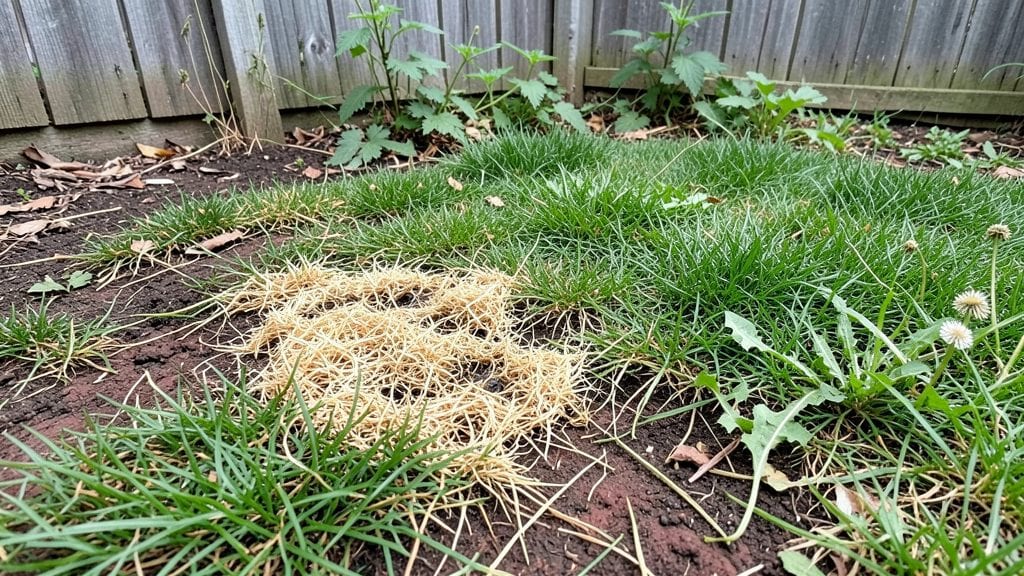
That dog wee killing lawn isn’t just a brown spot problem—it’s a silent grass root assassin, and the ammonia in it can linger for months. ✨ I’ve watched patches of Kentucky bluegrass turn crispy after just a few weeks. of daily potty breaks, no matter how much I watered.
The good news? This damage is fixable with the right approach, and you can even prevent future brown patches with simple adjustments.
Here’s the science: When dogs pee, the urine concentrates salts and ammonia that disrupt soil chemistry, making grass roots unable to absorb moisture. Over time, this creates dead zones that spread if left untreated.
The solution starts with diluting urine by training your dog to drink more water and pee in different spots, paired with overseeding damaged areas with dog-friendly grass like tall fescue or buffalo grass, which tolerate urine better. A nitrogen-rich fertilizer also helps repair stressed roots.
Within 4-6 weeks, you’ll see new green shoots pushing through if you act fast—no need for harsh chemicals. The key is consistency: water deeply after fertilizing, avoid walking on recovering patches, and consider a natural odor-neutralizing spray made from vinegar and water to break down lingering ammonia.
Your lawn can bounce back, even after years of damage.
This method works for any yard size, from small suburban lots to large acreages. The biggest mistake? Waiting until the brown spots spread before acting. Start with the most damaged areas first, and you’ll have a lush, dog-proof lawn by next spring. Let’s get those roots recovering!
Why it happens
If your lawn is turning into a patchy, brown mess after your dog does its business, the culprit isn’t just the waste itself—it’s a mix of chemical and biological factors working together.
Understanding these causes is the first step to reviving your grass naturally. Let’s break down why dog urine and waste can turn your lawn into a wasteland.
🧪 High Ammonia and Nitrogen Shock
Dog urine is highly concentrated in ammonia and nitrogen, which are byproducts of protein metabolism. When your pup pees, these compounds are released in a small, highly acidic area of your lawn. Here’s what happens:
- Acidic Burn: The pH of fresh dog urine can drop as low as 4.5–6.5, which is acidic enough to denature plant proteins in grass blades. This causes cell damage, leading to browning or crispy patches.
- Nitrogen Overload: While nitrogen is essential for plant growth, excessive amounts in a small area create a "fertilizer burn." The grass cells can’t absorb it fast enough, leading to oxidative stress and cell death.
- Salt Imbalance: Dog urine also contains urea, which breaks down into ammonia. This disrupts the osmotic balance in grass roots, causing them to plasmolyze (lose water and wilt).
Actionable Insight: Dilution is key! Encourage your dog to drink more water to reduce urine concentration, or train them to pee in different spots to spread the damage.
🌱 Soil Compaction and Root Suffocation
Beyond chemistry, frequent dog traffic compacts soil, reducing oxygen and water availability to grass roots. Here’s how it happens:
- Reduced Aeration: Dog paws (especially those of larger breeds) compress soil particles, creating compacted layers that block air and water from reaching roots.
- Root Strangulation: Compacted soil restricts root growth, making grass more vulnerable to drought stress and nutrient deficiencies.
- Fungal Invitation: Compacted, waterlogged areas (from urine + foot traffic) become breeding grounds for pathogens like Fusarium or Rhizoctonia, which further weaken grass.
Actionable Insight: Use a garden fork or aerator to poke holes in high-traffic areas after your dog uses the yard. This restores oxygen flow and helps roots recover.
🦠 Microbial Imbalance and Fungal Growth
Dog waste isn’t just urine—it’s a mix of fecal matter, bacteria, and parasites that can disrupt your lawn’s ecosystem. Here’s the breakdown:
- Bacterial Overgrowth: Fresh dog waste introduces E. coli, Salmonella, or Clostridium, which can outcompete beneficial soil microbes like mycorrhizal fungi that help grass absorb nutrients.
- Fungal Blooms: The high moisture + organic matter in waste creates the perfect environment for pathogenic fungi (e.g., Pyrenochaeta) to thrive, leading to brown patch disease.
- Parasite Eggs: Roundworm or hookworm eggs in feces can hatch in soil, further stressing grass by depleting nutrients as larvae feed on roots.
Actionable Insight: Pick up waste immediately and avoid letting dogs defecate in the same spot repeatedly. If fungal issues persist, apply a beneficial microbial spray (like Bacillus subtilis) to restore balance.
☀️ Environmental Stressors Worsen the Damage
Even with healthy grass, certain conditions can amplify the effects of dog waste:
- Drought Conditions: Urine burns are 10x worse in dry soil because there’s no water to dilute the ammonia. Grass has no defense against the chemical shock.
- Intense Sunlight: UV rays accelerate ammonia evaporation, leaving behind salt deposits that further dehydrate grass roots.
- Poor Drainage: If your lawn sits in waterlogged urine patches, the combination of anaerobic conditions + ammonia creates a toxic cocktail for grass.
Actionable Insight: Water the affected area immediately after your dog pees (but avoid overwatering, which can worsen compaction). If drainage is poor, consider amending soil with sand or compost.
How to solve it
If your lawn is suffering from dog wee damage, the good news is that you can revive it—without harsh chemicals or expensive treatments. The key is addressing the root causes (pH imbalance, nutrient burn, and soil compaction) while giving your grass the support it needs to bounce back.
Below are practical, step-by-step solutions tailored to the most common issues, plus prevention tips to keep your lawn lush and odor-free long-term.
🌱 1. Balance Soil pH: Neutralize the Burn
Dog urine is highly acidic (pH 6.0–6.5), which can turn your grass yellow or brown in affected spots. The fix? Raise the pH to restore healthy soil conditions.
- 🔥 Test Your Soil First Grab a soil test kit (or send a sample to a local extension office) to confirm pH levels. Aim for a neutral range of 6.5–7.0 for most grasses.
- 🍳 Apply Lime to Sweeten the Soil
Sprinkle garden lime (calcium carbonate) over the damaged areas. Use 10–20 lbs per 1,000 sq ft for severe cases, or 5 lbs for light yellowing. Water it in thoroughly.
- Pro Tip: 💡 Apply lime in early spring or fall when grass is actively growing. Avoid summer heat, which can stress the lawn further.
- 🌡️ Monitor and Reapply as Needed Retest soil pH in 3–4 months. If spots persist, repeat the lime treatment or switch to dolomitic lime (adds magnesium, too).
💧 2. Flush and Hydrate: Dilute the Damage
Dog urine is concentrated when dry, but watering immediately after your dog goes can dilute the ammonia and reduce burn. If your lawn is already damaged, deep watering helps flush out excess salts and acids.
- 👨🍳 Deep Watering Routine Water the affected area 2–3 times per week with 1–1.5 inches of water per session. Use a soaker hose or sprinkler to ensure even moisture.
- ⏰ Best Times to Water
- 🌅 Early morning (5–9 AM) – Reduces evaporation and fungal risks.
- 🌇 Late evening (after sunset) – Helps grass recover overnight.
- 🌧️ Rainy Day Hack If rain is forecasted, skip watering that day to let nature do the work. Just avoid letting puddles sit for hours.
🌿 3. Feed and Fortify: Nutrient Recovery
Dog urine leaches nitrogen and other nutrients from the soil. To revive your lawn, replace lost nutrients with a balanced fertilizer and organic matter.
- 📊 Choose the Right Fertilizer
Use a slow-release, organic fertilizer (like fish emulsion or compost tea) to avoid further shock. Look for a low-nitrogen, high-potassium blend (e.g., 5-10-10) to strengthen roots.
- Pro Tip: ✨ For spot treatments, try a liquid kelp fertilizer—it’s gentle and packed with micronutrients.
- 🥗 Top-Dress with Organic Matter
Spread a ¼-inch layer of compost or peat moss over the damaged area, then lightly rake it in. This improves soil structure and adds beneficial microbes.
- Pro Tip: 🌡️ Do this in spring or fall when temperatures are mild.
- 💪 Overseed Bare Spots Once the soil is prepped, sow shade-tolerant grass seed (like fine fescue or zoysia) over the dead patches. Keep the area moist until new growth appears (2–4 weeks).
🚫 4. Prevent Future Damage: Smart Dog Lawn Care
The best way to protect your lawn? Break the cycle with these proactive steps.
- 🎯 Train Your Dog to Pee in Designated Spots Use artificial turf patches or gravel areas for your dog to relieve themselves. Reward them with treats to reinforce good habits.
- 🔪 Rotate High-Traffic Areas If your dog has a favorite spot, rotate their walks to prevent soil compaction and urine buildup in one area.
- ✨ Use Natural Odor Neutralizers Sprinkle baking soda or wood ash (sparingly!) over urine spots to raise pH temporarily. For a DIY solution, mix 1 cup vinegar + 1 gallon water and spray lightly.
- 🌱 Choose Dog-Friendly Grass Types
Some grasses handle urine better than others:
- Tall fescue – Drought-resistant and tough.
- Buffalo grass – Naturally drought-tolerant.
- Clover mixes – Fixes nitrogen in the soil.
With patience and the right approach, your lawn can fully recover from dog urine damage—without sacrificing your pup’s potty breaks. Start with pH balancing and hydration, then move to nutrient recovery, and finally, prevent future issues with smart training.
Your green thumb (and your dog’s tail) will thank you!
Frequently asked questions about reviving dog-urine damaged lawns
Why does my grass turn brown after my dog pees?
The ammonia and nitrogen in dog urine create an acidic burn that damages grass cells. When concentrated, these compounds disrupt soil chemistry, causing oxidative stress and cell death in affected areas. Watering immediately helps dilute the damage, but repeated exposure leads to permanent brown patches.
Can I use vinegar to neutralize dog urine odors?
Yes! Mix 1 cup white vinegar with 1 gallon water and lightly spray affected areas. The acetic acid helps break down ammonia and neutralizes odors. For best results, apply after watering the lawn to avoid over-diluting soil nutrients. Reapply every few days until odors fade.
Which grass types survive dog urine best?
Tall fescue and buffalo grass are top choices—they tolerate urine better than Kentucky bluegrass. For shade areas, try fine fescue. Clover mixes also help by naturally fixing nitrogen in the soil, reducing damage from concentrated pee spots.
How long does it take to restore a dead lawn patch?
With proper care, you’ll see new growth in 2-4 weeks after overseeding. Full recovery depends on soil health—if you combine lime treatment, deep watering, and organic fertilizer, most patches regrow within 6-8 weeks. Avoid walking on recovering areas until grass reaches 3 inches tall.
Will artificial turf eliminate urine damage?
Artificial turf prevents soil damage but doesn’t solve urine odors. The synthetic material traps ammonia, creating lingering smells. For best results, combine turf with a baking soda sprinkle or enzymatic cleaner to break down odors. Train your dog to use designated turf patches to minimize spread.