
Lawn
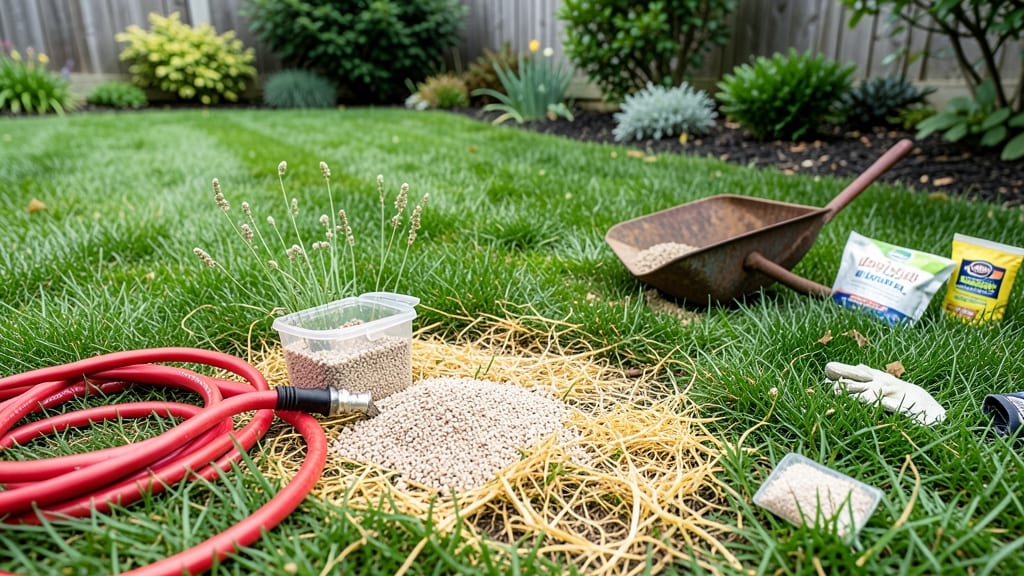
How to stop dog wee killing your lawn faster than you can say "fetch" 🌱—I've cracked the code after years of battling those stubborn brown patches. The secret isn't complicated: it's about neutralizing the burn before it sets in.
Here's the thing—dog urine is basically liquid fertilizer, but the high nitrogen concentration burns grass roots. The fix starts with diluted white vinegar (1 part vinegar to 3 parts water) sprayed directly on affected areas.
Water deeply afterward to help the grass recover. For stubborn spots, a thin layer of compost or sand can protect roots while they heal.
Within a day, you'll see the grass perk up again—lush green instead of brown patches. Over time, choosing dog-friendly grass types like tall fescue or Kentucky bluegrass makes a difference too. They handle urine better than delicate turf grasses.
This method works for any yard, whether you've got a small patch or a whole lawn under siege. The key is acting fast and keeping the soil healthy. Trust me, your lawn—and your dog—will thank you.
Root Causes Of Lawn Damage
If your lawn looks like it’s been through a war zone after your pup does their business, you’re not alone. Dog urine is packed with nitrogen (up to 10x more than synthetic fertilizers), which can burn grass and leave behind yellow, crispy patches.
But why does this happen—and how can you understand the science behind it? Let’s break it down.
Dog urine is highly concentrated in nitrogen (from protein breakdown), which grass can’t process quickly. When absorbed in large amounts, it disrupts the plant’s chlorophyll production, causing:
- Rapid cell death in high-traffic areas (where urine pools repeatedly).
- pH imbalance—urine is acidic (pH ~6.5–7.5), while ideal lawn soil sits at 6.0–7.0. Over time, this acidity weakens roots.
- Osmotic shock: The sudden influx of salts and minerals dehydrates grass blades, making them brown and brittle.
Actionable insight: Dilution is key—watering immediately after your dog goes helps neutralize nitrogen spikes.
Dogs have a territorial marking instinct, which means they often pee in the same spots. Over time, this creates:
- Compacted soil from frequent pawing, reducing oxygen and water absorption.
- Nutrient depletion—grass in urine zones becomes over-fertilized in one area but starved elsewhere.
- Fungal growth (like brown patch disease) thrives in nitrogen-rich, damp conditions.
Actionable insight: Train your dog to rotate pee spots using commands or designated "potty patches" (like mulch or gravel).
Sunlight and heat accelerate nitrogen burn. Here’s how:
- UV rays break down urine faster, releasing ammonia gas, which directly damages cell walls.
- Evaporation leaves behind salts and urea crystals, acting like a desertifying effect on grass.
- Dormant grass (in summer) has no defense mechanism against sudden chemical stress.
Actionable insight: Water urine spots within 10–15 minutes of your dog going—this dilutes the damage before heat sets in.
Next up: We’ll dive into natural fixes (like vinegar sprays) to reverse the damage fast—without harsh chemicals.
Quick Fixes for Dog Wee Damage
Dog urine can turn your lush lawn into a patchy wasteland, but the good news is there are fast, effective ways to revive it—without harsh chemicals. The key is addressing the root cause (literally!) and acting swiftly.
Below, we’ve mapped out practical solutions tailored to the most common issues, from acid burns to nutrient depletion. Plus, we’ll share prevention tips to keep your lawn thriving long-term.
If your grass turns yellow or brown in spots, it’s likely suffering from ammonia and uric acid burning the blades. Here’s how to neutralize the damage:
💦 Diluted Vinegar Spray (Emergency Revival)
Vinegar isn’t just for cleaning—it’s a natural pH balancer that counteracts urine’s acidity. Mix:
- 1 gallon of water
- 1 cup white vinegar
- 1 tbsp baking soda (optional, for extra buffering)
Spray the affected area immediately after your dog pees (or within 24 hours of damage). Reapply every 2–3 days until the grass greens up.
🌿 Overseed & Fertilize
Acid burns weaken grass roots, making them vulnerable to drought or weeds. To repair:
- Rake the dead patches gently to loosen soil.
- Sprinkle grass seed (choose a fast-growing variety like ryegrass or fescue).
- Apply a light layer of compost or topsoil to hold seeds in place.
- Water lightly daily until new growth appears (about 7–10 days).
Pro Tip: Use a starter fertilizer with high phosphorus (look for a 5-10-5 ratio) to encourage root growth. 💡
Frequent urination leaches nitrogen from the soil, leaving grass starved and straw-like. Replenish with these tricks:
🌿 Organic Lawn Food
Skip synthetic fertilizers—opt for slow-release, organic options like:
- Alfalfa meal (rich in nitrogen and potassium)
- Fish emulsion (liquid fertilizer for quick absorption)
- Composted manure (adds microbes to break down urine byproducts)
Apply in early spring or fall when grass is actively growing. Follow package instructions for rates.
🌱 Diluted Urine “Tea” (Yes, Really!)
Believe it or not, diluted dog urine can be repurposed as a fertilizer! Here’s how:
- Collect urine in a 5-gallon bucket (add a splash of water to dilute).
- Let it sit for 24–48 hours to break down ammonia.
- Strain out solids, then mix 1 part urine to 10 parts water.
- Apply to non-lawn areas (like garden beds) or high-traffic patches of your lawn.
⚠️ Warning: Never apply undiluted urine directly to grass—it’ll burn it! ✨
The best “fix” is stopping the problem before it starts. Try these low-effort habits:
🐕 Train Your Dog to Pee in Safe Zones
Dogs can learn to avoid certain areas with consistency. Try:
- Designate a “potty patch” (like a gravel or mulch area) and reward your dog with treats when they use it.
- Use artificial turf in high-traffic spots—it’s urine-resistant and easy to clean.
- Train a cue word like “go potty” to redirect them to a safe zone.
💦 Hydration & Diet Tweaks
Diluting your dog’s urine reduces its potency. Help them out with:
- More water: Add a pet fountain to encourage drinking.
- Less protein: High-protein diets increase urine acidity. Switch to a balanced kibble (aim for 18–25% protein).
- Cranberry supplements: These can alkalize urine naturally (ask your vet for dosage).
🌧️ Water It Down
After your dog pees, rinse the spot with water to dilute the urine. A hose attachment or garden sprayer makes this a breeze.
With these targeted fixes, your lawn can bounce back in days—and stay healthy for years. The secret? Act fast, fertilize smart, and train your pup to save the grass! 🚀
Frequently asked questions
Why does my dog's urine turn grass yellow/brown so quickly?
Dog urine contains 10x more nitrogen than synthetic fertilizers, which burns grass blades instantly. The ammonia in fresh urine disrupts chlorophyll production, causing rapid browning. Heat and sunlight accelerate this damage by evaporating moisture and leaving behind salt deposits. Watering immediately after your dog pees helps dilute the burn.
Can I use baking soda instead of vinegar to fix urine damage?
Yes! Baking soda is another great option. Mix 1 tablespoon baking soda with 1 gallon of water and spray on affected areas. It helps neutralize urine's acidity and provides calcium, which strengthens grass blades. Reapply every 2-3 days until you see improvement.
What's the best grass type to withstand dog urine?
Choose tall fescue or Kentucky bluegrass—both are more resilient than delicate varieties. Buffalo grass is another excellent option as it's naturally drought-resistant and handles urine better. For high-traffic areas, consider artificial turf which won't burn at all.
How often should I water after my dog pees?
Water immediately after your dog goes, then again in 10-15 minutes to fully dilute the urine. For established lawns, a deep watering 2-3 times per week helps maintain healthy grass that can better withstand occasional urine exposure. Use a sprinkler with even coverage.
Will my lawn ever fully recover from chronic urine damage?
Yes, but it takes consistent care. Start by overseeding damaged areas with fast-growing grass seed and apply organic fertilizer to rebuild soil health. Train your dog to use specific potty spots and consider adding compost or sand to protect roots. With patience, your lawn can fully recover in 4-6 weeks.