
Fertilization
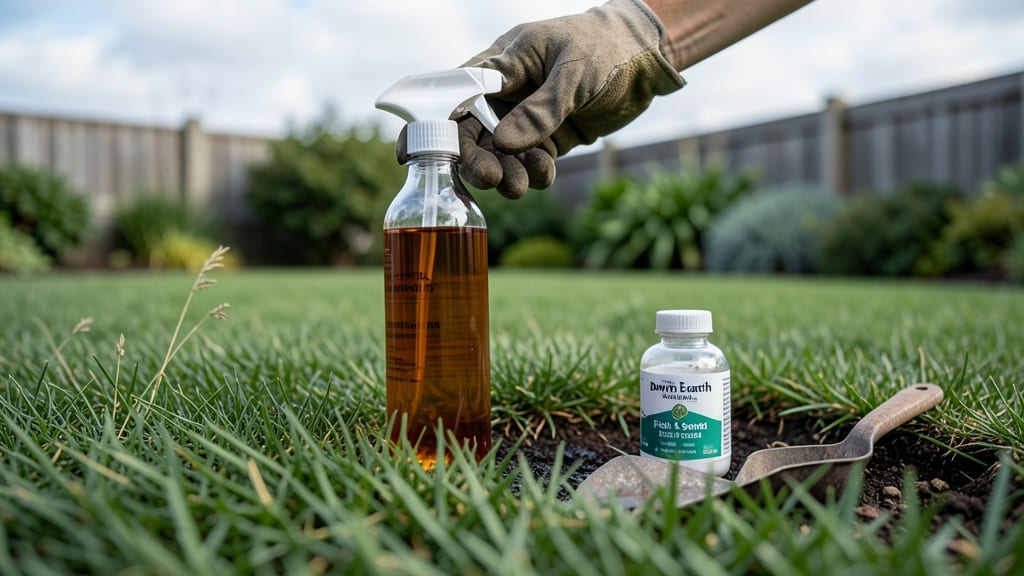
Organic liquid lawn fertilizer delivers fast-absorbing nutrients like seaweed extract, fish emulsion, and compost tea to promote deep root growth, vibrant greenery, and soil microbiome health without synthetic chemicals. Apply every 4-6 weeks during growing seasons for best results.
This nutrient-rich formula works because it combines plant-based and marine-derived ingredients that break down quickly in the soil. 🌱 Unlike synthetic fertilizers, organic liquids feed the soil ecosystem first—boosting beneficial microbes that naturally improve soil structure and nutrient retention.
I've seen lawns transform within weeks when using this method consistently, especially during peak growing months when grass needs extra support.
What sets organic liquid fertilizers apart is their ability to deliver balanced nutrition without harsh additives. The seaweed extract, for example, not only provides potassium but also strengthens the grass's natural resistance to drought and disease.
Meanwhile, fish emulsion adds essential nitrogen for leaf growth, while compost tea introduces beneficial bacteria that break down organic matter into plant-available nutrients.
💡 In This Article
- Key Nutrients in Organic Liquid Fertilizers for Lawn Health
- Step-by-Step Guide to Applying Organic Liquid Lawn Fertilizer
Key nutrients in organic liquid fertilizers for lawn health
The magic of organic liquid fertilizers lies in their nutrient density and how they feed both your grass and the soil ecosystem.
Unlike synthetic fertilizers that deliver quick but short-lived nitrogen spikes, organic liquids provide a balanced trio: nitrogen for leaf growth, phosphorus for root development, and potassium for overall plant health.
Fish emulsion, for example, contains 5-8% nitrogen in protein form, which grass absorbs gradually through microbial breakdown—think of it as a slow-release protein shake for your lawn.
Seaweed extract stands out for its unique benefits beyond basic nutrients. It contains cytokinsins (plant hormones) that stimulate cell division, helping grass recover faster from stress like drought or foot traffic.
The potassium content (about 2-3%) improves drought resistance by strengthening cell walls, while trace minerals like magnesium and iron boost chlorophyll production for that deep green color. 🌿 What's fascinating is how seaweed extract also contains alginates, which help bind soil particles—imagine a natural glue that improves soil structure and water retention.
Compost tea adds another layer by introducing beneficial microbes that break down organic matter into plant-available nutrients. A properly brewed compost tea can contain 10,000-100,000 colony-forming units (CFUs) per milliliter, which may sound microscopic but translates to a thriving soil food web.
These microbes compete with harmful pathogens, creating a protective environment for roots. The difference between synthetic fertilizers and organic liquids becomes clear here: synthetics feed the plant directly but leave the soil lifeless, while organic liquids nourish both the plant and the soil's microbial community.
Here's where the science gets interesting: organic nutrients often require microbial activity to become plant-available. Fish emulsion, for instance, contains amino acids that grass roots can absorb directly, but the nitrogen becomes fully available only after soil bacteria convert it through mineralization.
This process explains why organic fertilizers work best when applied to healthy soil with an active microbiome—think of it as feeding the gardeners (microbes) who then feed your grass. The result? Stronger roots that reach deeper for water and nutrients, and a lawn that stays lush even during heatwaves.
For those concerned about environmental impact, organic liquids offer another advantage: they don't contribute to groundwater pollution like synthetic nitrogen (which often runs off into waterways). The slow-release nature of organic nutrients means less risk of over-fertilization and more consistent growth.
That said, the key to success lies in proper application—too little won't show results, while too much can lead to thatch buildup or nutrient imbalances. The sweet spot is typically 1-2 pounds of nitrogen per 1,000 square feet per year, applied in 4-6 weekly intervals during the growing season.
Consider this real-world example: a 1-gallon container of fish emulsion might contain 2-3 pounds of nitrogen, but when diluted at 1:10 ratio (1 part fertilizer to 10 parts water), it covers about 250 square feet. The dilution isn't just about coverage—it's about mimicking nature's slow nutrient release.
Overwatering after application can wash away nutrients before they're absorbed, while proper watering (½ inch within 24 hours) helps them penetrate the soil profile. 💧