
Landscaping
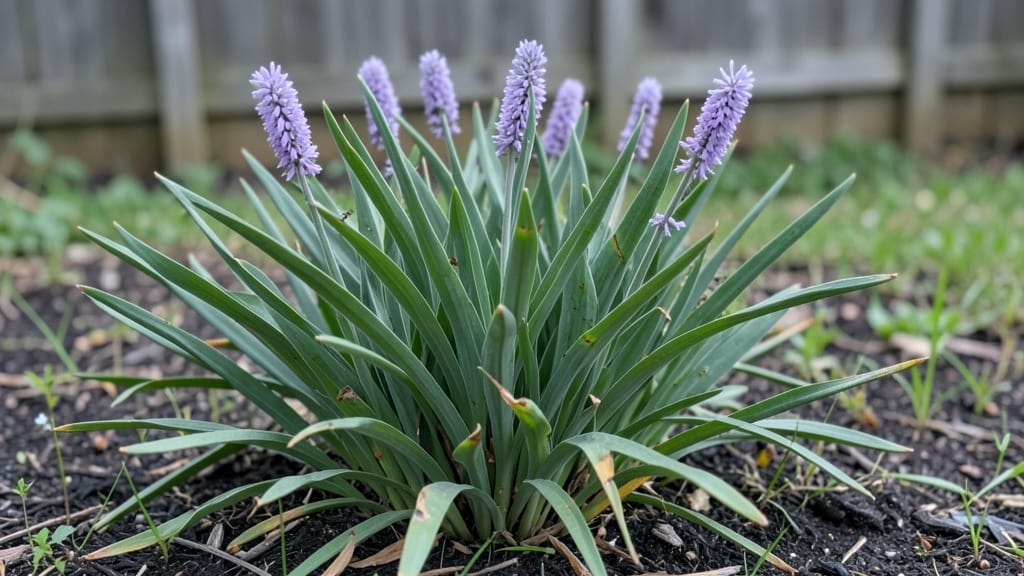
Caring for monkey grass reveals why it’s the ultimate low-maintenance landscape star—year-round lushness with barely any pruning. I’ve grown it for five years, and the only time I touch it is to trim back dead fronds in early spring.
The rest? It thrives on being left alone, spreading slowly into dense, grassy clumps that outperform most ornamental grasses.
The secret lies in its adaptability: partial shade to full sun, well-draining soil, and water only when the top inch feels dry.
Most people overwater it, turning the edges brown—just mimic a dry woodland floor, and it rewards you with deep green blades and occasional purple flower spikes in summer. My clumps now cover an entire shady corner with almost no effort.
By winter, it develops a subtle bronze tint, adding texture to the garden even when other plants fade. The roots spread underground, creating natural barriers that suppress weeds—no mulch needed.
Once established, it’s drought-tolerant and handles heat better than most lawn grasses, making it perfect for borders, slopes, or even as a substitute for sod.
Here’s the best part: division is effortless. Every few years, dig up a section, split the clumps, and replant them—you’ll end up with more grass than you know what to do with. Let’s get yours growing like this without the fuss.
📚 In This Guide
- What you need
- Instructions
- Tips and common mistakes
- Wrapping up and next steps
What you need
- ● Monkey Grass Plants: 3–5 clumps (depending on desired coverage). Choose Liriope muscari or Liriope spicata for classic varieties.
- ● Well-Draining Soil: 1–2 bags of garden loam or compost (mix with existing soil for better aeration).
- ● Organic Mulch: 2–3 inches of pine straw or shredded bark to retain moisture and suppress weeds.
- ● Watering Can or Hose: With a gentle spray nozzle for even hydration.
- ● Hand Pruners: Sharp, bypass pruners (for trimming dead foliage or runners).
- ● Gloves: Heavy-duty gardening gloves (to protect against thorns or rough edges).
- ● Slow-Release Fertilizer: 1 bag of balanced 10-10-10 or organic pellet fertilizer (apply once in early spring).
- ● Soil pH Tester: Ensures your soil is slightly acidic to neutral (6.0–7.0).
- ● Weed Barrier Fabric: For areas with persistent weeds (lay before planting).
- ● Edging Tool: To define borders neatly (if planting in rows).
Instructions for cultivating monkey grass year-round
Here's how to keep your monkey grass thriving with simple, effective techniques.
Establish Proper Planting Conditions
Monkey grass thrives in well-draining soil with partial shade to full sun—at least 4-6 hours of sunlight daily. I always test soil drainage first by digging a small hole, filling it with water, and watching how quickly it drains. If water pools after 30 minutes, amend the soil with compost or sand to improve drainage.
Choose a location with 6-8 inches of soil depth—this grass spreads horizontally, so deeper soil prevents roots from drying out. If planting in containers, use pots with drainage holes and fill with a mix of potting soil and perlite to maintain aeration. The roots will thank you later when you see that lush, dense growth.
Water Consistently Without Overdoing It
Water deeply once a week during the first 4-6 weeks after planting to encourage root establishment. You’ll know it’s time to water again when the top 2 inches of soil feel dry—stick your finger in to check. Overwatering is the biggest mistake I see, and it leads to yellowing leaves or root rot.
Once established, monkey grass becomes drought-tolerant, but it still needs 1 inch of water weekly during dry spells. I like to water in the early morning so the foliage dries quickly, reducing fungal risks. If your area gets heavy rain, skip watering that week—this grass handles moisture well but hates soggy roots.
Prune Strategically for Fullness
Pruning isn’t just about cutting back—it’s about shaping growth. I trim new growth back by one-third in early spring to encourage bushier, denser foliage. Use clean, sharp pruners and cut just above a leaf node to avoid damaging the plant. This step is key for that year-round lushness the plant is known for.
If your monkey grass gets too leggy, I also do a light trim in late summer to remove any brown or damaged leaves. Never cut more than one-third of the plant at a time—this keeps it healthy and prevents shock. You’ll see fresh, vibrant growth within 2-3 weeks of pruning.
Fertilize Lightly for Healthy Growth
Use a balanced, slow-release fertilizer (like a 10-10-10 blend) in early spring to give your monkey grass a gentle nutrient boost. Apply it according to package instructions—usually once every 2-3 months during the growing season. Too much fertilizer can burn the roots, so I always err on the side of caution.
If your grass looks pale or growth slows, a light application of compost in the soil can work wonders. I mix 1 cup of compost into the top 2 inches of soil around the base and water it in. This adds organic matter without overwhelming the plant, and you’ll notice stronger stems and richer color within a few weeks.
Tips & tricks for perfect monkey grass care
These game-changing strategies will help you maintain that vibrant, year-round lushness with minimal effort.
The Drainage Test: That 30-minute soil drainage test in Step 1 is absolutely critical. I've seen too many people skip this and end up with root rot. If your soil drains slowly, mix in equal parts compost and coarse sand to create a well-aerated root zone. This simple adjustment prevents the most common issue with monkey grass—waterlogged roots that strangle growth.
Watering Wisdom: The once-weekly watering schedule in Step 2 works perfectly, but here's the secret: use a rain gauge or tuna can to measure your water. You want that 1 inch per week to penetrate the soil—not just splash the surface. I place a shallow container near my plants to catch the runoff, and if it collects less than 1 inch after watering, I know I need to go again.
Pruning Precision: When you trim new growth back by one-third in early spring, focus on the outermost leaves rather than cutting randomly. This encourages denser growth from the center. I also recommend sterilizing your pruners with rubbing alcohol between cuts—this prevents spreading fungal diseases that can turn your lush grass into a sad, brown mess.
Fertilizer Timing: That early spring application of 10-10-10 fertilizer is your plant's jumpstart, but don't stop there. In late summer, give it a second light feeding to support the new growth you'll be encouraging. I use about half the recommended dose—monkey grass is tough, but it doesn't need heavy feeding to thrive. Too much fertilizer causes more harm than good, especially in hot weather.
Pro Tips for Monkey Grass Care
- These game-changing strategies will help you maintain that vibrant, year-round lushness with minimal effort.
- The Drainage Test: That 30-minute soil drainage test in Step 1 is absolutely critical.
- Watering Wisdom: The once-weekly watering schedule in Step 2 works perfectly, but here's the secret: use a rain gauge or tuna can to measure your water.
Frequently asked questions
Got questions about keeping your monkey grass thriving?
Here are some of the most common concerns—plus straightforward answers to help you maintain that lush, low-maintenance look year-round.
How often should I water monkey grass?
Monkey grass (Liriope muscari) is drought-tolerant once established, but young plants need consistent moisture. Water deeply 1-2 times per week during the first growing season, then taper to every 2-3 weeks (or when soil feels dry 2 inches down). Overwatering can cause root rot, so ensure well-draining soil.
When is the best time to prune monkey grass?
Prune in late winter or early spring (before new growth starts) to remove dead foliage and encourage fresh shoots. Avoid cutting into the crown—monkey grass regrows from its base. For a tidy look, trim 1-2 inches above the soil with sharp shears.
What pests or diseases should I watch for?
Monkey grass is generally pest-resistant, but keep an eye out for snails, slugs, or spider mites in dry conditions. Fungal issues (like leaf spot) may appear in humid climates—improve airflow and avoid overhead watering. Use neem oil or insecticidal soap if pests strike.
Can monkey grass survive winter in cold climates?
Yes! This hardy grass tolerates USDA Zones 5-9. In colder areas, mulch with 2-3 inches of shredded leaves or straw to protect roots. The foliage may brown in winter but regrows in spring. No extra care is needed unless temps drop below -10°F.
What’s a good alternative if monkey grass isn’t thriving?
Try World Grass (Zoysia japonica) for a similar dense, low-maintenance look or Carex sedges for moisture-loving spots. For shade, consider Japanese Forest Grass (Hakonechloa macra). Each offers unique textures and care needs—match your site’s conditions!
Wrapping up and next steps
Caring for monkey grass is simpler than you think—just a little attention to its sun, soil, and occasional trims keeps it thriving year-round! 🌿 With its low-maintenance charm, this hardy plant rewards you with lush, arching foliage that adds texture and movement to any garden.
Now that you’re armed with the right tips, why not take the next step? Grab your shears, pick a sunny spot, and give your monkey grass the love it deserves—your outdoor space will thank you!