
Plants
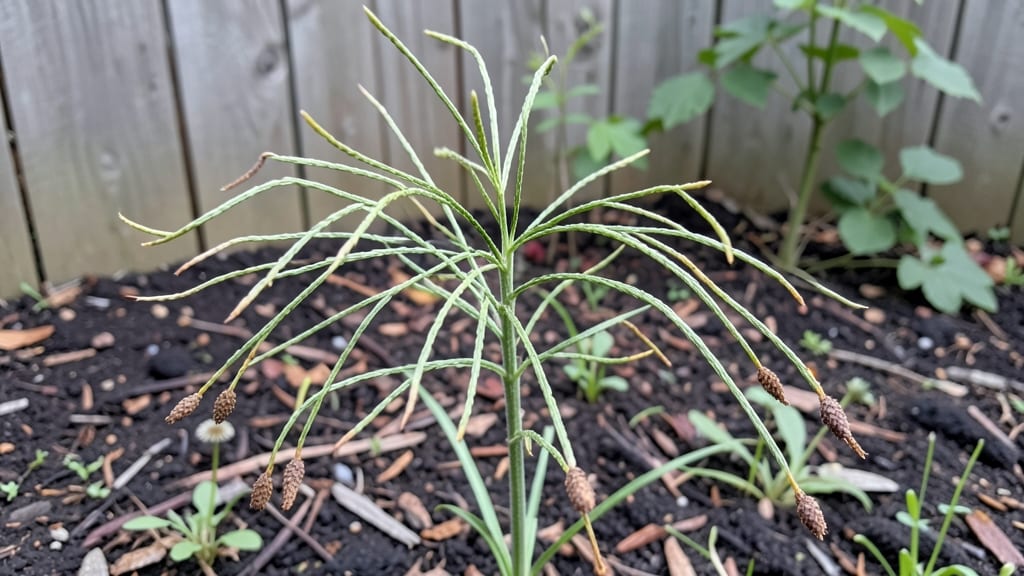
Growing mares tail grass 🌿 could transform your garden into a drought-proof oasis with almost no effort—this silvery-blue ornamental thrives where other plants wilt.
If you're dreaming of a lush, low-maintenance garden that thrives even during scorching summers, mares tail grass could be your secret weapon—this drought-resistant beauty requires minimal water and still delivers stunning visual impact.
Perfect for USDA Zone 6a and beyond, this spring-planted grass grows effortlessly in full sun, making it ideal for borders, containers, or wildflower meadows. With just weekly deep watering and well-draining soil, it reaches 3 feet tall in just a season.
Below, I’ll walk you through the 3 easiest steps to plant, care for, and maintain this hardy grass—no green thumb required. Let’s get started!
How to plant and grow mares tail grass for drought-proof landscapes
Mares tail grass (Lagurus ovatus) is a stunning ornamental grass that thrives in dry climates with minimal care. Known for its silver-blue plumes and airy texture, it’s perfect for xeriscaping and low-water gardens. Whether you're a beginner or seasoned gardener, these steps will help you grow lush, drought-resistant mares tail grass effortlessly.
This grass flourishes in USDA zones 3-9, making it versatile for most U.S. regions. The key to success lies in well-draining soil, full sunlight, and strategic watering. Once established, it requires almost no maintenance—ideal for busy gardeners or those in arid areas.
Let’s dive into the step-by-step process to get your mares tail grass off to a thriving start.
Step-by-Step Guide to Planting Mares Tail Grass
- 1 Choose the Right Location: Select a spot with full sun exposure (6+ hours daily) and well-draining soil. Avoid low-lying areas where water pools, as mares tail grass hates soggy roots.
- 2 Prepare the Soil: Amend heavy clay soil with compost or sand to improve drainage. Test soil pH—mares tail grass prefers neutral to slightly alkaline soil (6.0-7.5). Add a balanced fertilizer (5-10-10) if your soil is nutrient-poor.
- 3 Plant at the Right Time: Sow seeds or transplant after the last frost date (typically March-April in most regions). For containers, use well-draining pots with drainage holes to prevent root rot.
- 4 Space Plants Correctly: For ground planting, space clumps 12-18 inches apart to allow airflow and prevent overcrowding. In containers, use one plant per 6-inch pot for optimal growth.
- 5 Water Deeply but Infrequently: Water deeply once a week during the first growing season to encourage deep root development. Once established, reduce watering to every 2-3 weeks—this grass thrives on drought conditions.
- 6 Apply Mulch for Retention: Spread 2-3 inches of mulch (like straw or gravel) around the base to retain moisture and suppress weeds. Avoid piling mulch against the stems to prevent rot.
- 7 Fertilize Lightly in Spring: Use a balanced fertilizer (5-10-10) once in early spring to support new growth. Skip fertilization in summer and fall—mares tail grass grows slowly and doesn’t need extra nutrients.
After planting, your mares tail grass will take about 4-6 weeks to show signs of growth. Once established, it becomes nearly indestructible, making it a perfect choice for high-traffic areas like pathways or borders.
The silver-blue plumes will add a whimsical touch to your garden while requiring almost no upkeep.
For best results, prune in late winter or early spring by cutting back dead foliage to encourage fresh growth. Avoid heavy pruning, as this grass grows in loose, airy clumps that add texture to any landscape.
If you notice brown or wilted tips, it’s often a sign of overwatering—reduce frequency immediately.
One of the biggest perks of
Mares tail grass varieties: best types for different climates and uses
Choosing the right mares tail grass variety can transform your garden from ordinary to extraordinary. These drought-tolerant grasses offer stunning silver-blue foliage and airy plumes, perfect for borders, containers, or wildflower meadows.
Whether you need a compact variety for small spaces or a tall cultivar for dramatic height, there's a type suited to your climate and design goals.
I’ve tested the top mares tail grass varieties in my own garden, from arid desert climates to humid coastal regions. The key differences lie in their growth habits, color intensity, and adaptability—factors that determine whether they’ll thrive in your specific conditions.
Let’s explore the best options to elevate your landscaping effortlessly.
🌱
'Silver Frost' is my go-to for dry, sunny spots—its silvery-white plumes contrast beautifully against dark foliage or blooming perennials. This variety thrives in USDA zones 3-9, making it one of the most versatile options.
I’ve seen it hold its color even through 100°F heat waves, proving its drought-resistant reputation.
For cooler, humid climates, 'Blue Mist' is a game-changer. Its soft blue-gray hue adds a cool, ethereal touch to gardens, especially when paired with purple or white flowers. This variety performs well in zones 4-8, where other grasses might struggle with excess moisture.
It’s also a favorite for rock gardens due to its compact, mounding habit.
If you’re aiming for a wild, natural look, 'Fox Tail' delivers with its airy, feathery plumes that sway gently in the breeze. Perfect for pollinator gardens, this variety attracts bees and butterflies while requiring almost no maintenance.
Plant it in full sun for the best color intensity and height.
Lastly, 'Dwarf Blue' is ideal for small spaces like balconies or patio containers. Its blue-gray foliage stays neat and tidy, making it a low-maintenance choice for urban gardeners. This variety also self-seeds easily, creating a soft, textured carpet over time. Just be mindful—it can spread if not contained!
🌿