
Lawn
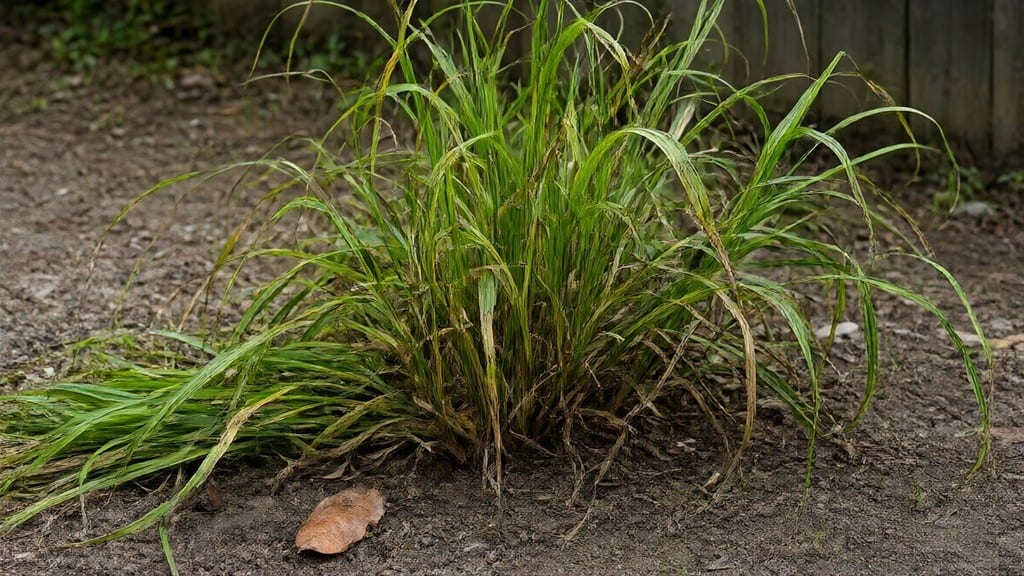
My lawn turned into a jungle of long grass that looked like weeds—until I discovered how strategic mowing height could transform it back to healthy turf. 🌱 The key isn’t just cutting it shorter; it’s understanding when and how to mow for long-term revival without shocking the grass or inviting weeds to take over.
Most people overdo it by mowing too short or too frequently, which weakens roots and lets weeds move in. Instead, I now keep my mower blade set to 3–4 inches in summer and 2–3 inches in cooler months.
This simple adjustment saves time on edging, reduces water needs, and keeps the grass thick enough to outcompete weeds naturally.
Within a few weeks, the grass greens up, grows denser, and crowds out those unsightly weed seedlings. You’ll notice fewer brown patches, stronger recovery after droughts, and a lawn that actually thrives—not just survives. The best part? This method works for both new lawns and neglected patches.
For stubborn weed patches, spot-treat with a mix of vinegar, dish soap, and water (1 gallon each) in a spray bottle—just be careful not to overspray your grass.
Timing matters: mow when weeds are actively growing, and always leave clippings to return nutrients to the soil. Your lawn will thank you.
The Hidden Triggers Behind Tall Grass
If your lawn is transforming into a wild, overgrown jungle of tall grass like weeds, it’s not just a lack of mowing—it’s often a mix of environmental, seasonal, and even human-made factors.
Understanding these triggers can help you take corrective action before your yard becomes a haven for pests, allergens, or unsightly patches. Let’s break down the science behind why grass grows tall and unruly.
###
🌱 1. Insufficient or Irregular Mowing
Grass grows fastest in the first 3–4 days after a mowing, thanks to a phenomenon called compensatory growth. When you skip mowing or cut too infrequently, the grass blades elongate rapidly to reach sunlight, creating that wild, unkempt look.
The one-third rule applies here: removing more than one-third of the grass blade at once stresses the plant, leading to uneven regrowth and thinner turf.
- Why it happens: Grass blades have a leaf collar that regulates growth. When cut too short or sporadically, the plant diverts energy to recover instead of spreading laterally.
- Actionable fix:
- Stick to a weekly mowing schedule (or biweekly in slow-growth seasons).
- Adjust your mower height to never remove more than ⅓ of the blade at once.
- Use a sharp mower blade—dull blades tear grass, inviting disease and uneven regrowth.
###
🌞 2. Overabundant Sunlight and Heat Stress
Paradoxically, too much sun can turn your lawn into a patchy, tall-grass mess. When grass is exposed to intense sunlight—especially during droughts—it enters a survival mode called etiolation. The blades stretch upward to maximize light absorption, but the roots struggle to keep up, weakening the plant.
- Why it happens:
- Grass species like Kentucky bluegrass and fescue go dormant in extreme heat, slowing growth but causing blades to elongate instead of thickening.
- Shade-loving grasses (e.g., fine fescue) may bolt (send up tall seed stalks) when suddenly exposed to full sun after pruning nearby trees.
- Actionable fix:
- Water deeply 1–2 inches per week (early morning) to reduce heat stress.
- Mow higher in summer (3–4 inches) to protect roots and retain moisture.
- Consider shade-tolerant grasses if your yard has patchy sunlight.
###
💧 3. Poor Watering Habits
Watering too much or too little can both contribute to tall, weak grass. Overwatering leads to lush but leggy growth (think: soft, floppy blades), while underwatering causes grass to stretch toward moisture sources, creating uneven heights and bare spots.
| Issue | Cause | Grass Response |
|---|---|---|
| Overwatering | Frequent light watering (e.g., daily sprinklers) | Blades grow tall and thin; roots stay shallow. |
| Underwatering | Infrequent deep watering (e.g., once a week) | Grass bolts or develops uneven heights. |
| Inconsistent watering | Skipping days or using uneven sprinkler coverage | Patchy growth with tall clumps near water sources. |
Actionable fix:
- Water deeply 2–3 times per week (early morning) for 30–45 minutes per session.
- Use a rain gauge or soil moisture meter to avoid guesswork.
- Adjust sprinklers to cover the entire lawn evenly—check for dry spots.
###
🌿 4. Nutrient Imbalances in Soil
Grass needs a balance of nitrogen (N), phosphorus (P), and potassium (K) to grow thick and short. Too much nitrogen without proper P/K leads to fast, vertical growth (think: fertilizer burn), while deficiencies cause weak, stretched-out blades.
- Why it happens:
- Excess nitrogen (from over-fertilizing) promotes leafy top growth but weakens roots.
- Low potassium reduces the grass’s ability to regulate water uptake, leading to floppy, tall blades.
- Compacted soil (from foot traffic or heavy equipment) restricts root growth, forcing grass to reach upward.
- Actionable fix:
- Test your soil with a DIY kit or lab test to identify deficiencies.
- Apply a balanced fertilizer (e.g., 16-4-8) in early spring and fall.
- Aerate compacted soil in late summer/early fall to improve root depth.
###
🐛 5. Pest and Disease Pressure
When grass is under attack by grubs, chinch bugs, or fungal diseases, it diverts energy to repair damage instead of growing uniformly. This often results in uneven heights, where healthy patches grow tall while stressed areas stay short.
- Why it happens:
- Grubs (larvae of beetles) eat roots, causing grass to yellow and stretch as it searches for nutrients.
- Chinch bugs suck sap from blades, leading to brown, brittle patches that grow slower than surrounding grass.
- Fungal diseases (e.g., dollar spot) create thin, weak spots that recover slowly, making the lawn look patchy.
- Actionable fix:
- Inspect for pests by lifting a small section of sod—look for grubs or bugs.
- Apply organic or chemical treatments (e.g., neem oil for bugs, fungicides for diseases) as needed.
- Improve air circulation by thinning dense grass or trimming overhanging branches.
By tackling these root causes—whether it’s mowing habits, watering routines, or soil
Quick Fixes for Overgrown Lawn Turf
Overrun by tall, wild-looking grass? 🌱 Don’t panic—restoring a lush, healthy lawn is easier than you think. Below, we break down practical solutions tailored to the root causes of unruly grass, from poor mowing habits to soil neglect.
Each fix is designed to be fast, effective, and sustainable, so you can reclaim your yard without breaking the bank.
🔥 When Grass Grows Too Tall: Adjust Your Mowing Game
If your lawn resembles a meadow more than a manicured yard, the issue is likely overgrowth from infrequent or improper mowing. Here’s how to tame it:
🍳 Step 1: Trim It Down Gradually (Don’t Shock the Grass!)
- Never cut more than ⅓ of the grass blade at once—this stresses the plant and can expose soil to weeds.
- First mow: Set your blade to 3–4 inches and trim just enough to reduce height by about 1 inch. Bag the clippings to avoid thatch buildup.
- Second mow (3–5 days later): Lower the blade to your ideal height (2–3 inches for most grasses) and mow again. This prevents scalping and shock.
👨🍳 Step 2: Set a Consistent Mowing Schedule
- Mow weekly during peak growing seasons (spring and summer). If grass grows faster, mow every 5–7 days.
- Use sharp mower blades—dull blades tear grass, leading to brown tips and weak recovery. Sharpen blades every 10–15 hours of use.
🌱 Step 3: Raise the Blade for a Healthier Lawn
- Longer grass = deeper roots and better drought resistance. Adjust your mower to 3–4 inches in summer and 2.5–3 inches in cooler months.
- Never mow when grass is wet—this clumps clippings and can spread disease.
🌡️ When Soil or Water Issues Cause Weedy Growth
If your lawn is struggling despite regular mowing, poor soil or watering habits might be the culprit. Fix these underlying problems:
💡 Test Your Soil & Amend as Needed
- DIY soil test: Purchase a $10 home test kit (or send a sample to a local extension office for ~$20).
- Common fixes:
- Compacted soil? Aerate in spring/fall with a manual core aerator or rent a machine.
- Low nutrients? Apply a slow-release fertilizer (like 16-4-8) in early spring and fall.
- pH too high/low? Use sulfur (to lower pH) or lime (to raise pH) based on test results.
🎯 Water Deeply but Infrequently
- Water 1–1.5 inches per week, splitting into 2–3 sessions (early morning is best).
- Avoid daily light watering—this encourages shallow roots and weeds.
- Check for runoff: If water pools, your lawn needs better drainage (consider sand top-dressing or aeration).
✨ Preventing Future Overgrowth: Long-Term Strategies
Once your lawn is back in shape, keep it thriving with these proactive steps:
🌿 Choose the Right Grass for Your Climate
- Cool-season grasses (Kentucky bluegrass, fescue) thrive in northern regions.
- Warm-season grasses (Bermuda, Zoysia) do better in southern climates.
- Native grasses often require less water and maintenance—check what grows best in your area!
🔪 Dethatch & Overseed Annually
- Dethatch in early spring if your lawn has a thick layer of dead grass (use a rake or dethatching attachment).
- Overseed in early fall to fill bare spots and strengthen your lawn’s density.
🚫 Stay Ahead of Weeds
- Pre-emergent herbicide (applied in early spring) prevents crabgrass and other weeds.
- Manual removal: Pull weeds before they seed (wear gloves!).
- Vinegar spray (1 gallon vinegar + 1 oz dish soap) works for spot treatment on small weed patches.
📊 Quick-Reference Fix Guide
Need a fast solution? Here’s a cause-to-fix cheat sheet:
| Problem | Quick Fix | Prevention Tip |
|---|---|---|
| Grass grows too fast | Mow weekly at 3–4 inches | Sharpen blades, avoid scalping |
| Weedy, patchy lawn | Overseed + pre-emergent herbicide | Test soil, improve drainage |
| Brown, thin grass | Aerate + fertilize (slow-release) | Water deeply, 1–2x/week |
| Compacted soil | Core aeration + top-dress with sand | Walk on paths, avoid heavy foot traffic |
| Fungal disease (brown spots) | Reduce watering, fungicide if needed | Mow high, improve airflow |
Pro Tip: 💡 Mulch those clippings! Leaving grass clippings after mowing returns nitrogen to the soil—just avoid piles thicker than ½ inch.
With these steps, your lawn will go from "wild meadow" to "lush, low-maintenance oasis" in no time. 🌿✨ Ready to roll up your sleeves? Grab your mower and let’s get to work!
Frequently asked questions
Why does my grass grow so tall and look like weeds even when I mow regularly?
Uneven growth often happens when you remove too much of the grass blade at once (more than ⅓) or mow too infrequently. Grass grows fastest in the first 3–4 days after cutting, so skipping mowing lets it elongate rapidly. Also check your mower blade—dull blades tear grass instead of cleanly cutting it, leading to weak, uneven regrowth.
Is it okay to cut my lawn very short to stop it from looking like weeds?
No—cutting grass too short (below 2 inches) stresses the plant, weakens roots, and lets weeds move in. The ideal height is 3–4 inches in summer and 2–3 inches in cooler months. This keeps grass thick enough to outcompete weeds while protecting roots from heat and drought.
What’s the best way to fix a lawn that’s already overgrown and looks like weeds?
Start by mowing gradually—raise the blade to 3–4 inches and trim just 1 inch at a time over 2–3 sessions. Then adjust your schedule to mow weekly (or biweekly in slow seasons). For stubborn weed patches, spot-treat with a vinegar solution (1 gallon vinegar + 1 oz dish soap) or overseed bare spots in early fall.
Will leaving grass clippings after mowing make my lawn grow even taller?
No—clippings actually return nitrogen to the soil (acting like natural fertilizer) and help prevent weeds. Just avoid piles thicker than ½ inch to avoid thatch buildup. Mulching clippings is eco-friendly and reduces lawn waste while promoting healthier, denser grass growth.
How can I tell if my \"weedy\" grass is actually weeds or just tall grass?
True weeds (like crabgrass or dandelions) have broad leaves or distinct seed heads, while tall grass blades are narrow and uniform. Run your hand over the lawn—if you feel fine, grass-like blades, it’s likely just overgrown turf. If you see coarse, jagged leaves or flowers, those are weeds needing targeted removal.