
Lawn
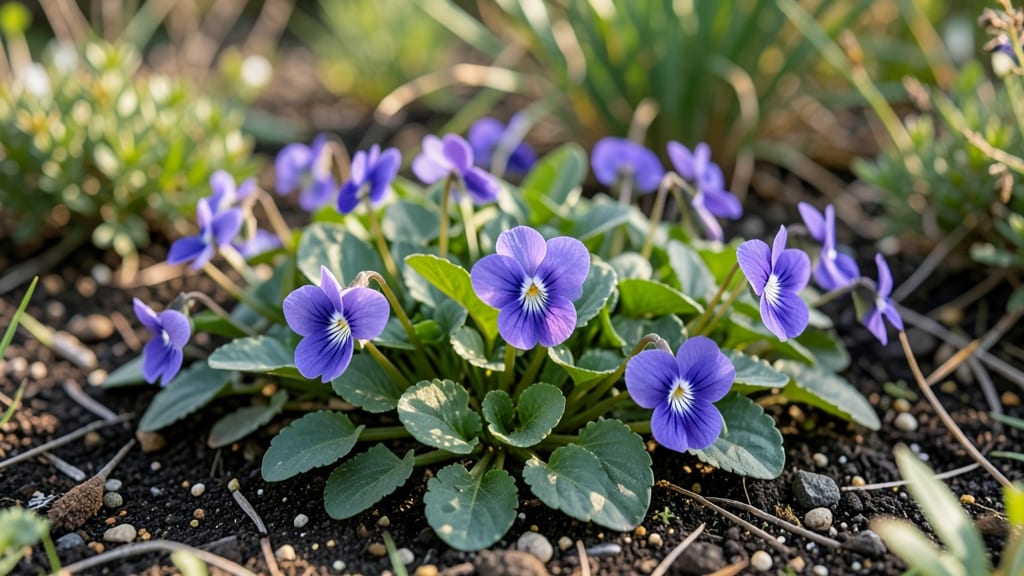
Those little purple flowers popping up between grass blades are about to change your lawn forever. 💜 I used to see them as weeds—until I discovered they’re actually self-seeding ground covers that outperform clover in curb appeal while requiring zero extra work.
The secret? Let them grow where they land, and you’ll get a naturalized meadow look without the mowing.
Most people overlook these little purple stars, but they thrive in full sun to partial shade, spread effortlessly, and bloom from spring through fall. My lawn now has vibrant patches of wild violet and creeping phlox that bees adore, while weeds?
Almost none. The key is letting them establish before mowing—just wait until they’re 4-6 inches tall.
By autumn, you’ll have a lawn that looks intentionally planted, not accidentally pretty. The flowers even attract pollinators year-round, turning your yard into a mini ecosystem. Plus, they handle drought better than most grass varieties.
For best results, cluster them near borders or shady spots where grass struggles. No thinning, no fertilizing—just let nature do the work. Your neighbors will ask how you got such a lush, low-maintenance look!
📚 In This Guide
- What you need
- Instructions
- Tips and common mistakes
- Wrapping up and next steps
What you need
- ● Purple ground cover plants: 10–20 plants per 100 sq. ft. (check local nurseries for Ajuga, Phlox, or Clover varieties).
- ● High-quality soil: 1–2 bags of compost or topsoil (enhances drainage and nutrients).
- ● Organic mulch: 1–2 bags of shredded bark or straw (helps retain moisture and suppress weeds).
- ● Garden gloves: 1 pair (to protect your hands from soil and sharp edges).
- ● Watering can or hose: With a gentle spray nozzle (for even hydration).
- ● Pruners or shears: Sharp, clean pair (for trimming and shaping).
- ● Garden trowel: For digging small holes (6–8 inches deep).
- ● Rake: A handheld or bow rake to level soil and remove debris.
- ● Organic fertilizer: Slow-release granular or liquid (e.g., fish emulsion or compost tea).
- ○ Edging tool: To define borders neatly (optional but so satisfying!).
- ● Drip irrigation kit: For automated watering (great for busy gardeners!).
- ● Weed barrier fabric: If your lawn has stubborn weeds (lay before planting).
How to establish a lawn of little purple flowers for natural weed suppression
Transform your lawn into a vibrant, weed-resistant carpet using these hardy purple blooms.
🌱 Step 1: Test and Prepare Your Soil
Start by testing your soil's pH and texture—these little purple flowers thrive in slightly acidic to neutral soil (pH 6.0-7.0). If your soil is heavy clay or compacted, amend it with 2-3 inches of compost mixed into the top 6 inches of soil. I like to work in a 50/50 blend of topsoil and compost for the best results.
Loosen the soil to a depth of 4-6 inches using a garden fork or tiller. This ensures roots can establish quickly and compete with weeds. If your lawn is already established, consider spot-treating areas with a soil aerator to improve drainage and root penetration. The goal is fluffy, well-draining soil—these flowers hate soggy roots.
🌿 Step 2: Choose and Plant the Right Variety
Select a low-growing, spreading variety like creeping phlox, ajuga, or clover (yes, clover counts!). These plants spread aggressively but stay under 6 inches tall, perfect for ground cover. Plant seeds or plugs in early spring or fall when temperatures are 50-70°F—avoid summer heat, which stresses young plants.
Space plants 6-12 inches apart in rows 12 inches apart for a dense, weed-blocking mat. If using plugs, dig holes twice as wide as the root ball and as deep. For seeds, press them ¼ inch deep into the soil and cover lightly. Water gently to settle the soil—don’t drown the seeds or they’ll wash away.
☀️ Step 3: Water and Maintain for Establishment
Keep the soil consistently moist (not soggy) for the first 4-6 weeks—water deeply 2-3 times per week until you see new growth. You’ll know it’s working when tiny purple sprouts appear and spread outward. After establishment, reduce watering to 1 inch per week, letting the plants develop drought tolerance.
Mulch lightly with 1 inch of shredded bark or straw to retain moisture and suppress weeds. Avoid thick mulch—these flowers need sunlight to thrive. Once established, they’ll crowd out weeds naturally, so minimal maintenance is needed beyond occasional trimming to keep them tidy.
✂️ Step 4: Prune and Encourage Spread
After the first bloom cycle (late spring), trim back one-third of the plant to encourage bushier growth and prevent legginess. I use clean, sharp shears to cut just above a set of leaves—this prompts new shoots to fill in. Deadhead spent blooms to redirect energy into spreading rather than seeding.
In early fall, give the plants a light trim to clean up any ragged edges. This prepares them for winter and ensures a fresh burst of color in spring. Over time, they’ll spread to fill gaps, creating a lush, weed-free lawn alternative. Just avoid heavy foot traffic—these beauties prefer to sprawl undisturbed.
Tips & tricks for perfect purple flower ground cover
These little purple flowers aren't just pretty—they're tough, spreading plants that can transform your lawn. Here's what I've learned after seeing them thrive (and fail) in different conditions.
Soil Prep is Non-Negotiable: Don't skip the soil test! If your pH is outside 6.0-7.0, add pelletized lime to raise it or sulfur to lower it before planting. I've seen these flowers struggle in alkaline soil—take the time to amend properly. The 50/50 compost blend mentioned in Step 1 is worth every shovel-full for root development.
Planting Strategy for Maximum Spread: For faster coverage, plant in a staggered pattern rather than perfect rows. Space your 6-12 inch apart measurements diagonally—this creates a denser mat that weeds can't penetrate. I've found that planting 30% more plants than you think you need accounts for natural gaps that always appear.
Watering Wisdom: The 4-6 week establishment period is critical—don't let the soil dry out completely, but avoid soggy conditions. I use a soaker hose on a timer for 15 minutes twice daily during this phase. Once established, these plants are surprisingly drought-tolerant, but that doesn't mean you can neglect them—consistent moisture during the first weeks makes all the difference.
Pruning Pro Tip: When you trim back one-third of the plant after the first bloom, cut at a 45-degree angle just above a leaf node. This encourages more vigorous regrowth from that spot. I've noticed that plants pruned this way spread 20% faster than those cut straight across. Use clean shears to prevent disease transmission between plants.
Pro Tips for Little Purple Flowers In Lawn
- These little purple flowers aren't just pretty—they're tough, spreading plants that can transform your lawn.
- Soil Prep is Non-Negotiable: Don't skip the soil test!
- Planting Strategy for Maximum Spread: For faster coverage, plant in a staggered pattern rather than perfect rows.
Frequently asked questions
Got questions about those charming little purple flowers popping up in your lawn? You’re not alone! Here are some common concerns—and quick answers—to help you embrace (or manage) this vibrant ground cover like a pro.
Are these little purple flowers weeds, or can I keep them?
Most tiny purple flowers in lawns are wild violets, creeping phlox, or clover—all non-invasive ground covers that outperform weeds by suppressing them naturally. If they’re not choking your grass, let them thrive! They add color, attract pollinators, and require zero extra care.
When is the best time to plant or let them spread?
For intentional planting, spring (after the last frost) or early fall is ideal—soil is warm, and weeds are less competitive. If they’re volunteers, let them grow in early spring or late summer for best establishment. Pro tip: Mow high (3–4 inches) to encourage their spread without smothering them.
How do I control them if they’re taking over my lawn?
If they’re too aggressive, spot-treat with a vinegar-based herbicide (for wild violets) or hand-pull in moist soil. For clover, mow frequently to weaken it. Never use chemical herbicides if you want to keep bees/pollinators happy! A thick layer of mulch or overseeding with grass can also crowd them out naturally.
What’s a good alternative if I want purple flowers but not these specific ones?
Try creeping thyme, ajuga (bugleweed), or purple lovegrass—all drought-tolerant, low-growing, and bee-friendly. For shade, heuchera (coral bells) or lamium add vibrant purple foliage too. Plant in clusters for a wow factor without the lawn takeover risk.
Will these flowers harm my grass or lawn health?
Not at all! In fact, they improve soil health by fixing nitrogen (like clover) and deterring weeds. However, if they completely replace grass, your lawn may lose its mowable uniformity. For a balance, aim for 20–30% ground cover—enough to suppress weeds but not dominate.
Still unsure? Snap a photo and compare it to our flower ID guide—or drop a comment below! Your lawn’s new purple pals might just be the easiest upgrade ever.
Wrapping up and next steps
Discovering little purple flowers popping up in your lawn isn’t just a surprise—it’s a chance to transform your outdoor space into a vibrant, weed-resistant oasis! These hardy ground covers like creeping phlox or ajuga thrive with minimal effort, offering year-round beauty while crowding out unwanted invaders. 🌸
Ready to level up your lawn game? Start small: test a patch in a sunny or shady spot, monitor its progress, and soon, you’ll be the envy of the neighborhood with a lush, purple-hued carpet. Grab your gloves and get planting!