
Plants
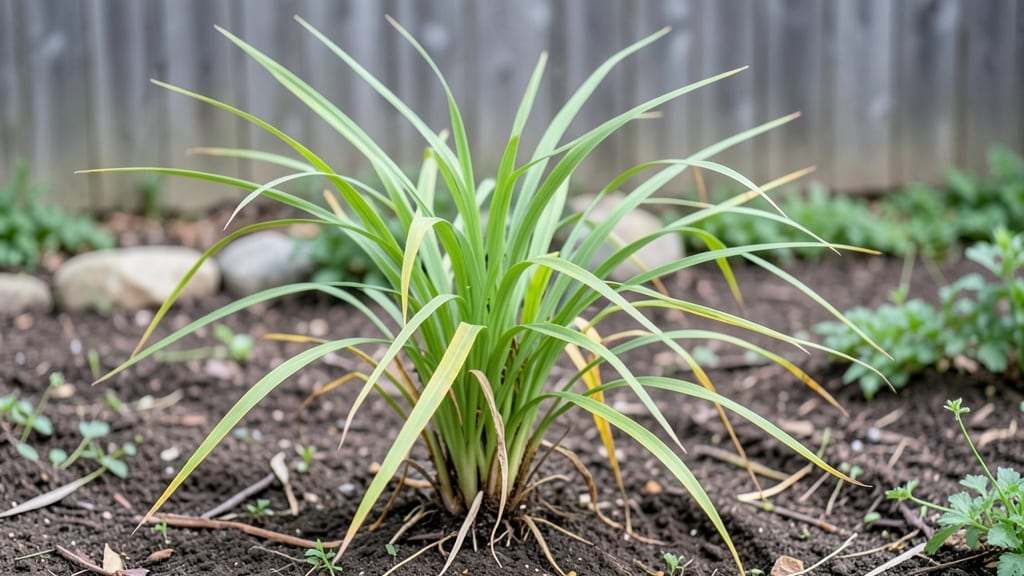
Mastering the growth of lemon grass fast means knowing the right tricks—like rooting cuttings in water or soil for quick harvests in just 60 days.
Struggling to keep your lemon grass thriving year-round? Discover the fastest, most reliable propagation methods to grow this fragrant culinary staple—whether from store-bought stalks, seeds, or cuttings—with expert tips for optimal harvests.
This fragrant herb thrives in USDA Zone 6a and loves spring planting (April–May) with full sun and consistent moisture. The key is patience—it takes 60–90 days to reach harvest, but the payoff is worth it.
Here’s how to skip the guesswork: from soil prep to pruning, I’ll walk you through every step to get your lemon grass growing stronger and faster than ever.


How to grow lemon grass from cuttings: the fastest propagation method
If you've ever bought a bunch of lemon grass at the grocery store and wondered how to grow more at home, you're in luck! Propagating from cuttings is the fastest and most reliable method—no seeds or expensive plants required.
This technique works year-round in warm climates and can even be adapted for indoor growing. The best part? You’ll have fresh lemon grass ready for harvest in just 2-4 weeks, depending on your conditions.
I’ve successfully rooted lemon grass cuttings in both water and soil, and I’ll share my proven steps to ensure your cuttings thrive. Whether you’re dealing with slow growth, rot, or just want to maximize your success rate, this guide covers everything. Grab your pruners, and let’s get growing!
Choose mature lemon grass stalks that are at least 12 inches tall with a firm, woody base. Look for stalks with 3-4 leaves and no signs of pests or disease. Avoid cuttings with yellowing or mushy bases.
Use a clean, sharp knife or pruners to cut the stalks 1-2 inches below the base. Remove the lower 1-2 inches of leaves to expose the nodes (the bumps where roots will form). This step encourages faster root growth.
You have two options: water propagation (faster to see roots) or soil propagation (more stable for long-term growth). For water, place the cuttings in a jar with 2-3 inches of water. For soil, use a well-draining potting mix with perlite or sand.
Place your cuttings in a spot with bright, indirect light (avoid harsh direct sunlight, which can scorch). Maintain a warm temperature between 70-85°F. If rooting in water, change it every 2-3 days to prevent bacteria.
For water propagation, roots should appear in 1-2 weeks. Once they reach 1-2 inches long, your cutting is ready to transplant. If rooting in soil, gently tug the cutting after 3 weeks—if resistance is felt, roots have formed!
Fill a 6-inch pot with well-draining soil mixed with compost. Plant your rooted cutting 1-2 inches deep, ensuring the nodes are buried. Water lightly and place it in partial shade for a week to help it acclimate.
Once transplanted, keep the soil moist but not soggy. Gradually introduce full sun over 2 weeks. Fertilize lightly with a balanced 10-10-10 mix every 4-6 weeks during the growing season.
If your cuttings rot, reduce water or improve drainage. For slow growth, increase light or warmth. Yellow leaves? Check for overwatering or nutrient deficiency. Adjust care as needed to keep your lemon grass thriving!
One of the biggest mistakes I see is using old or diseased cuttings, which can lead to failed rooting. Always start with healthy, fresh stalks for the best results.
Another tip? If you’re rooting in water, avoid using tap water with high chlorine—let it sit out for 24 hours before using, or use filtered water instead.
Once your lemon grass cuttings are established, you’ll notice new growth within 2-4 weeks. At this stage, you can harvest the outer leaves while leaving the inner ones to keep growing.
This method ensures you’ll always have a steady supply of fresh lemon grass for cooking, teas, or homemade remedies.
Pro tip: If you’re growing lemon grass indoors, place it near a south-facing window to maximize sunlight exposure. A small grow light can also help if natural light is limited. Just remember, consistent moisture and warmth are key to keeping your plants happy and productive.
With this method, you’ll not only save money but also enjoy the satisfaction of growing your own lemon grass from scratch. Plus, you can share cuttings with friends or expand your garden as much as you’d like! Happy growing!
Lemon grass growth stages: what to expect from seed to harvest
Watching lemon grass grow from a tiny seed to a towering, fragrant plant is incredibly rewarding. Understanding each growth stage helps you provide the right care at the right time. From delicate sprouts to mature stalks, each phase has unique needs that determine whether your plant thrives or struggles.
Let’s break down what to expect at every step so you can nurture your lemon grass like a pro.
Lemon grass begins its life as a seed or cutting, but its journey to harvest involves distinct phases: germination, vegetative growth, and maturity. Each stage requires specific conditions—like sunlight, water, and soil quality—to ensure healthy development.
Knowing these stages helps you troubleshoot issues like slow growth, yellowing leaves, or weak stalks before they become serious problems.
Stage
Timeframe
Key Characteristics
Care Tips
Germination
7-14 days
Small sprouts emerge; leaves unfold
Keep soil moist, provide warmth (70-80°F), and ensure indirect light.
Vegetative Growth
4-8 weeks
Rapid leaf growth; stems thicken
Move to full sun, water deeply 2-3x/week, and fertilize lightly with balanced NPK.
Maturity
3-6 months
Tall stalks (3-6 ft); strong citrus aroma
Prune outer leaves regularly, maintain consistent moisture, and watch for pests like aphids.
The germination stage is the most delicate, where seeds or cuttings need precise conditions to sprout. If your soil stays too dry or cold, germination can stall. I recommend using a seedling heat mat to maintain warmth and covering the tray with plastic wrap to retain humidity.
Once sprouts appear, thin them to 2 inches apart to prevent overcrowding.
During vegetative growth, lemon grass shoots up quickly, demanding more sunlight and nutrients. This is when you’ll notice the iconic long, slender leaves forming. If your plant looks leggy or pale, it’s a sign of light deficiency.
Move it to a sunnier spot immediately—lemon grass craves at least 6-8 hours of direct sunlight daily. Overwatering here can cause root rot, so let the top inch of soil dry between waterings.
When your lemon grass reaches maturity, you’ll see thick, woody stalks and a strong citrus scent. This is your cue to start harvesting! Cut stalks at the base, leaving 4-6 inches of growth to encourage regrowth.
Mature plants are hardier but still need regular care. Watch for yellowing leaves, which often signal overwatering or nutrient deficiency. A balanced fertilizer applied every 4-6 weeks keeps them thriving through the growing season.
Knowing these stages helps you anticipate challenges, like slow growth in shady spots or pests in humid climates. With the right care, your lemon grass will reward you with lush, aromatic stalks ready for harvest in as little as 3 months. Happy growing!