
Plants
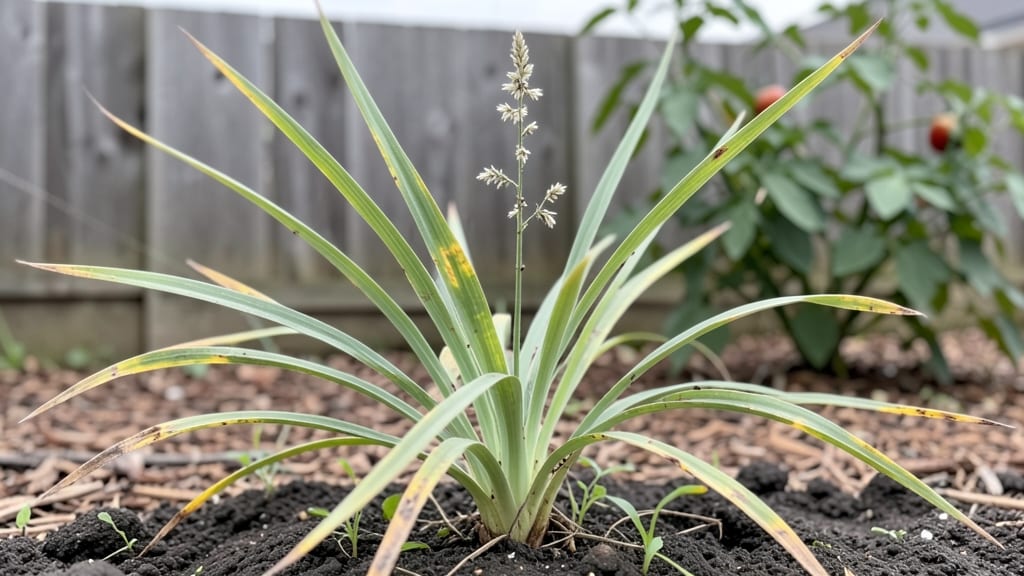
Growing a lemon grass flower 🌿 is easier than you think—and the fragrant blooms make it worth every effort.
Imagine a fragrant garden that blooms year-round with delicate lemon grass flowers—its citrusy scent and vibrant blooms can transform any outdoor space into a tropical paradise. But achieving this beauty requires precise care tailored to its unique needs.
Most gardeners assume lemon grass is just for cooking, but its striking purple or white flowers add a tropical touch that lasts from late summer through fall. With the right soil, sunlight, and watering routine, you can coax yours to bloom reliably every season.
In this guide, I’ll walk you through the exact steps to encourage healthy growth, troubleshoot common issues, and keep your lemon grass flowering like a pro—no green thumb required.
Lemon grass flower varieties and their unique growing conditions
Lemon grass flowers aren't just ornamental—they're fragrant powerhouses that thrive when given the right conditions. The two most popular varieties, Cymbopogon citratus (common lemon grass) and Cymbopogon nardus (citronella), each demand slightly different care.
Understanding their native climates helps replicate their ideal growing environments in your garden. Both originate from tropical regions but adapt well with proper adjustments.
These varieties share similar care needs but have distinct characteristics. Cymbopogon citratus produces delicate white or pale purple flowers with a subtle citrus scent, while Cymbopogon nardus offers more robust blooms with stronger fragrance.
Their growing conditions—like humidity levels and soil drainage—directly impact bloom quality and plant health. Let’s break down what each needs to flourish.
Native climates are critical for success. Cymbopogon citratus thrives in USDA Zones 9-11 but can survive in cooler zones with winter protection. Cymbopogon nardus, often used for citronella oil, prefers Zones 10-12 and struggles in frost-prone areas. Replicating their tropical environments—warmth, high humidity, and well-draining soil—is key to encouraging blooms.
Here’s a quick comparison of their core growing needs to help you choose the right variety for your climate and garden goals:
For sunlight, both varieties demand full sun exposure—at least 6 hours daily—to produce vibrant blooms. Place them in the sunniest spot in your garden, like near a south-facing fence or patio.
In cooler climates, extend their growing season with greenhouse protection or container gardening for easy winter relocation.
Humidity plays a pivotal role in their success. Low humidity causes brown leaf tips and stunted growth, while high humidity mimics their tropical roots. Use a humidifier indoors or create a microclimate outdoors with mulch and drip irrigation.
If you live in a dry climate, group plants together to boost ambient moisture.
Soil preferences are equally critical. Both varieties prefer well-draining soil to prevent root rot. Amend heavy clay soil with compost or perlite to improve aeration. A slightly acidic pH (6.0-7.0) works best, but they tolerate neutral soil if drainage is adequate.
Avoid soggy conditions—these plants hate wet feet and will bolt or decline quickly.
Watering strategies must balance their tropical needs with your local climate. Deep watering once weekly is ideal, but adjust for heat: water every 3-4 days in summer and reduce to bi-weekly in winter.
Always water at the base of the plant to keep leaves dry and prevent fungal diseases like leaf spot. A 5-gallon container with drainage holes works well for patio gardens.
To encourage continuous blooming, fertilize lightly every 6-8 weeks during the growing season with a balanced 10-10-10 fertilizer. Avoid over-fertilizing, which can lead to leafy growth at the expense of flowers.
Prune spent blooms regularly to redirect energy into new growth. With these conditions met, your lemon grass flowers will reward you with year-round fragrance and beauty.
🌿
Step-by-step guide to pruning and encouraging continuous lemon grass flower blooms
Encouraging your lemon grass to produce continuous flowers starts with understanding its natural growth cycle. Many gardeners overlook the delicate balance between pruning, fertilizing, and seasonal adjustments—key factors that determine whether your plant will reward you with fragrant blooms or wilt into dormancy.
With the right techniques, you can extend the flowering season and enhance the plant's citrusy fragrance year-round.
Lemon grass flowers may seem subtle, but their appearance signals a healthy, mature plant. The trick lies in timely pruning to stimulate new growth while preserving the plant's energy for blooming.
Combine this with a tailored watering schedule and nutrient-rich soil, and you’ll create the perfect conditions for prolonged flowering. Let’s dive into the step-by-step process to transform your lemon grass into a fragrant, blooming beauty.
How to Prune and Encourage Lemon Grass Flower Blooms
-
Step 1: Identify the Right Time to Prune
Prune your lemon grass in early spring or after the first flush of flowers appears. Avoid heavy pruning in winter or during dormant periods, as this can stress the plant. -
Step 2: Use Sharp Pruning Shears
Always use sterilized, sharp pruners to make clean cuts. Dull blades can crush stems, inviting disease and reducing the plant’s ability to recover quickly. -
Step 3: Trim Dead or Yellowing Leaves
Remove any dry, brown, or yellow leaves from the base. This redirects energy to new growth and encourages healthier flowering stems. -
Step 4: Cut Back Flower Stems Selectively
Once flowers fade, trim the spent blooms back to 2-3 inches above the ground. This prevents seed production and promotes new flower growth later in the season. -
Step 5: Fertilize for Continuous Blooms
Apply a balanced fertilizer (10-10-10) every 4-6 weeks during the growing season. Focus on phosphorus-rich fertilizers in spring to boost flowering. -
Step 6: Adjust Watering for Seasonal Needs
Water deeply once a week in spring and fall, but increase to every 5-7 days in summer to support blooming. Avoid overwatering, which can rot roots. -
Step 7: Monitor for Pests and Disease
Watch for aphids or fungal spots on leaves. Treat with neem oil or insecticidal soap to keep your plant thriving and blooming.
Seasonal adjustments are crucial for maintaining your lemon grass’s flowering potential. In summer, increase watering and mulch around the base to retain moisture, while in winter, reduce watering and avoid fertilizing to let the plant rest. These small tweaks can make a huge difference in bloom longevity.
Don’t forget to harvest leaves sparingly—removing too many can weaken the plant and reduce its ability to flower. Aim to leave at least half the foliage intact to ensure continuous blooms. With patience and consistency, your lemon grass will become a fragrant, flowering centerpiece in your garden.
For extra fragrance, consider adding a light layer of compost around the base in spring. This boosts soil nutrients and encourages vibrant, aromatic blooms that’ll fill your garden with a tropical scent all season long. 🌿