
Plants
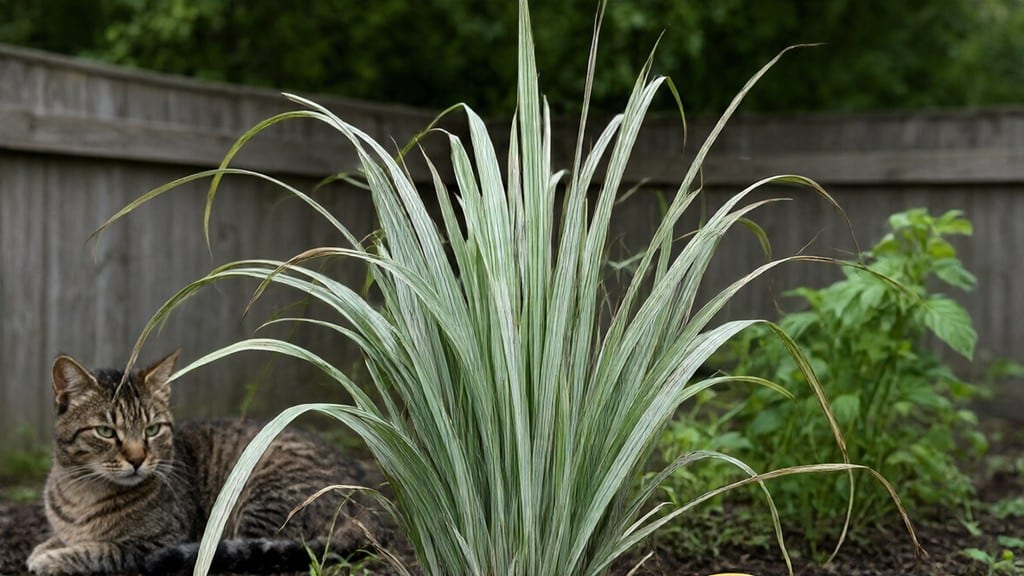
Lemon grass is extremely dangerous for cats because its essential oils trigger symptoms like excessive drooling, vomiting, and liver toxicity. Keep this plant out of reach and replace it with safer options like catnip or wheatgrass.
Lemon grass contains compounds like citral and geraniol, which cats can't metabolize safely.
Even small exposures through sniffing, chewing, or residual oils can lead to serious health issues. 🐾 I've seen cases where cats developed lethargy or respiratory distress after inhaling lemon grass essential oils—always err on the side of caution with feline-friendly alternatives.
For a worry-free home, consider cat grass (wheatgrass) or valerian root, which many cats find stimulating without the risks. These alternatives provide mental enrichment while being completely non-toxic. Introduce new plants gradually to avoid digestive upset in sensitive cats.
💡 In This Article
- Toxicity in Lemon Grass for Cats Explained
- Safe Cat-Friendly Plants for Fresh Herbs at Home
Toxicity in lemon grass for cats explained
The danger for cats lies in lemon grass's volatile essential oils, particularly citral and geraniol. These compounds are metabolized very differently in cats than in humans. A cat's liver lacks the enzymes to process these oils efficiently, causing them to accumulate and trigger toxic reactions.
Even small amounts—like a sniff of fresh lemon grass or residual oils on your hands—can be problematic.
Citral, which gives lemon grass its signature citrus aroma, is particularly concerning. In concentrations as low as 0.05% (found in many commercial essential oils), it can cause immediate symptoms like excessive drooling and gastrointestinal upset.
Geraniol, another key compound, has been linked to more severe reactions, including liver damage when ingested repeatedly. What makes this especially insidious is that cats often explore plants through scent first—making inhalation just as dangerous as ingestion.
Cats are vulnerable because their bodies process certain compounds through a different metabolic pathway than ours. Their livers rely on a process called glucuronidation, which struggles with the aldehydes found in lemon grass oils.
This metabolic inefficiency means even small exposures can lead to toxic buildup over time. Symptoms typically appear within 6-12 hours of exposure and may include lethargy, vomiting, or even respiratory distress in severe cases.
Exposure can happen in multiple ways: direct ingestion of fresh or dried lemon grass, inhalation of essential oils (even diffused in another room), or contact with residue on surfaces.
For example, if you handle lemon grass while cooking, the oils can transfer to your hands and then to your cat during petting. This is why many cat owners report symptoms after introducing new kitchen herbs—what seems like a harmless garnish can become a health hazard.
Here's what the science shows about symptom progression: Mild exposure (sniffing or licking) often causes drooling and pawing at the mouth, while moderate exposure (chewing stems) leads to vomiting and diarrhea. Severe cases from concentrated oils or large ingestions can result in liver enzyme elevation, requiring veterinary intervention.
The ASPCA reports that lemon grass falls into their Category 3 toxicity level, meaning it can cause mild to moderate illness.
What most people don't realize is how persistent these oils are. Even dried lemon grass retains potency for months, and essential oils can linger in fabrics or air for days. This persistence means your cat could be at risk long after you've removed the plant.
The safest approach is complete avoidance—especially for cats with pre-existing liver conditions or those prone to curious nibbling.