
Lawn
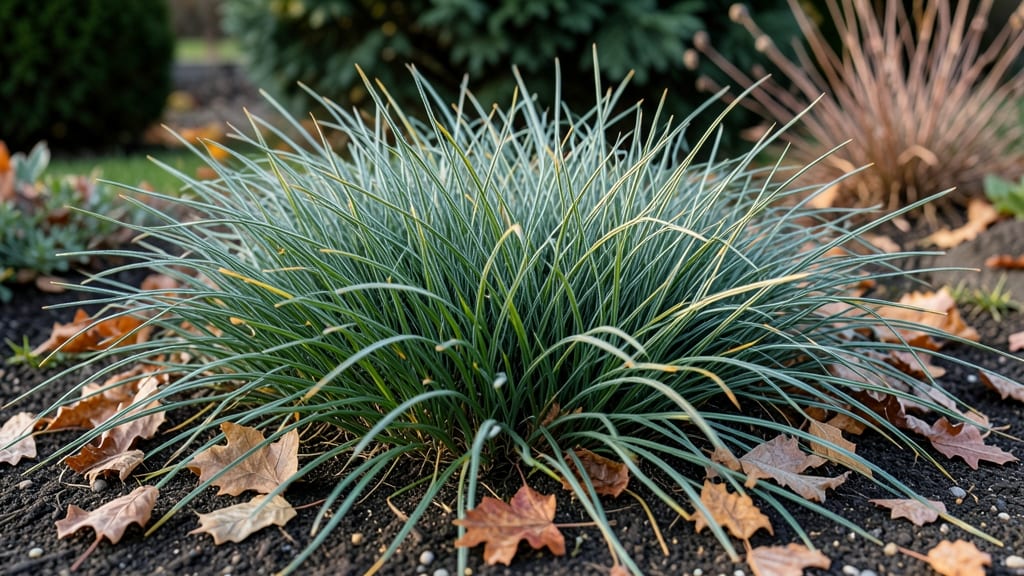
Leaving leaves on lawn acts as natural mulch, enriching soil with nutrients while protecting grass roots from winter cold and retaining moisture. However, thick layers can smother grass and attract pests, requiring strategic management based on leaf type and lawn health.
When you leave fallen leaves on your lawn, you're essentially creating a natural ground cover that mimics what happens in forests—where leaf litter slowly breaks down to nourish the soil. 🌿 This process releases vital nutrients like nitrogen and potassium over time, which grassroots absorb during their growing season.
The challenge comes with leaf thickness: while a thin layer (under 1 inch) can be beneficial, thicker piles block sunlight and trap moisture, creating ideal conditions for fungal growth or rodent nests.
I've found that finely shredded leaves work best—they decompose faster and blend into the grass more naturally than whole leaves.
Your grass type matters too. Cool-season grasses like fescue handle leaf cover better in winter, while warm-season grasses such as Bermuda prefer leaves removed before summer heat. A quick test: if you can see the grass blades through the leaves, it's safe to leave them.
For thick layers, use a mulching mower or rake them into piles to speed decomposition. This approach gives you the best of both worlds—soil enrichment without the risks.
💡 In This Article
- How Mulched Leaves Boost Soil Fertility
- When to Rake vs Leave: Lawn-Specific Guidelines
How mulched leaves boost soil fertility
When leaves decompose on your lawn, they trigger a natural process called nitrogen cycling. As microbes break down the cellulose and lignin in leaves, they convert organic matter into nutrients like nitrogen, phosphorus, and potassium—key elements that feed grass roots.
Shredded leaves decompose about 40% faster than whole leaves because their increased surface area exposes more organic material to soil microbes and moisture. This process releases nutrients gradually over 3-12 months, depending on leaf type and climate conditions.
The texture of leaves matters too. Oak leaves, for example, contain high levels of tannins that decompose slowly, while maple leaves break down more quickly. A 1-inch layer of shredded leaves can improve soil organic matter by 2-5% annually, enhancing water retention and root growth.
The best time to leave leaves is fall through early winter, when cool temperatures slow decomposition and allow nutrients to accumulate in the soil until spring growth begins.
This natural mulching also regulates soil temperature. During winter, leaves act like a blanket, protecting grass roots from freeze-thaw cycles that can damage cell walls. In summer, they provide shade that reduces water evaporation by up to 30% compared to bare soil.
The key is balance—a ½-inch layer is ideal for most lawns, while thicker layers risk creating anaerobic conditions that produce foul odors and attract pests.
What most people don't realize is how leaf decomposition affects soil structure. As leaves break down, they create pore spaces that improve aeration and drainage. This is especially valuable in clay soils, where organic matter helps loosen compacted layers.
However, leaves high in wax (like pine needles) decompose more slowly and may alter soil pH over time, making them less ideal for nutrient cycling.
For maximum benefits, consider these seasonal strategies: In fall, mulch leaves with a lawn mower to create fine particles. In spring, lightly rake decomposed leaves into the soil to incorporate nutrients. This two-step approach gives you the soil enrichment benefits without the risks of thick leaf layers.