
Lawn
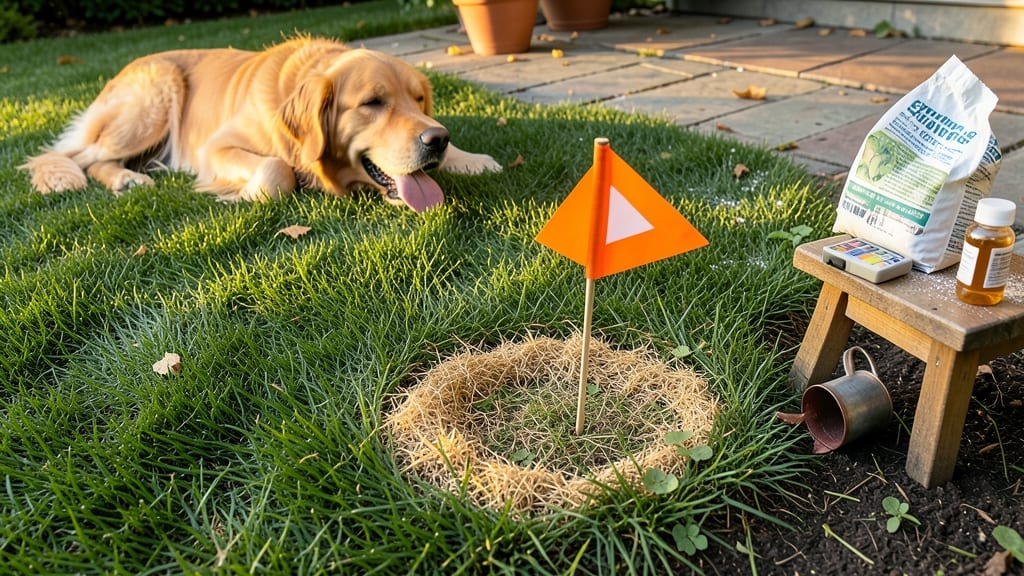
Dog urine can burn grass (lawn) 🌱 faster than you can say "potty break," turning vibrant green patches into yellowed, patchy eyesores.
You’re not alone if this has happened to you—it’s a common struggle for pet owners trying to keep a lush yard. The problem isn’t just the mess; it’s the science behind it.
High ammonia levels and pH spikes from urine create a double whammy that stresses grass roots, leaving behind dead zones that seem permanent.
But here’s the good news: the damage isn’t irreversible. With the right fixes—like diluting urine spots, choosing resilient grass types, or adjusting your dog’s potty habits—you can restore your lawn to its former glory.
Below, I’ll walk you through fast, science-backed solutions that work without sacrificing your furry friend’s freedom.
Whether you’re dealing with a few yellow patches or a full-blown urine war zone, these strategies will help you reclaim a green, healthy lawn while keeping your dog happy and your yard thriving.
Why dog urine burns lawns: the science behind the damage
If you've noticed brown patches appearing where your dog frequently urinates, you're not alone. The culprit is the high ammonia concentration in fresh dog urine, which acts like a chemical burn on grass blades.
This isn't just a minor annoyance—it's a real pH imbalance that disrupts your lawn's health at a cellular level.
When dogs urinate, their waste contains ammonia (NH₃) and urea (CO(NH₂)₂), both of which break down into nitric acid (HNO₃) when they hit the soil. This acidic reaction creates a pH shock that can kill grass roots and blades within hours.
The damage varies based on grass type, soil composition, and even your dog's diet and breed size.
The severity depends on several factors. Cool-season grasses like Kentucky Bluegrass or Fescue are more sensitive than warm-season varieties like Bermuda or Zoysia. Sandy soils drain quickly, reducing damage, while clay-heavy soils trap the acidic compounds longer.
Even your dog's breed size matters—larger dogs produce more concentrated urine, causing worse burns.
Here's how the damage progresses: First, the ammonia burns grass blades, creating straw-like brown patches. Then, the acidic soil weakens roots, making the area vulnerable to drought and weeds. Over time, this creates bare spots that spread if not treated properly.
The pH imbalance is particularly damaging because grass thrives in a neutral pH range (6.0-7.0). Dog urine can drop soil pH to 4.0 or lower in affected areas, creating an environment where grass simply can't survive.
This is why some lawns develop permanent brown patches if the urine damage isn't addressed.
| Factor | Effect on Lawn | Damage Level |
|---|---|---|
| Ammonia Concentration | Burns grass blades within hours | High (immediate) |
| Soil pH Drop | Creates acidic environment (pH 4.0-5.0) | High (root damage) |
| Grass Type | Cool-season grasses most sensitive | Medium-High |
| Dog Breed Size | Larger dogs = more concentrated urine | Medium (varies) |
| Soil Type | Clay soils trap acids longer | High (persistent) |
| Frequency of Urination | Repeated urination = cumulative damage | High (ongoing) |
Interestingly, the damage isn't permanent if caught early. The ammonia burns dissipate within 24-48 hours, but the pH imbalance can linger for weeks. This is why some lawns recover on their own while others develop permanent damage.
The key difference is how quickly you address the soil chemistry after the urine hits.
Your dog's diet also plays a surprising role. Dogs fed high-protein diets produce urine with 2-3x more ammonia than those on balanced diets. This is because excess protein breaks down into urea, which converts to ammonia. Switching to a lower-protein kibble can significantly reduce lawn damage over time.
Even the time of year affects how bad the damage is. In summer months, hot weather accelerates the ammonia burn, while cooler temperatures slow the chemical reaction.
This is why some pet owners notice worse damage during late spring and early summer when both temperatures and protein intake are higher.
The good news is that understanding these factors gives you the power to prevent and repair the damage. By adjusting your dog's diet, choosing the right grass types, and implementing quick fixes for affected areas, you can maintain a healthy lawn even with a furry family member.
The science behind the burn also explains why some lawns recover faster than others—it's all about how quickly you can neutralize the pH and restore balance to the soil.
Step-by-step recovery plan for urine-damaged grass
Dog urine contains high concentrations of ammonia and nitrogen, which can quickly burn grass blades and disrupt soil pH. The good news? With the right approach, you can revive your lawn within weeks.
Start by addressing the immediate damage while preparing your soil for recovery. The key is acting fast—within 24-48 hours of noticing brown patches.
First, dilute the urine's concentration by watering the affected area deeply. Use a garden hose or sprinkler to apply 1-2 inches of water directly over the damaged spots. This flushes out excess ammonia and prevents further harm. For severe cases, repeat this process every few days until new growth appears.
Your Urine-Damaged Grass Recovery Plan
- 1 Dilute immediately: Water affected spots with 1-2 inches of water using a hose or sprinkler. Repeat every 2-3 days until recovery.
- 2 Test soil pH: Use a soil test kit to check pH levels. Aim for 6.0-7.0. If below 6.0, add pelletized lime (1 lb per 100 sqft).
- 3 Apply compost: Spread a ¼-inch layer of compost over damaged areas. This adds nutrients and improves soil structure. Work it into the top 2 inches of soil.
- 4 Over-seed bare spots: Choose a dog-friendly grass seed like tall fescue or clover. Spread seed evenly and cover lightly with straw mulch to retain moisture.
- 5 Fertilize lightly: Use a low-nitrogen fertilizer (10-0-10) to avoid overstimulating new growth. Apply in early spring or fall when grass is actively growing.
- 6 Train your dog: Designate a specific urine spot in your yard and train your dog to use it consistently. Dilute the area daily with water to minimize damage.
After diluting the urine, focus on soil amendments to create an environment where grass can recover. Test your soil's pH level—dog urine often lowers it, creating acidic conditions that stress grass. If your soil tests below 6.0, apply pelletized lime to raise the pH gradually.
For every 100 square feet, use 1 pound of lime, working it into the top 2 inches of soil.
To further boost recovery, spread a ¼-inch layer of compost over the damaged areas. Compost introduces beneficial microorganisms and nutrients like nitrogen, phosphorus, and potassium, which help grass blades regenerate.
Work the compost into the soil lightly to avoid disturbing new seedlings. For best results, apply compost in early spring or fall when temperatures are mild.
Once the soil is prepped, over-seed the bare patches with a dog-resistant grass variety. Options like tall fescue or creeping red fescue tolerate urine better than traditional lawn grasses. After seeding, cover the area with a light layer of straw mulch to protect seeds from drying out and birds.
Keep the soil consistently moist by watering early in the morning for 10-15 minutes daily until new grass reaches 2-3 inches tall.
Long-term prevention starts with proper lawn maintenance. Mow your grass at a higher setting (3-4 inches) to shade the soil and reduce urine damage. Regularly aerate compacted soil in spring or fall to improve drainage and root health.
Finally, consider adding a clover ground cover to high-traffic or urine-prone areas—clover thrives in nitrogen-rich soil and outcompetes weeds.