
Plants
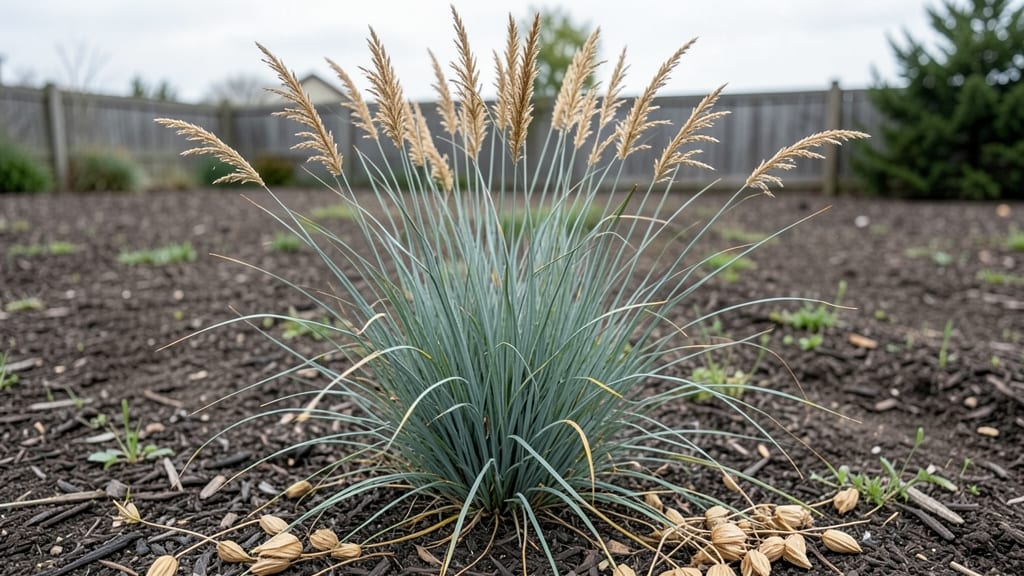
Adding Karl Foerster grass to your landscape delivers bold vertical drama that elevates any garden design with minimal effort.
Picture this: sleek, upright blades reaching 5 feet tall by midsummer, their golden-orange fall hues lighting up borders like a natural sculpture. Unlike fussy perennials, this grass thrives in full sun with almost no fuss—making it the perfect low-maintenance star for modern, cottage, or formal gardens alike.
Whether you’re framing a walkway, anchoring a mixed border, or creating a winter focal point, Karl Foerster grass brings year-round structure and seasonal color shifts. It pairs beautifully with coneflowers, hydrangeas, or even boxwood for a polished look that never needs dividing or heavy pruning.
Below, I’ll show you exactly where to plant it for maximum impact, which companion plants make it shine, and the three simple steps to keep it looking effortless all season long.
Why Karl Foerster grass stands out in modern landscape design
Karl Foerster grass (Pennisetum × glaucum 'Karl Foerster') is a landscape designer’s dream because it combines architectural structure with year-round interest. Unlike floppy ornamental grasses, its upright, rigid blades create clean vertical lines that anchor modern and contemporary gardens.
The golden-orange fall color and winter seed heads add drama when many perennials fade away.
This drought-tolerant grass thrives in USDA zones 5-9, making it versatile for urban courtyards, rural borders, or even container gardens. Its low-maintenance nature and fast growth rate (reaching 3-5 feet tall) make it a favorite for eco-friendly landscapes that require minimal upkeep.
Compared to other ornamental grasses, Karl Foerster grass offers a unique blend of height, texture, and seasonal color shifts that few can match. While Miscanthus provides feathery plumes and Pennisetum offers bushier forms, Karl Foerster’s tight, upright habit delivers a sleek, architectural look that elevates any design.
Here’s how it stacks up against other popular choices in a visual impact comparison:
| Feature | Karl Foerster Grass | Miscanthus sinensis | Pennisetum alopecuroides |
|---|---|---|---|
| Growth Habit | Upright, rigid | Arching, feathery | Bushy, mounding |
| Height (Mature) | 3–5 ft | 4–7 ft | 2–3 ft |
| Fall Color | Golden-orange | Bronze-purple | Straw |
| Winter Interest | Seed heads | Feathery plumes | Minimal |
| Drought Tolerance | High | Moderate | Moderate |
| Best For | Modern borders, containers | Feathery texture, tall screens | Low borders, cottage gardens |
Its tight clumping habit prevents it from spreading aggressively, unlike Miscanthus, which can become invasive. This makes Karl Foerster ideal for smaller spaces or urban gardens where containment is key.
The golden fall hues also provide a warm contrast to evergreens and cool-toned perennials, extending the garden’s seasonal appeal.
For modern landscapes, pair it with sculptural succulents or boxwood hedges to emphasize its clean lines. In contemporary designs, its vertical structure works beautifully alongside geometric planters or minimalist hardscapes. Even in cottage gardens, it adds height and texture without overwhelming delicate flowers.
One of its biggest advantages is its adaptability to various soil types, from sandy loam to clay-heavy gardens, as long as drainage is adequate. This versatility means it can thrive in city planters or rural meadows
Best planting combinations for Karl Foerster grass in gardens
Karl Foerster grass thrives when paired with complementary perennials and structural shrubs that enhance its vertical lines. Its architectural form works best in mixed borders or as a standalone specimen where its seasonal color shifts—from green to golden-orange—can truly shine.
For year-round interest, combine it with plants that offer spring blooms, summer foliage, and winter structure. The key is balancing textures and heights while ensuring all plants share similar sunlight and water needs to avoid competition.
-
🌻 Perennial Pairings:
- Coneflowers (Echinacea) – Purple blooms echo its golden tones in summer, adding 3-4 ft height contrast.
- Black-Eyed Susans (Rudbeckia) – Bright yellow flowers create a cheerful contrast while thriving in full sun.
- Russian Sage (Perovskia) – Silvery-blue foliage softens the grass’s bold lines and extends bloom time.
-
🌿 Shrub Companions:
- Hydrangeas (Bigleaf or Panicle) – Lush foliage and seasonal color shifts mirror the grass’s golden fall hues.
- Boxwood (Buxus) – Compact evergreens provide year-round structure and 3 ft height contrast.
- Dwarf Ninebark (Physocarpus) – Peeling bark adds winter interest while keeping a 3-4 ft spread.
-
🌼 Seasonal Accents:
- Spring Bulbs (Daffodils, Tulips) – Early blooms pop against the emerging grass in March-April.
- Fall Asters (Symphyotrichum) – Purple-pink blooms extend the autumn season with 3-5 ft height.
- Winter Interest (Ornamental Grasses like Carex) – Textural contrast keeps the garden dynamic even in dormant months.
When designing around Karl Foerster grass, prioritize layered planting to create depth. Place tall perennials like coneflowers behind it, medium shrubs like hydrangeas beside it, and low-growing bulbs in front to frame its vertical presence.
For containers, pair it with compact perennials like lavender or sedum to keep the arrangement balanced. Just ensure the container has drainage holes and a minimum 12-inch depth for healthy root growth.
In modern landscapes, use Karl Foerster grass as a focal point near patios or walkways, where its upright form draws the eye. For cottage gardens, weave it into wildflower meadows for a natural, textured look that thrives with minimal intervention.
Finally, don’t overlook its winter appeal. The tan seed heads provide structure and texture when most gardens go dormant—making it a year-round workhorse that never disappoints.