
Light Requirements
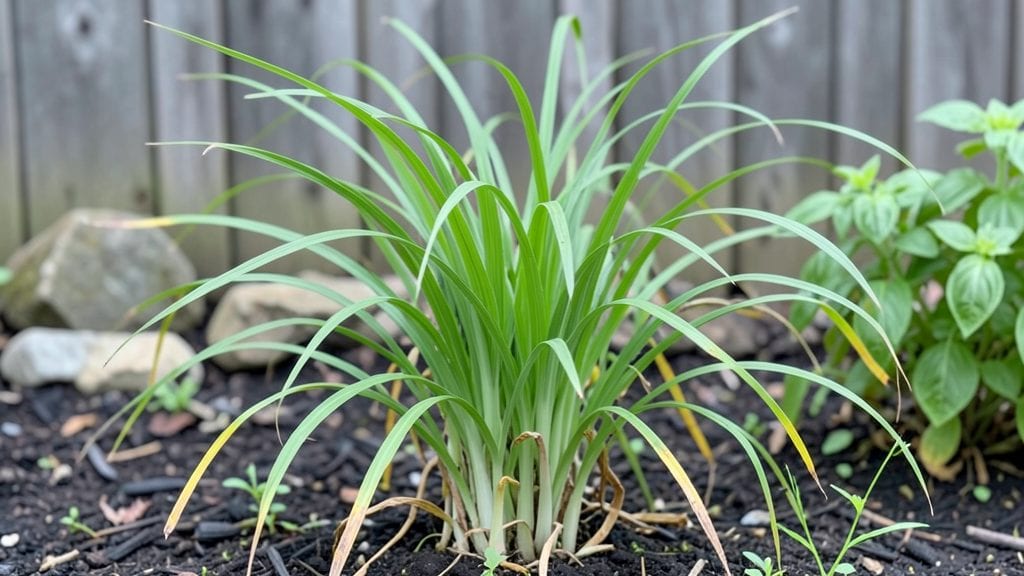
Lemon grass thrives in full sun but tolerates partial shade, especially in hot climates where afternoon shade helps prevent leaf scorch. Aim for 6-8 hours of direct sunlight daily for optimal growth and essential oil production.
Full sun exposure is non-negotiable for robust lemon grass growth, but the key lies in balancing intensity with climate conditions. 🌞 In tropical regions, afternoon shade prevents the delicate leaves from crisping under intense afternoon rays, while temperate zones can handle more consistent sun.
I’ve seen lemon grass in containers outperform in-ground plants when given afternoon shade—this simple adjustment can mean the difference between vibrant growth and sun damage.
What’s fascinating is how lemon grass adapts its photosynthesis efficiency based on light availability. When grown in partial shade, the plants may produce fewer essential oils but survive better in extreme heat.
For maximum yield, I recommend positioning your plants where they receive morning sun and filtered light in the afternoon, especially during peak summer months.
💡 In This Article
- Lemon Grass Sunlight Requirements Explained
- Best Practices for Growing Lemon Grass in Full Sun
Lemon grass sunlight requirements explained
Lemon grass relies on photosynthesis to convert sunlight into energy, but its efficiency peaks when exposed to 6-8 hours of direct sunlight daily.
The plant's broad, sword-like leaves contain chlorophyll that absorbs light most effectively in the blue (400-500 nm) and red (600-700 nm) spectrums, which drive the production of glucose and essential oils.
Without adequate light, the plant's growth slows dramatically, and the concentration of citral—its signature aromatic compound—drops by up to 30%. 🔥
The ideal light spectrum for lemon grass mimics tropical sunlight, where the sun's arc provides balanced exposure. In regions with intense afternoon sun (like Southeast Asia), temperatures can exceed 95°F, causing leaf edges to scorch and turn brown—a condition called sunburn.
This happens because the plant's waxy cuticle, while protective, can't dissipate heat fast enough when exposed to prolonged direct rays. The solution? Positioning plants where they receive morning sun and afternoon shade, especially during summer months.
Temperature sensitivity plays a critical role in lemon grass's light requirements. While it thrives in warm climates (75-85°F during the day), prolonged exposure to temperatures above 90°F combined with full sun can stress the plant.
In temperate zones, lemon grass can handle full sun year-round, but growth may slow in winter when daylight hours drop below 6 hours. Here, supplementing with grow lights can extend the growing season and maintain essential oil production. 💫
Regional adjustments are key to success. In tropical climates, afternoon shade (via trees, lattice structures, or even whitewashed walls) prevents heat stress while still allowing sufficient light penetration. In contrast, temperate climates benefit from south-facing windows or greenhouse setups that maximize winter sunlight.
The difference in growth between these environments can be striking—lemongrass in full tropical sun may reach 3-4 feet tall within a year, while its temperate counterpart might max out at 2 feet without supplemental light.
What most gardeners overlook is how soil moisture interacts with sunlight exposure. Lemon grass in full sun requires consistent moisture (about 1-1.5 inches of water per week) to prevent wilting, but overwatering in hot conditions can lead to root rot.
The plant's deep root system seeks moisture, so mulching with organic matter (like straw or wood chips) helps retain soil moisture while insulating roots from temperature fluctuations. This balance is crucial—too much shade reduces light absorption, while too much sun without adequate water leads to stress. ✨
For those growing lemon grass in containers, sunlight requirements become even more critical. Pots heat up faster than garden soil, increasing the risk of root damage. I recommend using terracotta pots (which breathe better) and placing them on reflective surfaces (like gravel) to maximize light exposure without overheating.
In urban settings, south-facing balconies or rooftop gardens often provide the perfect balance of sunlight and airflow for container-grown lemongrass. 🌟