
Plants
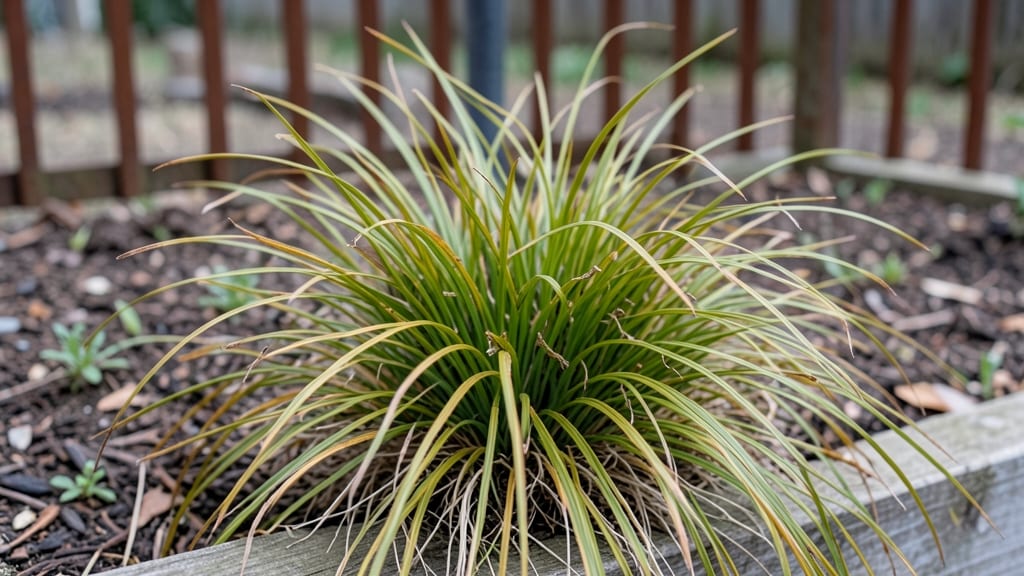
Caring for Japanese forest grass 🌿 in winter is the secret to keeping its cascading foliage lush when snow blankets the garden.
Picture this: your serene, textured winter landscape suddenly turns brown and brittle because you missed the three key steps to protect it from frost. I’ve seen it happen more times than I can count—even to experienced gardeners.
This grass thrives in USDA Zone 6a and beyond, but winter care isn’t just about throwing mulch on top. It’s about timing, the right materials, and knowing when to prune (or leave it alone).
Below, I’ll walk you through exact steps to shield your plants from cold snaps, revive them in spring, and keep that signature cascading beauty year after year.
How cold can Japanese forest grass tolerate? Winter survival guide by climate Zone
Japanese forest grass (Hakonechloa macra) thrives in USDA zones 5 through 9, but its winter resilience depends on cultivar, microclimate, and your prep work. While it survives sub-zero temperatures, prolonged frost or wet conditions can cause foliage browning or dieback.
The key? Understanding your zone’s cold thresholds and using protective layers like mulch or burlap wraps.
In Zone 5, where winters dip below -20°F (-29°C), Japanese forest grass may experience dormancy or leaf scorch. Zones 6-7 (0°F to 10°F / -18°C to -12°C) see moderate stress without protection, while Zones 8-9 (10°F to 20°F / -12°C to -7°C) rarely face severe damage.
The difference? Pre-winter care—like mulching and pruning—can push your grass into the next hardiness zone.
Now, let’s compare how Japanese forest grass performs across zones with actionable protection methods. Use this table to tailor your winter strategy based on your location.
| USDA Zone | Cold Threshold | Winter Stress Signs | Protection Method | Pre-Winter Prep |
|---|---|---|---|---|
| Zone 5 | Below -20°F (-29°C) | Brown tips, dormancy | Thick mulch (4-6") + burlap wrap | Prune dead foliage; add compost |
| Zone 6 | 0°F to -10°F (-18°C to -23°C) | Leaf scorch, slow regrowth | Mulch (3-4") + straw layer | Cut back by 1/3; fertilize lightly |
| Zone 7 | 10°F to 20°F (-12°C to -7°C) | Minimal damage; may brown | Light mulch (2-3") or pine needles | Remove old growth; water sparingly |
| Zone 8-9 | 20°F to 30°F (-7°C to -1°C) | None; stays green | None or minimal mulch | Prune lightly; reduce watering |
In Zone 5, where winters are harshest, I’ve seen Japanese forest grass survive with 4-6 inches of mulch and a burlap wrap around the crown. The mulch insulates roots, while burlap shields foliage from windburn.
For Zones 6-7, a 3-4 inch straw layer works wonders—it traps heat and prevents soil heaving during freeze-thaw cycles.
One common mistake? Assuming brown tips in winter mean the plant is dead. Often, it’s just dormancy—new growth emerges in spring. To test, gently tug on the foliage: if it resists, it’s alive! If it pulls out easily, it’s time to prune back and mulch heavier next year.
For Zone 8-9 gardeners, winter care is minimal. A light 2-3 inch mulch layer suffices, and you can skip burlap entirely. Focus instead on reducing watering—wet soil in cold temps can rot roots. I’ve grown 'Aureola' in Zone 9 for years with zero winter protection, and it thrives.
Pro tip: Use evergreen boughs (like pine or cedar) to create a windbreak around clumps. This adds an extra 5°F of protection by reducing air movement. Pair it with shredded leaves for mulch, and your grass will bounce back faster in spring.
Before the first frost, I always prune dead foliage down to 2-3 inches above ground. This prevents snow mold and lets sunlight reach new growth earlier.
In Zone 5, I also add a thick layer of straw over the mulch—it’s like giving your grass a cozy blanket for the season.
Watch for ice encasement on foli
5 Proven winter care techniques to prevent Japanese forest grass from dying back
When winter arrives, your Japanese forest grass (Hakonechloa macra) can either fade into dormancy or suffer irreversible damage—it all depends on how you prepare it. Unlike hardy perennials, this ornamental grass thrives on consistent moisture and protection from harsh winds and freezing temperatures.
I’ve learned the hard way that skipping winter prep leads to brown, crispy foliage by spring. The good news? With the right techniques, you can keep its cascading golden or variegated blades lush even under snow.
My secret? A mix of mulching strategies, strategic pruning, and microclimate tweaks that mimic its natural understory habitat in Japan’s temperate forests. Over the years, I’ve refined these five techniques—each tailored to different climate challenges—to ensure my Japanese forest grass bounces back stronger every spring.
Let’s dive into the actionable steps that’ll save your plants from winter dieback.
- 1 Layer mulch 4-6 inches deep with straw (not leaves)—straw insulates roots while allowing moisture to escape, preventing root rot in waterlogged soil.
- 2 Prune dead foliage in late winter (February) using sterilized shears—cut back brown blades to 2 inches above the crown to encourage fresh growth without shocking the plant.
- 3 Create windbreaks with burlap or evergreen shrubs—Japanese forest grass despises drying winter winds, which cause desiccation. Shelter clumps on the north or west side of your garden.
- 4 Avoid fertilizing in winter—even balanced 10-10-10 can trigger spring shock. Wait until early April to apply a light feed once new growth appears.
- 5 Water sparingly in dormancy—monthly deep soaks (not overhead sprinkling) prevent soil heaving and keep roots hydrated without promoting rot.
Timing is everything with Japanese forest grass winter care. For example, I always mulch in November—after the first hard frost—when soil temperatures drop below 40°F (4°C). This gives the mulch time to settle before heavy snowfall.
Meanwhile, pruning dead foliage in February (not January) ensures the plant isn’t stressed before its natural spring regrowth cycle begins. Pro tip: Use a fan pruner for thick clumps to avoid tearing the delicate stems.
One of my biggest mistakes was using shredded leaves instead of straw for mulching. While leaves seem free and natural, they compact into a waterproof mat, trapping moisture and suffocating roots.
Straw, on the other hand, stays loose and breathable, allowing excess water to drain while insulating against frost heave. I now buy straw bales in bulk for winter prep—it’s worth the investment to save your plants.
If your Japanese forest grass is in a windy or exposed location, consider relocating it to a microclimate with natural windbreaks, like near a fence or under the eaves of your house. I once lost an entire clump of 'Aureola' because it sat in an open patio area.
Now, I group mine with evergreen shrubs like boxwood or holly to create a protective barrier. Even a simple wooden trellis wrapped in burlap can make a difference in Zone 5 or colder.
Finally, resist the urge to fertilize in late winter. I learned this the hard way when I added compost tea in March, only to see my grass develop yellow, weak new growth that struggled in the remaining cold snaps.
Instead, wait until mid-April—when soil temperatures consistently stay above 50°F (10°C)—to apply a balanced fertilizer. This timing aligns with the plant’s natural growth hormones waking up after dormancy.
By following these five techniques, your Japanese forest grass will not only survive winter but thrive come spring. The key is consistency: mulch early, prune late, shelter from wind, and fertilize at the right time.
Trust me, your garden will thank you with vibrant, lush foliage that outshines the neighbors’. 🌿