
Lawn
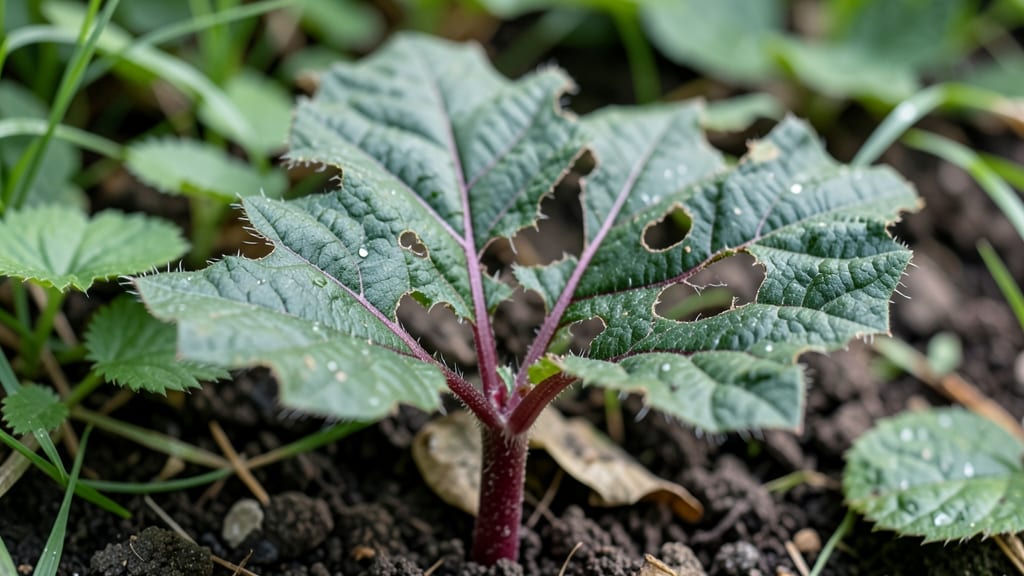
The damage from Japanese beetles can turn lush green lawns into skeletal brown patches faster than you can say "grubs." 🌱 I've seen entire backyards chewed down to the roots in a single summer, and the good news is there's a way to reverse it—without harsh chemicals or waiting years for recovery.
The secret lies in a 72-hour action plan that stops the beetles, heals the damage, and strengthens your grass so it fights back next season.
These metallic green invaders don't just munch on leaves—they target the roots too, leaving behind irregular brown patches that look like drought damage. The real villain? Their larvae, or grubs, which overwinter in your soil and hatch in spring, turning your lawn into a buffet.
Most people wait until the damage is done before acting, but the key is catching it early with targeted treatments that work faster than traditional methods.
Within three days, you can see results: fewer beetles, healthier grass, and a lawn that stops looking like a buffet for pests. The process combines natural repellents, strategic watering, and a quick repair technique that fills in damaged spots without waiting for reseeding.
Even better, these methods work for both new infestations and chronic problems—no more helplessly watching your yard disappear.
Whether you're dealing with a first-time invasion or a yearly battle, this approach adapts to your lawn's needs. The tools are simple: a hose, some organic sprays, and a little elbow grease. No fancy equipment, no waiting months for results. Just a lawn that comes back stronger—and beetle-free—season after season.
Root Causes Of Lawn Devastation
Japanese beetles don’t just land on your lawn—they invade it like a swarm of tiny, metallic storm clouds. But why do they target your grass so aggressively?
The answer lies in their biology, habitat preferences, and the unfortunate conditions you might unknowingly create. Let’s break down the science behind their destructive behavior.
Japanese beetle larvae—commonly called grubs—are the real lawn wreckers. These C-shaped, white maggots thrive in moist, nutrient-rich soil, where they munch on grass roots like a buffet. Here’s why your lawn becomes their all-you-can-eat spread:
- Excessive Nitrogen Fertilizer:
Too much nitrogen (especially late in the season) makes grass grow fast—but it also makes it tastier for grubs.
Fast-growing roots are softer and easier to digest, turning your lawn into a grub magnet. Pro Tip: Test your soil before fertilizing; aim for a balanced NPK ratio (e.g., 10-10-10) rather than nitrogen-heavy blends (like 24-0-5).
- Compacted or Waterlogged Soil:
Grubs love soil that’s easy to dig in. Compacted or overly wet soil (from poor drainage or overwatering) forces grass roots to shallow out, making them vulnerable. Actionable Fix: Aerate your lawn in spring/fall to loosen soil and improve oxygen flow—grubs hate competition for space!
- Organic Debris as a Hideout:
Leaves, mulch, and thatch create cozy microclimates where grubs hide during the day and emerge at night to feed. A thick layer of organic matter (over ½ inch) is like a five-star grub hotel. Solution: Dethatch annually and keep mulch 2–3 inches away from the lawn’s edge.
Once grubs mature into adult Japanese beetles, they shift their diet to above-ground feasting. These copper-green invaders prefer stressed grass for two key reasons:
“Healthy grass has natural defenses—waxy cuticles and toxins—that deter beetles. But when grass is weak, it’s like a buffet with no bouncers.”
—Entomologist Dr. Barry Potter, Ohio State University
- Drought Stress:
Drought-weakened grass loses its resilience, making it easier for beetles to skeletonize leaves (chewing between veins). Sign: Brown patches that feel dry but don’t improve with watering. Fix: Deep-water lawns 1–1.5 inches per week (early morning) to encourage deep root growth.
- Disease or Pest Damage:
Grass already under attack from fungi (like brown patch) or other insects (e.g., chinch bugs) becomes a prime target. Beetles exploit these weak spots, accelerating damage. Prevent: Rotate herbicides/fungicides to avoid resistance and monitor for early signs of infestation.
- Flowering Plants as a Trap:
Japanese beetles are drawn to scented flowers (roses, grapes, linden trees) and use them as “waypoints” to find lawns. Once they land, they stay to feed. Trap Strategy: Plant beetle-resistant flowers (e.g., marigolds, catnip) away from your lawn to lure them elsewhere.
Japanese beetles are opportunistic—they don’t just show up; they’re invited by the right conditions. Here’s how your local environment might be rolling out the welcome mat:
| Factor | Why It Attracts Beetles | How to Mitigate |
|---|---|---|
| 🌞 Hot, Humid Summers | Beetles thrive in temps above 80°F and high humidity. Your lawn becomes a cooler, shaded retreat for them to feed. | Mow high (3–4 inches) to retain moisture and shade roots. Use drought-resistant grass types like tall fescue. |
| 🌧️ Spring Rains Followed by Heat | Wet spring soil triggers grub hatching, and sudden heat dries grass quickly—perfect for adult beetle attacks. | Apply a grub preventer (like imidacloprid) in early May to kill larvae before they mature. |
| 🌿 Newly Sodded or Seed Lawns | Tender new grass is a delicacy for beetles. They detect the fresh growth’s high sugar content. | Avoid sodding in peak beetle season (July–August). Use beetle-resistant grass like buffalo grass or zoysia. |
💡 Key Takeaway: Japanese beetle damage isn’t random—it’s a chain reaction of poor soil health, stressed grass, and ideal weather. The good news? You can break the cycle by addressing these root causes before the beetles arrive. Next, we’ll cover how to starve out grubs in 72 hours using science-backed tactics.
Quick Fixes for Beetle-Battered Lawns
Japanese beetles may look like harmless, shiny invaders, but their appetite for grass, flowers, and foliage can turn your lawn into a skeleton in no time. The good news? You can reverse the damage—and even prevent future attacks—with targeted solutions.
Below, we’ve mapped out practical fixes based on the root cause of your lawn’s distress, from immediate rescue to long-term protection.
If your lawn is already under siege, stop the feeding ASAP with these fast-acting tactics.
🔥 Handpick & Drown (Best for Small Infestations)
- Why? Japanese beetles are slow fliers but voracious eaters.
Removing them manually is the most eco-friendly and immediate solution. - How? - Grab a bucket of soapy water (1 tbsp dish soap per gallon). - Shake beetles off plants into the bucket—they’ll drown in seconds. - Pro tip: 🌡️ Do this early morning when they’re sluggish from the cool air. - Time: 10–15 minutes per affected area.
🍳 Milky Spore or Beneficial Nematodes (For Grubs in Soil)
- Why? If the damage is from grubs (larvae), surface treatments won’t work.
You need a soil-level solution. - How? - Milky spore (Bacillus popilliae): A natural bacteria that infects and kills grubs over time (best for long-term prevention). - Apply in early summer (when grubs are young) using a spreader or by hand. - Wait time: Takes 1–2 years to fully establish but lasts decades. - Beneficial nematodes (Heterorhabditis bacteriophora): Microscopic worms that seek out and kill grubs instantly. - Apply at dusk (they die in sunlight) with a garden hose attachment. - Reapply every 4–6 weeks during grub season (June–August).
Once the beetles are gone, revive your lawn with these grass-friendly fixes.
👨🍳 Overseed Bare Spots (For Chewed Grass)
- Why? Japanese beetles skeletonize leaves but often leave roots intact. Overseeding fills gaps before weeds move in.
- How?
- Rake lightly to loosen soil and expose seeds.
- Choose fast-growing seed mixes (like perennial ryegrass or tall fescue).
- Water daily for the first 2 weeks (keep soil moist but not soggy).
- Pro tip: 🎯 Use a starter fertilizer (high in phosphorus) to encourage root growth.
🥘 Fertilize & Hydrate (Boost Weak Grass)
- Why? Beetle damage stresses grass, making it vulnerable to disease and drought.
- How?
- Apply a balanced fertilizer (10-10-10 or 16-4-8) immediately after treatment.
- Deep water 1–1.5 inches per week (early morning to prevent fungal growth).
- Avoid heavy foot traffic for 2–3 weeks to help recovery.
The best lawn care is proactive. Use these barriers and traps to keep beetles away for good.
🔪 Physical Barriers (Keep Beetles Out)
- Floating Row Covers: Use lightweight fabric over roses, veggies, and young plants to block adults.
- Neem Oil Spray: Disrupts their feeding and mating. Reapply every 5–7 days during peak season (June–August).
- Diatomaceous Earth (DE): Sprinkle food-grade DE around plants—it dehydrates beetles on contact. Reapply after rain.
🕵️♂️ Traps (Use with Caution!)
- Why? Traps attract more beetles if placed near your lawn. Only use them at the property’s edge (at least 50+ feet away).
- How?
- Hang Japanese beetle traps (like Spectracide) after you’ve already treated your lawn.
- Check weekly and drown caught beetles in soapy water.
🌡️ Soil Health (Weak Grass = Beetle Buffet)
- Aerate compacted soil (beetles love thick, easy-to-digest grass).
- Reduce nitrogen-heavy fertilizers (lush, soft grass is their favorite snack).
- Encourage deep roots with slow-release fertilizers and proper mowing height (3–4 inches).
Instead of chemicals, invite beetle enemies to your yard:
- Birds (like robins and starlings) eat adults.
- Toads, turtles, and ground beetles feast on grubs.
- Ladybugs and parasitic wasps control beetle populations naturally.
How to attract them?
- Leave leaf litter in shady areas.
- Install a small water feature (birds love it!).
- Avoid pesticides that harm beneficial insects.
Final Thought: 💡 Japanese beetles are a temporary nuisance, not a permanent problem. With quick removal, smart repairs, and preventive care, your lawn can bounce back stronger than ever—and next season, you’ll be the one laughing while they’re the ones fleeing!
Frequently asked questions
How can I tell if my lawn damage is from Japanese beetles vs. drought or disease?
Look for skeletonized leaves (chewed between veins) and metallic green beetles with copper wings. Drought damage feels dry and improves with watering, while beetle damage often has live roots but dead patches that don't recover. Check for grubs (white, C-shaped larvae) in soil by digging up a small patch.
Are Japanese beetle traps effective, or do they make the problem worse?
Traps can attract more beetles if placed near your lawn. Use them only at property edges (50+ feet away) after treating your yard. For small areas, handpicking or neem oil works better without drawing swarms. Never place traps near flowers or veggies you want to protect.
How long does it take for milky spore to work against grubs?
Milky spore takes 1-2 years to fully establish but provides decades of protection after that. Apply it in early summer when grubs are young. For immediate results, combine it with beneficial nematodes, which kill grubs within days of application.
Can I use chemical pesticides safely around pets and kids?
Most chemical pesticides require 24-48 hours of clearance before pets/kids can access treated areas. Opt for natural alternatives like neem oil or milky spore first. If chemicals are necessary, choose pet-safe brands labeled for residential use and follow re-entry times strictly.
Will overseeding repair my lawn if the roots are already damaged?
Overseeding works best when roots are still alive. If roots are completely dead (check by pulling up a patch), you'll need to aerate, add compost, and plant new grass seed. For partial damage, overseeding with fast-growing varieties like perennial ryegrass can fill gaps within 2-3 weeks.