
Lawn
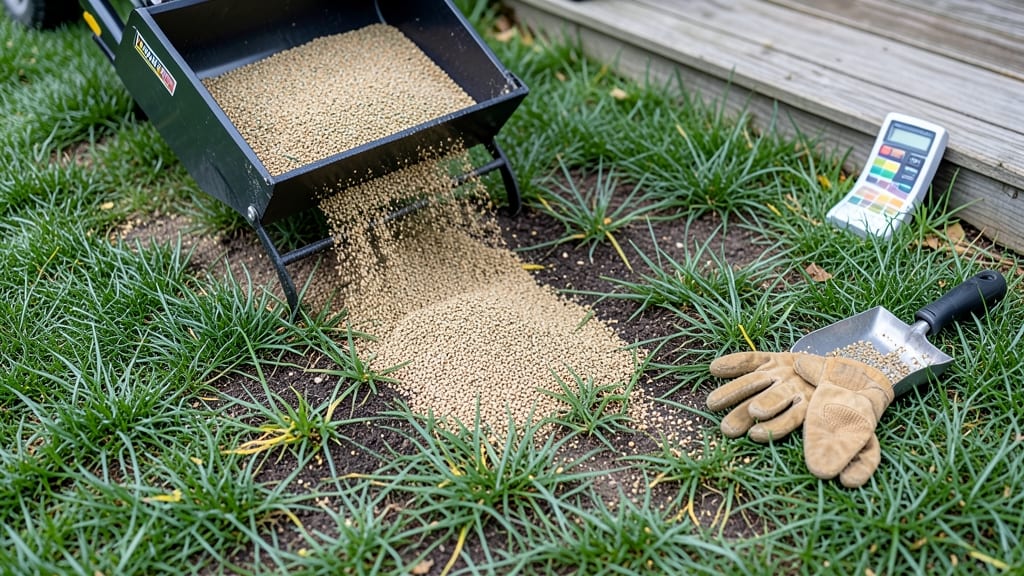
Fertilizing your lawn in spring at the right time can mean the difference between vibrant green grass and a patchy, struggling yard 🌱—and it’s all about soil temperature, not just the calendar.
Timing your spring lawn fertilization wrong can mean wasted money—or worse, stunted grass growth. The key to lush, healthy turf lies in understanding soil temperatures and regional climate zones, not just calendar dates.
If you’ve ever spread fertilizer only to see it wash away in the rain or watch your grass yellow instead of thrive, you’re not alone.
Most homeowners guess based on the month, but the real secret is waiting until the soil hits 50°F (10°C)—when roots wake up and can soak up nutrients.
In this guide, I’ll walk you through the exact soil temperature to aim for, the best fertilizers for early spring, and how to avoid the 5 most common mistakes that ruin your lawn’s start. Let’s get that grass growing strong!

Spring fertilization timeline based on soil temperature (not calendar dates)
Most gardeners assume spring fertilization means waiting until March or April—but that’s a recipe for wasted nutrients. The real rule? Soil temperature determines when your grass can absorb fertilizer effectively. When soil stays below 50°F (10°C), microbial activity slows, locking nutrients out of reach.
That’s why timing based on soil thermometers, not calendars, is the secret to vibrant turf.
Your grass type matters too. Cool-season grasses (like Kentucky bluegrass or fescue) wake up earliest, while warm-season grasses (like Bermuda or Zoysia) need warmer soil to activate. Ignoring this can lead to burnt patches or slow growth, even with the best fertilizer.
Let’s break down the science—and how to test your soil—so you never fertilize too soon or too late.
| Climate Zone | Soil Temp Threshold | Best Fertilization Window | Grass Types |
|---|---|---|---|
| Northern (USDA Zones 3-5) | 50°F (10°C) | Late April–early May | Fescue, Ryegrass, Bluegrass |
| Mid-Atlantic (Zones 6-7) | 50°F (10°C) | Early April–mid-May | Tall Fescue, Perennial Ryegrass |
| Southern (Zones 8-10) | 60°F (15°C) | Mid-March–April | Bermuda, Zoysia, St. Augustine |
| All Regions | Avoid below 45°F (7°C) | Wait until soil warms consistently | All (risk of burn) |
To test your soil temperature, bury a soil thermometer 4 inches deep in a shady spot (direct sun skews readings). Check it for 3 consecutive days—if temps stay above your zone’s threshold for at least 24 hours, it’s time to fertilize.
Pro tip: Morning readings are most accurate since soil cools overnight.
Fertilizing too early—when soil is still cold—means nutrients sit unused, wasting money and risking fertilizer burn. Conversely, waiting too late (after 75°F/24°C) stresses grass as it struggles to absorb nutrients in peak heat.
The sweet spot? 4–6 weeks after your last frost, but only when soil hits that critical 50°F/10°C mark.
Regional differences matter. In northern climates, aim for late April or early May, while southern lawns can start as early as mid-March. Warm-season grasses like Bermuda grass need even warmer soil (60°F/15°C) before they’ll respond to fertilizer.
Always match your schedule to your grass type and local microclimate.
Another key factor: rainfall timing. Apply fertilizer 24–48 hours before rain to help nutrients soak in, but avoid fertilizing if heavy rain is forecasted. Wet soil can wash away half your investment!
Pair your first spring feeding with a light aeration to help roots access nutrients deeper in the soil profile.
What if you missed the window? Don’t panic. A second feeding in early summer (June) can still boost growth, but prioritize slow-release fertilizers to prevent runoff. For cool-season grasses, a late-summer feeding (August) preps them for fall’s second growth surge.
The goal is consistency—feed when grass is actively growing, not on a calendar.
For organic gardeners, compost tea or fish emulsion can be applied slightly earlier (when soil hits 45°F/7°C) since they’re gentler. Synthetic fertilizers, however, need warmer soil to avoid burning tender grass. Always read the label for your specific product’s temperature guidelines.
Remember: Healthy soil = healthy grass. Before fertilizing, test your soil’s pH (6.0–7.0 ideal) and amend with lime or sulfur if needed. A soil test costs pennies compared to the money wasted on fertilizer that won’t absorb.
When you nail the timing, you’ll see deeper green blades and fewer weeds—proof you’re feeding your lawn right.
Best fertilizer types for early spring lawn care (slow-release vs quick-acting)
Choosing the right spring fertilizer depends on your grass type and growth goals. Cool-season grasses like fescue and bluegrass need quick nitrogen boosts, while warm-season grasses like Bermuda thrive with slow-release options.
The nitrogen ratio (first number on the bag) is critical—32-0-4 for fast greening vs 24-0-6 for steady growth.
I’ve found that synthetic fertilizers deliver immediate results, but organic options like compost or manure improve soil health long-term. For example, a 32-0-4 synthetic blend will turn your lawn vibrant in 2 weeks, while alfalfa meal (organic) takes 4-6 weeks but feeds roots deeper.
Your choice depends on whether you want fast color or sustainable growth.
Quick-Acting Fertilizers
Pros
- Fast greening (2-4 weeks)
- High nitrogen for early spring
- Precise application control
Cons
- Risk of burning grass if overapplied
- Requires frequent reapplication
- No soil health benefits
Slow-Release Fertilizers
Pros
- Steady nutrient supply (6-12 weeks)
- Reduces runoff and waste
- Improves soil structure over time
Cons
- Slower initial results
- Higher upfront cost
- Less control over release timing
For cool-season grasses, I recommend a quick-acting 32-0-4 in early spring (March-April) to jumpstart growth after dormancy. Warm-season grasses, however, should wait until soil temps hit 65°F+—then switch to a slow-release 24-0-6 to avoid nitrogen waste.
My Kentucky bluegrass lawn looks best with a synthetic blend in spring, but I supplement with compost tea later in the season for organic benefits.
Cost-wise, synthetic options like Scotts Turf Builder ($30/50lb) are cheaper upfront, while organic fertilizers like Espoma Organic Lawn Food ($40/20lb) cost more but improve soil over years. If you’re on a budget, start with half the recommended dose of a quick-acting fertilizer—it’s safer and still effective for most lawns.
Always water after applying to activate nutrients!
One mistake I see often is using high-nitrogen fertilizers too late in spring. After June 1st, switch to a balanced 16-4-8 to encourage root growth instead of just leafy top growth.
For warm-season grasses, delay fertilization until late spring (May-June) when soil warms up—applying too early can stress the grass and attract pests.
Pro tip: Test your soil first! A DIY pH test kit ($10) reveals if your lawn needs lime (to raise pH) or sulfur (to lower pH). Balanced soil means fertilizers work better, saving you money and time.
Pair your fertilizer with aeration in early spring to let nutrients reach roots—this combo gives my lawn the deep green color I love by summer.☀️