
Plants
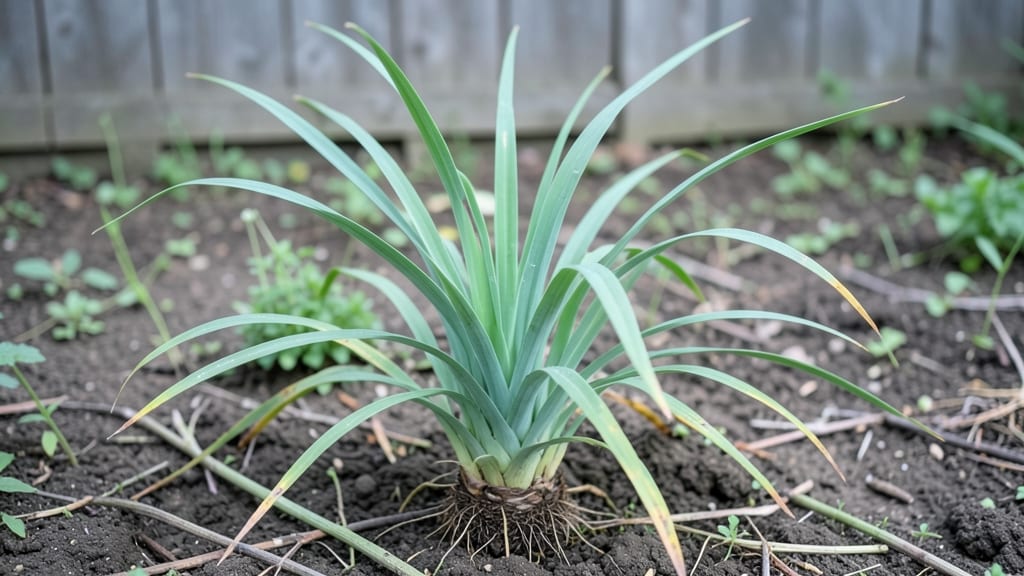
Lemongrass is not grass but a perennial herb in the Poaceae family, sharing traits with true grasses like citronella and turmeric. Its grass-like appearance comes from slender stalks and citrusy aroma, though botanically it’s classified as a monocotyledonous aromatic herb with distinct medicinal and culinary uses.
At first glance, lemongrass looks like any other grass with its tall, reed-like stems and narrow leaves, but its botanical classification tells a different story. 🌱 This herb belongs to the Andropogoneae tribe within Poaceae, meaning it shares the same family as true grasses but diverges in key ways—like its perennial growth habit and aromatic properties.
Many gardeners grow it for its culinary versatility, from Thai curries to homemade teas, while others appreciate its natural pest-repelling qualities.
What sets lemongrass apart is its monocotyledonous structure, which includes a fibrous root system and parallel leaf veins—features that distinguish it from dicotyledonous plants. Unlike lawn grasses, lemongrass thrives in warm climates and doesn’t spread aggressively, making it a low-maintenance addition to herb gardens or containers.
Its citrusy oils aren’t just for flavor; they’re also used in traditional medicine for their anti-inflammatory benefits.
💡 In This Article
- Botanical Classification of Lemongrass vs True Grasses
- Growing and Using Lemongrass in Gardens
Botanical classification of lemongrass vs true grasses
The confusion about whether lemongrass is a grass stems from its placement in the Poaceae family—the same group that includes wheat, corn, and lawn grasses. However, lemongrass belongs to the Andropogoneae tribe, a specialized subgroup where it shares traits with other aromatic plants like citronella and ginger.
The key difference lies in its monocotyledonous structure, which means it grows from a single seed leaf and develops parallel leaf veins, unlike dicotyledonous plants that have branching veins.
True grasses typically have hollow, round stems and fibrous root systems that spread horizontally. Lemongrass, however, features solid, triangular stalks with a fibrous texture and a thick, woody base that stores nutrients.
Its leaves grow in a linear, sword-like shape with a rough texture along the edges, unlike the smooth, blade-like leaves of most lawn grasses. The plant’s perennial nature also sets it apart—while many grasses die back annually, lemongrass regrows from its root system year after year in warm climates.
Reproductive methods further distinguish lemongrass from true grasses. Most grasses reproduce via seeds contained in spikelets, often dispersed by wind. Lemongrass, however, produces clusters of small, dry flowers that form seed heads, but its primary propagation method is through rhizomes—underground stems that sprout new shoots.
This adaptation allows lemongrass to establish itself quickly in gardens, much like bamboo, but without the same invasive tendencies.
The plant’s citrusy aroma comes from essential oils stored in glandular hairs on its leaves and stems, particularly citral and geraniol, which also give it medicinal properties.
True grasses lack these aromatic compounds, focusing instead on structural support for their primary role in ecosystems—soil stabilization and carbon sequestration. 🌿 This chemical difference explains why lemongrass is prized in culinary and herbal traditions while grasses are valued for their ecological functions.
Consider the leaf anatomy: lemongrass leaves have a rolled, boat-like structure that helps channel water to the roots, a trait shared with other tropical plants like bananas. True grasses, by contrast, have flat, ribbon-like leaves optimized for efficient photosynthesis in open fields.
These structural differences reflect their evolutionary adaptations—lemongrass thrives in shaded, moist environments, while grasses dominate open, sunlit landscapes.
What most people overlook is how lemongrass’s root system differs from grasses. While grasses develop extensive fibrous roots that spread horizontally, lemongrass has a deep, fibrous taproot that anchors it firmly in place.
This root structure makes lemongrass more drought-resistant than many grasses, allowing it to survive in regions with seasonal water fluctuations. The taproot also stores starches, giving the plant its characteristic woody base.
For gardeners, understanding these differences means recognizing that lemongrass won’t behave like a lawn grass. It won’t spread aggressively through runners or seeds, and it requires more care to establish—similar to growing ginger or turmeric.
Its slow, upright growth makes it ideal for small gardens or containers, where its aromatic presence can enhance both the environment and culinary experiences. 💫