
Lawn
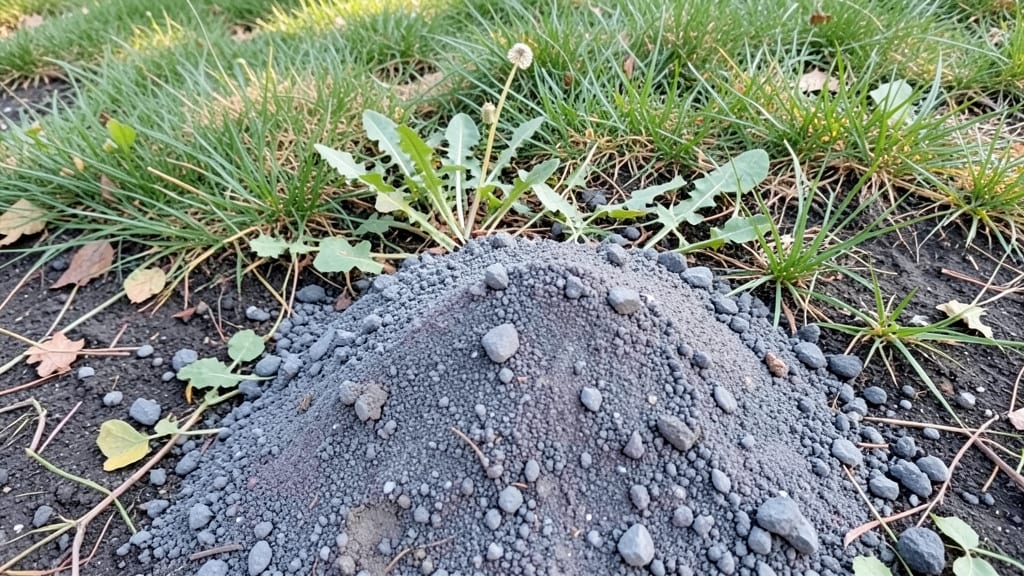
Using coal ash on grass isn't a one-size-fits-all solution, but it does offer some benefits when applied correctly. The added potassium can boost root development, while the alkaline properties help neutralize overly acidic soil—ideal for lawns struggling with brown patches or slow growth.
However, the risks outweigh the rewards if you don't test your ash first, as untreated coal ash often contains dangerous contaminants that can leach into your soil and harm plants over time. 💫
For best results, I recommend using it sparingly—no more than 1-2 pounds per 100 square feet—and only on grass types that tolerate alkaline conditions, like Bermuda or Zoysia. Always check with your local extension office before applying, as regulations vary by region.
💡 In This Article
- How Coal Ash Affects Soil Chemistry and Grass Health
- Safe Ways to Use Coal Ash in Lawn Fertilization
How coal ash affects soil chemistry and grass health
Coal ash works primarily by altering soil chemistry through its alkaline properties. When spread on lawns, it reacts with acidic soil components, raising the pH level from its typical range of 5.0-7.0 toward 7.5-8.5.
This shift helps neutralize acidic soils where grass struggles to absorb nutrients, particularly in regions with high rainfall or organic matter decomposition. The chemical reaction occurs as calcium and magnesium oxides in the ash combine with hydrogen ions in the soil, effectively "locking" them into stable compounds.
The nutrient boost comes from potassium oxide (K2O), which makes up about 1-3% of coal ash by weight. Potassium is essential for grass root development and drought resistance, but the amounts in coal ash are typically lower than commercial fertilizers.
Phosphorus is present in trace amounts (0.1-0.5%), which may help in phosphorus-deficient soils, though it's rarely the limiting factor.
The real game-changer is the pH adjustment—cool-season grasses like Kentucky bluegrass and fescue thrive at pH 6.0-7.0, while warm-season varieties such as Bermuda and Zoysia prefer pH 6.5-7.5. Coal ash can push soils into these optimal ranges for warm-season types.
However, the risks come from coal ash's heavy metal content. Untreated coal ash often contains arsenic, mercury, and lead at levels that can exceed EPA safety thresholds. These metals don't break down in soil and can accumulate over time, becoming toxic to grass roots and beneficial microorganisms.
The salt buildup from soluble sulfates and chlorides in coal ash can also create osmotic stress, where grass roots struggle to absorb water—visible as yellowing or wilting even when soil appears moist. This is why testing is non-negotiable; a simple soil pH test kit won't detect these hidden dangers.
Grass types react differently to coal ash's alkalinity. Cool-season grasses often show stress at pH levels above 7.0, with chlorosis (yellowing) appearing first on older leaves. Warm-season grasses, however, may actually benefit from the higher pH, as they're more tolerant of alkaline conditions.
The key difference lies in their native habitats—cool-season grasses evolved in temperate climates with naturally acidic soils, while warm-season varieties thrive in the alkaline soils of southern regions. This is why coal ash works better on Bermuda lawns in Florida than on fescue in the Pacific Northwest.
One often-overlooked factor is the texture of coal ash. The fine, powdery particles can cling to grass blades, creating a visible grayish residue that blocks sunlight and disrupts photosynthesis. This isn't just cosmetic—prolonged coverage can reduce grass growth by 15-25% even when nutrients are present.
The solution is to apply ash only after mowing (when grass is 2-3 inches tall) and water it in immediately to wash particles off blades and into the root zone. Without this step, the benefits disappear under a layer of ash dust.
For those considering coal ash, think of it as a high-risk, high-reward amendment. The pH adjustment and potassium can work wonders in the right conditions, but the heavy metal risk means it should only be used after professional testing.
In many cases, agricultural lime or wood ash (which lacks heavy metals) provides similar pH benefits without the contamination concerns. The bottom line? Coal ash can help grass grow—but only if you're willing to treat it like a chemical amendment, not a free fertilizer. 💫