
How To
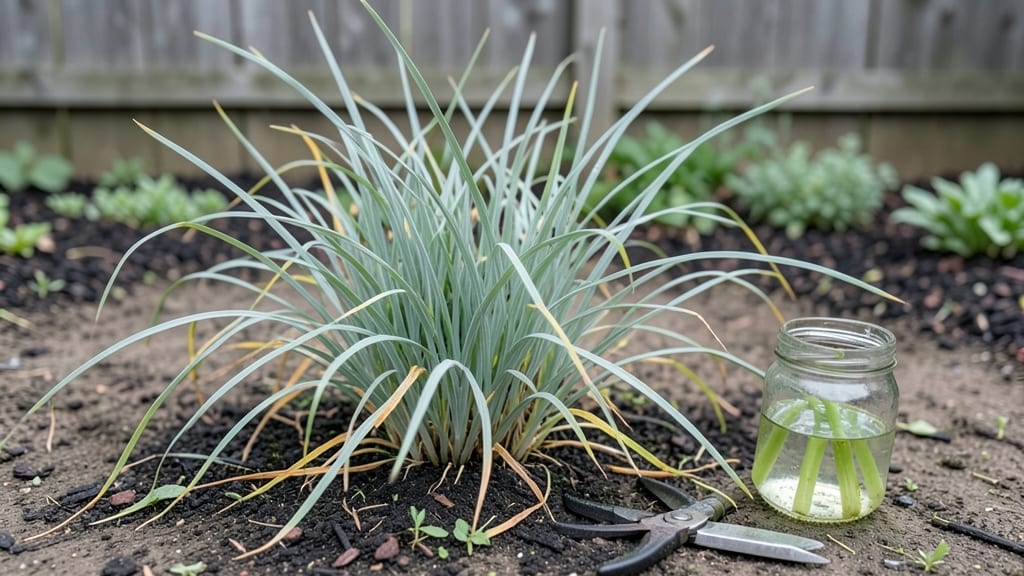
Learning how to harvest and store lemongrass properly ensures its bold, citrusy flavor stays fresh—pick stems at 12-18 inches, just before flowering when the leaves are tightly packed, and the oils are at their peak. ✨ I learned this the hard way after harvesting too late and ending up with woody, flavorless stalks.
Store the stems properly, and you’ll have fresh lemongrass for months without browning. Wrap the lower half in a damp paper towel, place it in a sealed container, and refrigerate—this keeps it crisp for 4-6 weeks.
For longer storage, freeze whole stalks in a bag, or dry bundles upside down until brittle for a pantry staple that lasts 6+ months.
📚 In This Guide
- What you need
- Instructions
- Tips and common mistakes
- Wrapping up and next steps
What you need
- ● Fresh lemongrass stalks: Mature stalks (about 12–18 inches tall) with tight, pale yellow-green leaves. Aim for 5–10 stalks per batch, depending on your storage goals.
- ● Sharp knife or pruning shears: A clean, sterilized blade (like a chef’s knife or garden shears) to avoid crushing the stalks.
- ● Plastic wrap or aluminum foil: For wrapping individual stalks (use food-grade, heavy-duty options).
- ● Paper towels or clean kitchen towel: To gently dry and prep the stalks.
- ● Ziploc freezer bags or airtight containers: For long-term storage. Opt for quart-sized or gallon-sized bags (depending on quantity).
- ○ Optional: Rubber bands or twine: To bundle stalks together before storage (keeps them upright).
- ○ Optional: Ice cube tray (for freezing): If you plan to freeze chopped lemongrass in small portions.
- ● Mature lemongrass plants: Ensure they’re at least 6–12 months old for optimal harvest.
- ● Clean workspace: A dry, well-ventilated area (like a kitchen counter or garage) to avoid moisture buildup.
- ● Time commitment: Harvesting takes 10–15 minutes per batch; storage prep adds another 5–10 minutes.
Step-by-Step instructions for harvesting and storing lemongrass
Here's how I keep my lemongrass fresh and vibrant for months—no wilting, no browning.
🌿 Step 1: Harvest at the Right Time
Wait until your lemongrass reaches 12-18 inches tall before cutting. You'll know it's ready when the stalks are thick and the leaves are fully unfurled—this means the plant has stored enough nutrients to regrow. I always harvest on a dry morning after the dew has evaporated to prevent moisture from getting trapped in the leaves.
Use a sharp pair of clean pruning shears to cut the stalks about 2-3 inches above the ground. This encourages new growth from the base. If you're harvesting multiple stalks, leave at least 3-4 inches between cuts so the plant doesn't get over-stressed. The thicker the stalk, the more flavorful and aromatic it will be.
💧 Step 2: Clean and Trim Immediately
Once you bring the stalks indoors, strip off the lower 2-3 inches of leaves—these tend to be tougher and less flavorful. Rinse the remaining stalks under cool water to remove any dirt or debris, but avoid soaking them. Pat them dry gently with a clean kitchen towel or paper towels. Moisture trapped in the leaves will speed up spoilage.
Here's the thing—lemongrass has a tough outer sheath. Use a chef's knife to make a shallow cut along the length of the stalk to expose the tender inner parts. This makes it easier to access the flavorful core later. Store the stalks upright in a glass of water (like fresh flowers) to keep them hydrated while you prep them for long-term storage.
⏰ Step 3: Store for Maximum Freshness
For short-term storage (up to 2 weeks), wrap the trimmed stalks in a damp paper towel, place them in a ziplock bag, and store them in the crisper drawer of your fridge. Check the towel every few days—if it dries out, mist it lightly with water. You'll see the stalks stay bright green and crisp, not wilted or rubbery.
For long-term storage (up to 6 months), follow this trick: Peel the tough outer leaves off the stalks, leaving just the inner, tender parts. Chop the stalks into 2-inch pieces and place them in an airtight container. Freeze them solid, then transfer to a vacuum-sealed bag to remove all air. When you're ready to use, thaw overnight in the fridge—no need to defrost fully. The flavor stays intense and fresh, just like fresh lemongrass.
🌱 Step 4: Revive and Regrow Your Plant
After harvesting, don't toss the leftover base! Place the 2-3 inch stump in a small pot with well-draining soil. Water lightly and keep it in a bright, indirect light spot. Within 2-3 weeks, you'll see new shoots emerge from the base. This is how I keep my lemongrass plant producing for years—just harvest, store, and regrow.
Real talk: If your plant gets leggy or sparse after multiple harvests, it's time to divide it. Gently dig up the clump, separate the stalks, and replant the healthiest sections. Lemongrass spreads easily, so you'll have plenty to harvest again in no time.
Tips & tricks for perfect lemongrass preservation
Keeping lemongrass fresh is all about timing and technique—here's what I've learned after years of perfecting the process.
Harvesting Secret: The 12-18 inch height guideline is non-negotiable for flavor. Thicker stalks (about 1 inch in diameter) contain the most concentrated oils and aroma. I test readiness by gently squeezing the stalk—if it feels firm and the leaves unfold easily, it's prime time. Harvesting in the morning prevents moisture buildup that causes premature browning.
Cleaning Technique: That shallow knife cut along the stalk (Step 2) is a game-changer—it exposes the tender inner core without damaging the structure. For stubborn dirt, use a soft toothbrush instead of scrubbing with your hands, which can bruise the stalks. And here's a pro move: After rinsing, immediately store the stalks upright in room temperature water for up to 48 hours while you prep them for storage. This keeps them crisp and ready to use.
Storage Hack: For short-term storage, I double-wrap the damp paper towel method—first in the towel, then in a second dry towel before sealing the bag. This creates a microclimate that maintains humidity without encouraging mold. For freezing, use 2-inch pieces as specified, but here's the extra tip: Spread them on a tray first and freeze solid before bagging. This prevents clumping and makes individual pieces easy to grab later.
Reviving Trick: Don't overwater that 2-3 inch stump when reviving your plant! Lemongrass roots are sensitive to rot. I use the "finger test"—stick your finger 1 inch into the soil. If it's dry, water lightly; if damp, wait another day. The 2-3 week regrowth timeline can vary by climate—if you don't see shoots after 4 weeks, try moving the pot to a slightly sunnier spot (but avoid direct afternoon sun).
Pro Tips for Harvest And Store Lemon Grass
- Keeping lemongrass fresh is all about timing and technique—here's what I've learned after years of perfecting the process.
- Harvesting Secret: The 12-18 inch height guideline is non-negotiable for flavor.
- Cleaning Technique: That shallow knife cut along the stalk (Step 2) is a game-changer—it exposes the tender inner core without damaging the structure.
Frequently asked questions
about harvesting and storing lemongrass—because we’ve all been there! Here are answers to the most common queries to keep your lemongrass fresh and ready for your next culinary adventure.When is the best time to harvest lemongrass?
Harvest lemongrass when the stalks are mature but still tender—typically 6 to 12 months after planting. Aim for stalks that are 1 to 1.5 inches in diameter. Early morning is ideal, as the plant’s oils are most potent then. Avoid harvesting during frost or extreme heat, as it can degrade flavor and texture.
How long does lemongrass last in the fridge?
When stored properly in a sealed bag with a paper towel (to absorb moisture), fresh lemongrass stalks can last 2 to 3 weeks in the fridge. For longer storage, opt for freezing or drying—both methods preserve flavor for months! Just trim the roots and leaves before storing to prevent spoilage.
Can I freeze lemongrass whole, or should I cut it?
Freezing lemongrass whole is fine, but cutting it into 2-inch pieces makes it easier to use later. Wrap the stalks in plastic wrap or place them in a freezer bag, squeezing out excess air. For convenience, freeze the chopped pieces in ice cube trays with water or oil—perfect for soups and stir-fries!
Why does my lemongrass turn brown or mushy when stored?
Browning or mushiness usually means excess moisture or poor airflow. Always store lemongrass unwashed (rinse only before use) and pat it dry thoroughly. Use a paper towel to absorb moisture in the storage bag, and avoid sealing it in airtight containers. If stored correctly, lemongrass should stay crisp and aromatic!
What can I do with dried lemongrass if I don’t want to cook with it?
Dried lemongrass is versatile beyond cooking! Crush the dried stalks to use as a natural insect repellent or add them to potpourri for a citrusy scent. You can also steep it in hot water for a soothing herbal tea (great for digestion) or infuse it into homemade cleaning products for a fresh, zesty aroma.
Wrapping up and next steps
Harvesting and storing lemongrass the right way unlocks its full potential—whether you’re whipping up fragrant curries, soothing teas, or stocking your pantry for months!
With just a few simple steps, you can keep those vibrant stems fresh, prevent browning, and enjoy their zesty goodness whenever you need it. Now that you’re armed with the know-how, why not experiment? Try infusing oils, freezing bundles, or even growing your own lemongrass for a year-round supply of this aromatic superstar.
Happy cooking! 🌿✨