
Lawn
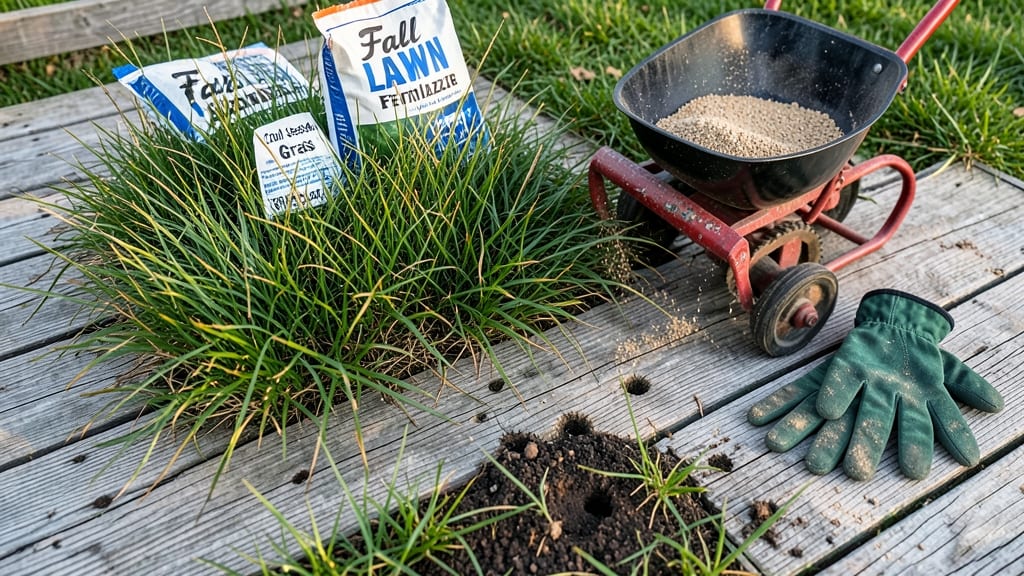
Fertilizing lawn in fall is best between late September and early November when soil temperatures drop below 60°F, promoting strong root growth before winter dormancy. Aim for 4-6 weeks before the first frost for optimal results.
The timing of fall fertilization isn't just about the calendar—it's about giving your grass the perfect window to strengthen its roots before winter sets in. 🌱 When soil temperatures dip into the 55-60°F range, your lawn enters its natural growth slowdown, which means any nutrients you apply will focus on building deeper, hardier roots rather than producing new blades.
This is why late September through early November works best for most regions, especially if you're in a zone with cool-season grasses like fescue or bluegrass.
The key is to fertilize early enough that the grass has time to absorb nutrients before the ground freezes, but late enough to avoid encouraging late-season weed growth.
Pro tip: If you're unsure about your local frost dates, check with your county extension office—they'll have the most accurate data for your specific climate zone.
This timing also gives you a head start in spring, when your lawn will bounce back faster and greener because those roots are already established and ready to grow.
💡 In This Article
- Optimal Fall Soil Temperature for Lawn Fertilization
- Fall Fertilizer Types and Application Rates for Lawns
Optimal fall soil temperature for lawn fertilization
The 55-60°F soil temperature range is the magic zone for fall fertilization because it triggers your lawn's natural growth slowdown. At these cooler temperatures, grass plants shift their energy from producing new blades to strengthening their root systems—a process called root hardening.
This adaptation helps them survive winter's freeze-thaw cycles and bounce back faster in spring. Think of it like a marathon runner building endurance rather than sprinting for speed. 🌱
Here's what's happening under the surface: When soil temps drop below 60°F, microbial activity slows down, which reduces competition between grass roots and weeds for nutrients. Weeds like crabgrass enter dormancy around 50°F, giving your lawn a competitive advantage.
You can test your soil temperature by burying a soil thermometer 4 inches deep (the average root zone) for 30 minutes—this depth is critical because surface temps can be misleading. Most regions hit this ideal window between late September and early November, but exact timing varies by climate zone.
This temperature range also prevents nutrient burn—a common problem when fertilizing warm soil. At higher temps, quick-release fertilizers can overwhelm grass roots, causing yellowing or browning. The cooler fall soil acts like a buffer, allowing nutrients to be absorbed gradually over 4-6 weeks before winter dormancy sets in.
For example, in Zone 5, where first frosts often arrive by mid-November, September fertilization gives roots about 8-10 weeks of optimal growing conditions.
Regional variations matter significantly. Southern states may extend their window until December, while northern climates should aim for late September to avoid early frosts. The 4-6 week rule before frost is a general guideline, but your local extension office can provide precise dates based on your specific grass type.
For instance, tall fescue thrives with fall fertilization at 55-60°F, while Bermuda grass (warm-season) benefits more from spring applications.
One common misconception is that cooler soil means fertilization is less effective—but the opposite is true. The root-to-shoot ratio (root growth vs above-ground growth) increases dramatically in this temperature range, often by 30-50% compared to spring applications.
This is why professional lawn care services emphasize fall fertilization as the "secret weapon" for winter resilience. The deeper roots you develop now will translate to 20-30% more drought tolerance next summer. 💫
To maximize results, pair your timing with proper watering: Apply fertilizer when the forecast calls for 0.5-1 inch of rain within 24 hours, or water immediately after application.
This helps nutrients penetrate the soil without burning the surface. The key is consistency—fall fertilization isn't a one-time event but the foundation for a healthier lawn year-round.