
Propagation
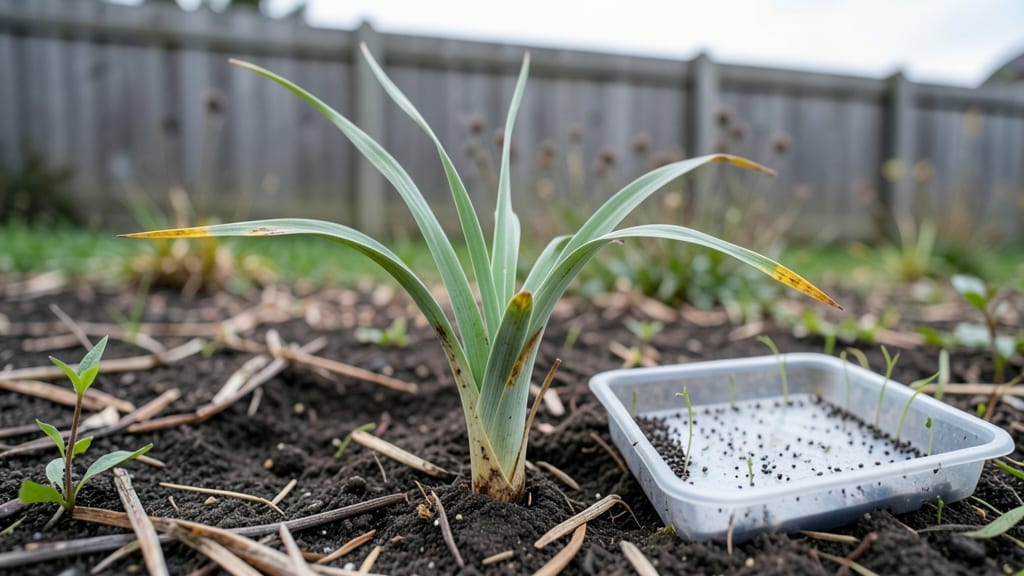
Growing pampas grass from seed requires patience and a little science trick—cold-stratification—that mimics winter’s natural cycle. ✨ I’ve wrestled with stubborn seeds that refused to sprout until I cracked the code on moisture, temperature, and timing. The payoff? Feather-soft plumes that transform any landscape into a breezy, textured masterpiece.
You’ll need fluffy seeds (often sold as “seed heads”), a plastic bag, damp paper towels, and a fridge. The process takes about 6-8 weeks of cold treatment before planting, but it’s worth it—skipping this step means waiting months, if the seeds ever sprout at all.
Most gardeners give up here, but I’ve seen these seeds break dormancy and push through soil within weeks of the right treatment.
Once germinated, your seedlings will need bright light and well-draining soil to avoid rot. They grow slowly at first, but by their second year, you’ll watch them shoot up into dramatic, wind-swaying plants.
The key is consistency—keep them moist but not soggy, and protect young plants from harsh winds until their roots establish.
This method works best in zones 8-11, but with extra winter protection, you can push it into cooler climates. The biggest challenge? Waiting. But trust me, the first time you see those silvery plumes unfurling in summer, you’ll forget all about the patience it took to get there.
📚 In This Guide
- What you need
- Instructions
- Tips and common mistakes
- Wrapping up and next steps
What you need
- ● Pampas Grass Seeds: 10–20 fresh, viable seeds (check for plumpness and no cracks).
- ● Cold Stratification Medium: Option 1: 1 small plastic bag (quart-sized) with a zip-top.
- ● Option 2: 1–2 paper towels + a sealed container (like a Tupperware).
- ● Water: Distilled or tap water (room temperature).
- ● Growing Containers: 1–2 small pots (4–6 inches in diameter) with drainage holes.
- ● OR 1 long seed tray with individual cells.
- ● Potting Mix: 1 bag of well-draining, sterile seed-starting mix (avoid garden soil).
- ● Grow Lights or Sunny Window: A south-facing window or a 12–16 inch LED grow light.
- ● Humidity Dome or Plastic Wrap: To retain moisture during germination.
- ● Spray Bottle: For gentle watering (avoid over-saturating seeds).
- ● Seedling Heat Mat: To maintain soil temps between 65–75°F (18–24°C) during germination.
- ● Fungicide: A mild solution (like hydrogen peroxide 3%) to prevent damping-off.
- ● Garden Gloves: To protect hands from sharp seed husks.
- ● Label Tags: To track seed varieties and planting dates.
- ● Refrigerator: For cold stratification (if your outdoor temps don’t drop below 40°F/4°C).
Step-by-step instructions for growing pampas grass from seed
Here's the foolproof method I've used to coax these dramatic grasses from stubborn seeds.
🌱 Step 1: Prepare the Seeds for Cold Stratification
Pampas grass seeds need 60-90 days of cold treatment to break dormancy. Start by placing them in a ziplock bag with a damp paper towel—just enough moisture to keep the towel damp but not dripping. Seal the bag and refrigerate it on the top shelf where temperatures stay 35-40°F. Check weekly and mist with water if the towel dries out.
Here's the thing—don't rush this step. The cold mimics winter conditions and signals the seed it's time to germinate. After 60 days, remove the bag and let it sit at room temperature for 24 hours before planting. This gradual warming prevents shock and gives you the best chance at successful sprouting.
💧 Step 2: Plant the Stratified Seeds
Fill a 4-inch deep seed tray with the potting mix (light and well-draining is key for pampas grass). Scatter the seeds ¼ inch deep—they're tiny, so I use a toothpick to place them gently. Space them 1 inch apart to avoid overcrowding later. Lightly cover with a thin layer of additional mix, just enough to obscure the seeds.
Water gently with a spray bottle until the soil feels evenly moist but not soggy. Place the tray in a humidity dome or cover it loosely with plastic wrap to retain moisture. Keep it in a bright, indirect light spot—no direct sun yet. You'll know it's working when you see tiny green shoots in 4-8 weeks.
☀️ Step 3: Transplant Seedlings to Individual Pots
Once seedlings reach 2-3 inches tall with 3-4 true leaves, it's time to move them. Fill 6-inch pots with the potting mix, leaving 1 inch of space at the top. Gently remove each seedling using a small trowel, keeping the root ball intact. Place one seedling per pot and firm the soil around the base.
Water thoroughly after transplanting, then place the pots in full sun (at least 6+ hours daily). Pampas grass loves heat, so if you're in a cooler climate, a grow light for 14 hours a day will help. Watch for strong, upright growth—this tells you they're thriving. If stems stretch or lean, they need more light.
🪴 Step 4: Acclimate and Transplant Outdoors
After 4-6 weeks in pots, your seedlings should be 4-6 inches tall and sturdy enough for outdoor life. Harden them off by placing them outside in a sheltered spot for 1-2 hours the first day, gradually increasing time over 10-14 days. Choose a sunny, wind-protected location in your garden—pampas grass hates strong winds that can damage its delicate plumes.
Dig holes twice as wide as the root ball but only as deep as the pot. Space plants 3-4 feet apart to give them room to spread. Water deeply after planting to settle the soil. Mulch around the base with 2 inches of mulch to retain moisture and suppress weeds. Avoid overwatering—pampas grass prefers dry conditions once established.
Tips & tricks for perfect pampas grass germination
Real talk: Pampas grass seeds are stubborn, but these tricks will help you break through their dormancy and grow lush plants.
Cold Stratification Secret: The 60-90 days of cold treatment at 35-40°F is non-negotiable—this mimics winter conditions and tricks the seeds into thinking spring has arrived. I've tried skipping this step, and trust me, your seeds will just sit there doing nothing. If your fridge runs warmer than 40°F, consider using a refrigerator with a crisper drawer or even a seed stratification kit for precise temperature control.
Timing Tip for Step 1: After those 60 days in the fridge, don't rush the 24-hour room temperature adjustment. This gradual warming is crucial—it's like giving your seeds a gentle wake-up call. I've seen seeds sprout too quickly after cold treatment and then fizzle out. Let them sit in a warm spot (around 70°F) for the full 24 hours before planting.
Seedling Care Strategy: In Step 2, when you're waiting for those 4-8 weeks of germination, resist the urge to peek under the humidity dome too often. Every time you lift the cover, you lose moisture and potentially shock the seeds. If you must check, lift just one corner and peek quickly, then reseal. A small mirror taped underneath lets you check without disturbing the environment.
Lighting Hack: For Step 3, if you're using a grow light for the 14 hours a day, position it just 2-3 inches above the seedlings. Pampas grass loves light but can get leggy if stretched too far. I use a simple LED grow light on a timer—it's more consistent than natural light cycles. Watch for leaves that look dark green and compact; if they're pale and stretched, you need more light.
Pro Tips for Grow Pampas Grass From Seed
- Real talk: Pampas grass seeds are stubborn, but these tricks will help you break through their dormancy and grow lush plants.
- Cold Stratification Secret: The 60-90 days of cold treatment at 35-40°F is non-negotiable—this mimics winter conditions and tricks the seeds into thinking spring has arrived.
- Timing Tip for Step 1: After those 60 days in the fridge, don't rush the 24-hour room temperature adjustment.
Frequently asked questions
about growing pampas grass from seed—because even the most patient gardeners have questions! Here are answers to the most common ones to help you avoid pitfalls and grow lush, feathery plumes.How long does it take for pampas grass seeds to germinate?
With cold stratification, germination typically takes 4–12 weeks after sowing. Patience is key—some seeds may sprout earlier, while others need extra time. Keep the soil consistently moist (but not soggy) and maintain temperatures between 60–70°F (15–21°C) for best results.
Can I skip cold stratification and still get seeds to grow?
While possible, skipping stratification reduces germination rates drastically—often below 20%. Without it, seeds may stay dormant or sprout unevenly. If you’re impatient, try soaking seeds in warm water for 24 hours before planting, but stratification (4–6 weeks in the fridge) is still the gold standard for reliable growth.
Why aren’t my pampas grass seedlings growing after germination?
Slow or stalled growth usually means one of three issues: not enough light (move seedlings to a sunny spot), overwatering (let soil dry slightly between waterings), or nutrient deficiency. After the first true leaves appear, feed seedlings with a balanced fertilizer (10-10-10) diluted to half strength.
Is pampas grass invasive? Should I worry about it spreading?
Pampas grass (Cortaderia selloana) is not invasive in most U.S. climates but can self-seed aggressively in warm, wet regions (e.g., California, Florida). To control spread, deadhead seed heads before they release fluff and plant in containers if your area has strict regulations. Always check local guidelines!
What’s the best time of year to plant pampas grass seeds outdoors?
For direct outdoor sowing, aim for early spring (March–April) or late summer (August–September). Seeds need 6–8 weeks of warm soil before winter to complete stratification naturally. If planting in fall, use a row cover to protect seedlings from frost until established.
Pro Tip:
Struggling with seed availability? Try dividing mature clumps in early spring—it’s faster and just as effective! Dig up a section with roots, replant, and water deeply. Your new plants will thank you with bold, dramatic growth in no time.
Wrapping up and next steps
Growing pampas grass from seed is a rewarding journey that blends patience with nature’s beauty! 🌱 By mastering cold-stratification and providing the right conditions, you’ll unlock the potential to cultivate these stunning, feathery plants from scratch.
Whether you’re a beginner or a seasoned gardener, every seed sown today could bloom into a breathtaking landscape feature tomorrow.
Ready to take the next step? Start small—try a few seeds in pots before planting them outdoors. Once your seedlings thrive, share your progress or experiment with different varieties. Happy growing! 🌿✨