
How To
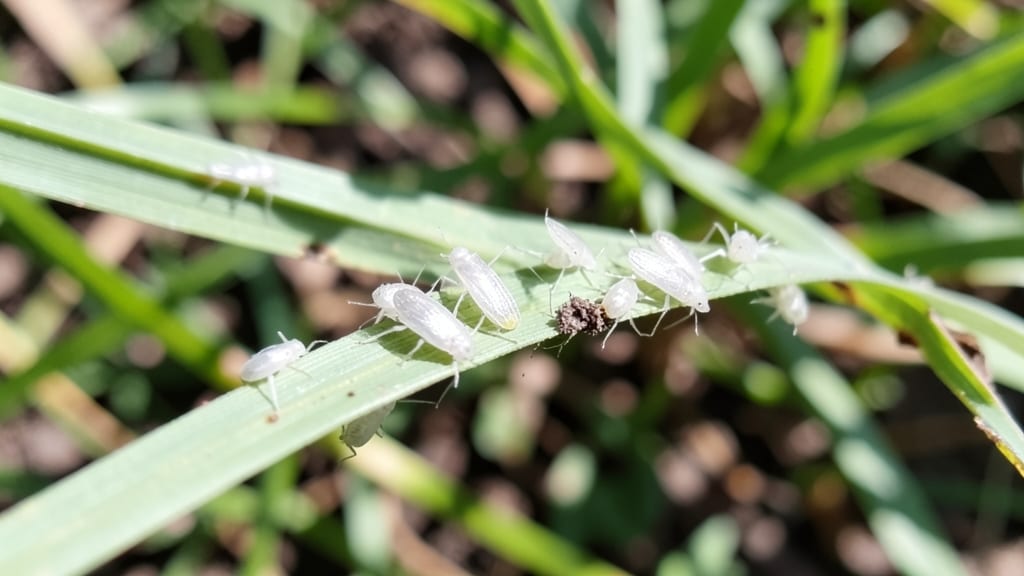
Whiteflies in grass aren’t just annoying—they suck the life out of your lawn and spread like wildfire if you ignore them. 🌱 I’ve battled these tiny pests and learned the three no-fuss steps that actually work, without harsh chemicals that harm your yard or pets.
The key? Stopping their lifecycle before they take over.
Most people spray anything they find online, but that’s a mistake—whiteflies hide on the undersides of grass blades and thrive in hot, dry conditions. Instead, we’ll focus on natural disruption: removing their eggs, luring them away from your lawn, and restoring the grass’s natural defenses.
You’ll need just three simple tools: a strong hose, some dish soap, and a little patience.
Within 2-3 weeks, you’ll see fewer sticky residue on your patio, healthier grass blades, and those pesky white clouds disappearing for good. The best part?
Your lawn stays green and strong, not just temporarily "fixed" by quick sprays that mask the real problem. This method works even in tough climates.
Here’s the catch: prevention is easier than cleanup. Once you’ve cleared them out, we’ll cover how to keep them from moving back in—because a healthy lawn is the best whitefly deterrent of all. Ready to reclaim your grass?
Why it happens
Whiteflies aren’t just a nuisance—they’re opportunistic pests that thrive when conditions align perfectly for them. If your grass is suddenly covered in these tiny, white, flying insects, it’s likely due to a mix of environmental factors, plant stress, and even human habits.
Let’s break down the real reasons these pests show up uninvited in your lawn.
🌡️ Warm, Humid Climates Create Ideal Breeding Grounds
Whiteflies love heat and humidity—think of them as the tropical vacationers of the insect world. These pests originate in warm regions and explode in numbers when temperatures hover between 70–90°F (21–32°C) with high moisture levels.
If your grass stays damp (from overwatering, poor drainage, or morning dew), you’re essentially rolling out the welcome mat for whitefly eggs and larvae.
- Why it matters: Warmth speeds up their life cycle—from egg to adult in just 2–3 weeks, leading to rapid infestations.
- Actionable insight: If you live in a hot, humid zone, monitor your lawn daily during peak season (spring to fall) for early signs like sticky residue (honeydew) on grass blades.
🌱 Weak or Stressed Grass Attracts Whiteflies
Healthy grass is resilient, but when it’s struggling—whether from nutrient deficiencies, disease, or drought stress—whiteflies see it as a free buffet. They target plants that can’t fight back, inserting their needle-like mouthparts to suck out sap. This weakens the grass further, creating a vicious cycle.
| Stress Factor | How It Helps Whiteflies |
|---|---|
| Over/Under Watering | Fluctuating moisture stresses roots, making grass vulnerable to infestations. |
| Poor Soil Quality | Compacted or nutrient-poor soil limits grass growth, making it an easy target. |
| Fungal Infections | Diseased grass (e.g., brown patch, dollar spot) emits signals that attract whiteflies. |
Pro tip: Conduct a simple soil test to check pH and nutrient levels. Aim for pH 6.0–7.0 and balanced NPK (nitrogen, phosphorus, potassium) to fortify your grass.
🌿 Overcrowded or Unmaintained Lawns Provide Hiding Spots
Whiteflies hate exposure. If your grass is thick, tangled, or overgrown, they’ll nestle into the underside of blades and thatch layer, protected from predators (like ladybugs) and natural sunlight.
Even patches of weeds or clover can act as bridge hosts, letting whiteflies jump to your grass when conditions improve.
- Key triggers:
- Thatch buildup (>0.5 inches thick)
- Uneven mowing (leaving long, tangled grass)
- Lack of aeration (compacted soil traps moisture)
- Solution: Mow regularly (height: 2.5–4 inches for most grasses) and aerate annually to disrupt their hiding spots.
🌍 Human Activity Spreads Whiteflies Unintentionally
You might not realize it, but whiteflies hitchhike on wind, water, or even your gardening tools. Here’s how they invade lawns:
- Wind currents: Adult whiteflies fly miles to find new hosts, especially during storms.
- Water sources: Overhead irrigation (like sprinklers) can carry eggs or nymphs from infested plants to your grass.
- Gardening tools: Clippers, rakes, or shoes contaminated with whitefly residue can transfer pests to clean areas.
- Neighboring plants: If nearby trees, shrubs, or flowers host whiteflies, your grass is at risk.
💡 Prevention tip: Quarantine new plants for 2 weeks before introducing them to your lawn, and sterilize tools with rubbing alcohol between uses.
How to solve it
Whiteflies in your grass aren’t just an eyesore—they can weaken your lawn by sucking out nutrients and spreading diseases. The good news? You can tackle them effectively with targeted solutions.
Below, we’ve mapped the most common causes of whitefly outbreaks to practical fixes, so you can act fast and prevent future infestations. Let’s get your grass back to its lush best!
###
🌱 Overwatered Grass → Adjust Irrigation
Whiteflies thrive in damp, overwatered soil, so cutting back on watering is your first line of defense. Here’s how to do it right:
- 🔥 Reduce Frequency: Water deeply but less often—aim for 1–1.5 inches per week, including rainfall. Early morning is ideal to allow grass to dry quickly.
- 🍳 Improve Drainage: If your lawn has poor drainage, aerate compacted soil in spring or fall. Use a core aerator to pull out small plugs of soil, which helps water and air reach the roots.
- 👨🍳 Test Your Soil: If water pools after rain, consider amending the soil with compost or sand to improve absorption. A simple soil test kit can guide you.
💡 Pro Tip: If you’re unsure about your grass type, watering needs vary—cool-season grasses (like fescue) need more moisture than warm-season grasses (like Bermuda). Know your turf!
###
🍂 Weak or Stressed Grass → Strengthen Your Lawn
Whiteflies target stressed grass, so boosting your lawn’s health is key. Follow these steps to make it resilient:
- 🔪 Fertilize Properly: Use a slow-release, balanced fertilizer (like 10-10-10) in early spring or fall. Avoid over-fertilizing with nitrogen, which can attract pests.
- 🌡️ Mow High: Set your mower to 3–4 inches for most grass types. Taller grass shades the soil, reducing moisture loss and stress.
- 🎯 Overseed Bare Spots: Fill thin or patchy areas with grass seed matched to your lawn type. This closes gaps where whiteflies can hide and multiply.
✨ Bonus: A thick lawn crowds out weeds, which whiteflies also love. Stay on top of weed control to break their cycle!
###
🐜 Existing Whitefly Infestation → Targeted Treatments
If whiteflies are already swarming, act fast with these natural and chemical-free methods:
| Method | How to Use | Best For |
|---|---|---|
| 🔥 Neem Oil Spray | Mix 2 tbsp neem oil + 1 tsp mild soap in 1 gallon of water. Spray directly on grass (avoid hot days—it can burn leaves). Reapply every 5–7 days. | Early-stage infestations |
| 🍳 Yellow Sticky Traps | Place traps near infested areas. Whiteflies are attracted to yellow and get stuck. Check traps weekly and replace as needed. | Monitoring + reducing adult populations |
| 👨🍳 Beneficial Nematodes | Apply Steinernema feltiae nematodes to soil (follow package rates). These microscopic worms kill whitefly larvae naturally. Water lightly after application. | Severe infestations in warm weather |
| 🌡️ Diatomaceous Earth (DE) | Sprinkle food-grade DE lightly over grass (avoid windy days). It dehydrates whiteflies but is safe for pets once settled. Reapply after rain. | Dry, hot climates (less effective in wet conditions) |
💡 Pro Tip: For large lawns, combine neem oil + nematodes for a 1-2-3 punch. Always test treatments on a small patch first to check for sensitivity.
###
🛡️ Prevention Tips to Keep Whiteflies Away
An ounce of prevention is worth a pound of cure. Keep whiteflies from moving in with these habits:
- ⏰ Stay Vigilant: Inspect your lawn weekly, especially under grass blades and near stems. Early detection = easier eradication.
- 🌱 Rotate Treatments: If whiteflies return, alternate between neem oil, insecticidal soap, and nematodes to avoid resistance.
- 🍂 Maintain Lawn Health: Follow the “strengthen your lawn” steps above year-round. Healthy grass is the best defense!
- 🎯 Quarantine New Plants: If you’re adding shrubs or ground covers, check them for whiteflies before planting. Isolate new additions for 2 weeks.
Whiteflies may be pesky, but with the right approach, you can reclaim your grass—naturally and effectively. Start with the fixes that match your lawn’s needs, and soon you’ll be enjoying a whitefly-free, vibrant yard! 🌿
Frequently asked questions about whitefly control in lawns
Why do whiteflies suddenly appear in my grass?
Whiteflies thrive in warm, humid conditions and target stressed grass. Overwatering, poor soil quality, or fungal infections create perfect breeding grounds. They also spread through wind or contaminated gardening tools, so outbreaks often follow extreme weather or lawn neglect.
Will dish soap really kill whiteflies in my lawn?
Yes! Mix 1 tablespoon mild dish soap with 1 quart water in a spray bottle and apply directly to infested areas. The soap disrupts their waxy outer layer, dehydrating them. Reapply every 3-5 days until they disappear. Test on a small patch first to avoid damaging grass.
Are yellow sticky traps safe for pets and kids?
These traps are non-toxic and only capture whiteflies. Place them on stakes around your lawn's perimeter. Just ensure they're secured so pets can't knock them over. Check traps weekly and replace when full to maintain effectiveness.
How long does it take to eliminate whiteflies completely?
With consistent treatment, you'll see noticeable reduction in 7-14 days. Complete eradication typically takes 3-4 weeks because their lifecycle includes egg, nymph, and adult stages. Combine methods like neem oil, nematodes, and proper lawn care for fastest results.
Can I use the same treatments if whiteflies return next year?
Rotate treatments annually to prevent resistance. Alternate between neem oil, insecticidal soap, and beneficial nematodes. Also focus on lawn health—proper watering, fertilization, and aeration make grass less attractive to whiteflies. A preventive approach in early spring works best.