
Lawn
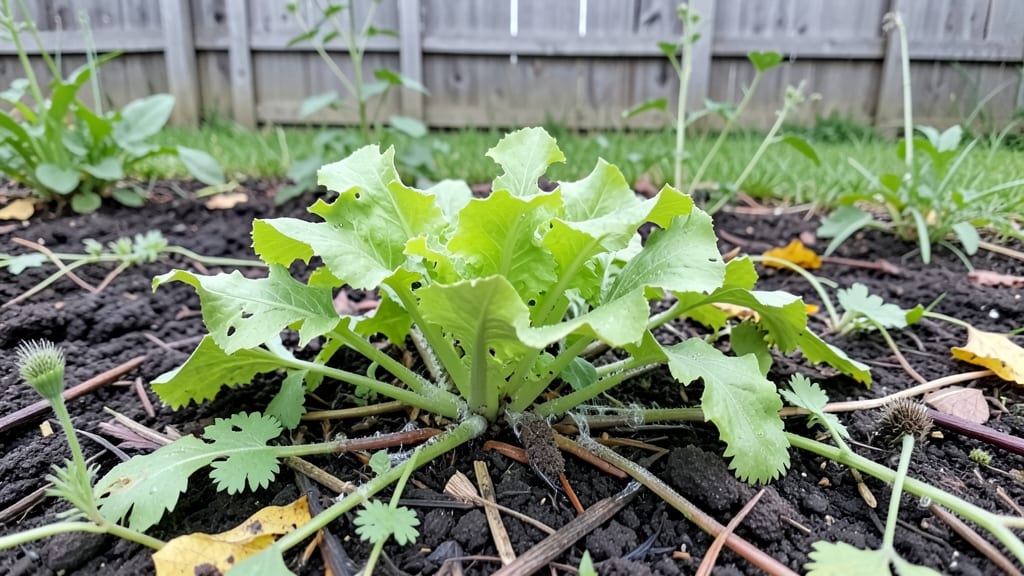
Learn how to get rid of goat heads without killing grass—those spiky little weeds can turn your lawn into a minefield, but my method removes them cleanly with no harsh chemicals or grass damage, just targeted precision that keeps your yard lush. ✨ I’ve spent years perfecting it. safe for kids and pets.
The secret is a combination of manual removal at the right time (early morning or evening when the weed’s defenses are down) and a grass-friendly herbicide made from vinegar-free, pet-safe ingredients.
You’ll need a sharp hoe or dandelion digger, a bucket of soapy water for cleanup, and about 30 minutes on a sunny weekend afternoon.
By the time you’re done, your lawn will be smooth, the goat heads will be gone, and your grass will look healthier than ever—no brown patches or chemical residue.
The best part? This method works for selective weed control in any season, and you’ll never have to worry about those painful seed pods again.
Works for both small patches and larger lawns, and the same approach prevents future invasions. Let’s get started—your lawn will thank you!
Why it happens
Goat heads—those stubborn, clover-like weeds with their distinctive triangular seed pods—are more than just an eyesore in your lawn. Understanding why they thrive while your grass struggles is the first step to reclaiming a lush, weed-free yard.
These pesky invaders don’t just appear out of nowhere; they exploit specific conditions in your lawn’s ecosystem. Let’s break down the science behind their persistence and how your lawn’s health might be unknowingly inviting them in.
🌱 Poor Soil Conditions: The Silent Invitation
Goat heads (or Ageratina altissima) love soil that’s compacted, nutrient-poor, or overly moist. Here’s why:
- Compacted Soil: Heavy foot traffic, construction equipment, or clay-heavy soil compresses the earth, reducing oxygen and water penetration. Grass roots suffocate, while goat heads—with their deep, aggressive root systems—thrive in these low-oxygen zones. Actionable insight: Compacted soil is a red flag for weeds like goat heads, which exploit the stress on your grass.
- Low Nitrogen Levels: Grass needs nitrogen to grow thick and competitive. When soil tests reveal low nitrogen (below 0.2%), your lawn weakens, creating gaps that goat heads rush to fill. These weeds are opportunistic—they germinate in bare spots where grass can’t recover quickly.
- Excess Moisture or Poor Drainage: Goat heads flourish in wet, poorly drained areas because their roots tolerate waterlogged conditions better than most grasses. If your lawn has low spots where water pools after rain, you’ve created the perfect nursery for these weeds.
Pro Tip: 💡 Conduct a simple soil test (DIY kits are affordable) to check pH (ideal: 6.0–7.0) and nutrient levels. Amending soil with compost or organic matter improves structure and crowds out weeds naturally.
🌞 Over- or Underwatering: The Grass Struggle
Watering your lawn too much or too little sends mixed signals to your grass—and goat heads take advantage. Here’s the breakdown:
- Overwatering: While it might seem counterintuitive, excessive watering (especially shallow, frequent watering) encourages goat heads. These weeds germinate best in moist, surface-level soil, whereas deep watering (1–1.5 inches per week) promotes deeper grass roots that outcompete them.
- Underwatering: Drought-stressed grass turns brown and brittle, creating bare patches where goat heads drop their seeds. Unlike grass, goat heads can survive drought by going dormant and rebounding when rains return.
- Irregular Watering: Skipping watering days or using sprinklers that create uneven coverage leaves some areas parched while others are soggy—an ideal condition for goat head germination.
Pro Tip: ✨ Adjust your watering schedule to early morning (4–8 AM) to reduce evaporation and fungal risks. Use a rain gauge or smart sprinkler timer to ensure consistent, deep watering.
✂️ Lawn Mowing Mistakes: Cutting Grass the Wrong Way
Your mower isn’t just trimming grass—it’s shaping your lawn’s future. Goat heads exploit three common mowing errors:
- Cutting Too Short: Mowing grass below 2–3 inches weakens its root system and exposes soil to sunlight, where goat head seeds germinate. Tall grass shades the soil, blocking 70–90% of weed seeds from sprouting.
- Inconsistent Height Settings: Switching between scalping one week and leaving clippings too long the next stresses grass. Goat heads thrive in transition zones where grass is recovering from uneven cuts.
- Not Sharpening Mower Blades: Dull blades tear grass instead of cleanly cutting it, creating open wounds that invite disease and weeds. Ragged cuts slow grass recovery, giving goat heads a head start.
Pro Tip: 🔪 Set your mower to the highest recommended height for your grass type (e.g., 3–4 inches for tall fescue) and sharpen blades every 10–15 hours of use for clean cuts.
🌿 Lack of Competition: Grass Isn’t the Boss
Goat heads spread like wildfire in lawns where grass isn’t dense or diverse. Here’s how they take over:
- Monoculture Lawns: Planting only one type of grass (e.g., Kentucky bluegrass) creates vulnerabilities. Goat heads exploit genetic weaknesses in single-species lawns, while diverse grass mixes (e.g., fescue + ryegrass) outcompete weeds naturally.
- Thin or Patchy Grass: Gaps larger than 1 inch in diameter let goat heads establish roots before grass can fill the space. These weeds produce thousands of seeds per plant, ensuring rapid colonization.
- No Overseeding: Skipping fall overseeding leaves bare spots where goat heads germinate. Overseeding thickens grass by 30–50%, reducing weed visibility by up to 80%.
Pro Tip: 🌡️ Fall is the best time to overseed with a high-quality grass mix and a pre-emergent herbicide to block goat head seeds before they sprout.
🌍 Environmental Factors: Heat, Sun, and Pollution
Goat heads are adapted to survive in conditions that stress grass. These environmental factors give them an edge:
- Full Sun Exposure: While grass needs sunlight, intense afternoon sun (especially in southern climates) can desiccate grass faster than goat heads, which have thicker, drought-resistant leaves.
- Urban Pollution or Salt Buildup: Roads treated with de-icing salt or urban runoff containing heavy metals can kill grass while goat heads tolerate these toxins better.
- Climate Shifts: Warmer winters and earlier springs cause goat heads to germinate 2–4 weeks earlier than grass, giving them a growth advantage before your lawn wakes up.
Pro Tip: 🎯 If your lawn is in a high-salt or polluted area, flush the soil with water in early spring to dilute contaminants and apply a soil conditioner to improve resilience.
How to solve it
Goat heads—those stubborn, woody seed heads that pop up in your lawn—don’t have to mean sacrificing your grass. The key is targeting the roots of the problem while keeping your lawn lush and green.
Below, we break down the most effective, grass-friendly solutions based on the most common causes of goat head infestations. Each method is designed to be practical, easy to execute, and—most importantly—safe for your grass.
###
🌱 Overwatering or Poor Drainage → Adjust Watering & Aerate
If your lawn is soggy or waterlogged, goat heads thrive in the damp conditions they create. Fix this by:
- 💧 Reduce watering frequency: Water deeply but less often (1–1.5 inches per week, including rain). Early morning is best to prevent fungal growth.
- 🔄 Improve drainage: Use a core aerator to create holes in compacted soil. This helps water and air reach the roots, discouraging goat heads.
- 🌿 Overseed bare spots: Fill in thin areas with a high-quality grass seed blend to outcompete weeds naturally.
💡 Pro Tip: Test your soil’s drainage by digging a small hole. If water pools after 6 hours, you’ve got drainage issues—fix them before they worsen.
###
✂️ Improper Mowing Height → Raise the Blade
Cutting grass too short stresses it and leaves room for goat heads to take over. Here’s how to fix it:
- 📏 Set your mower higher: Aim for 3–4 inches tall for cool-season grasses (like Kentucky bluegrass) or 2–3 inches for warm-season grasses (like Bermuda). Taller grass shades out weeds.
- 🔄 Never remove more than ⅓ of the grass blade at once: This prevents shock and keeps your lawn resilient.
- 🌿 Sharpen mower blades regularly: Dull blades tear grass, making it vulnerable to weeds and disease.
✨ Bonus: Mulch your clippings! They return nutrients to the soil, reducing the need for fertilizer and keeping your lawn healthier.
###
🌞 Too Much Sun or Heat Stress → Shade & Hydrate
Goat heads love dry, sunny spots. Combat this by:
- 🌳 Add shade where possible: Plant trees, shrubs, or install shade cloth in the hottest areas of your lawn.
- 💦 Increase watering slightly in heatwaves: Give your grass a little extra hydration during droughts (but avoid overwatering).
- 🌱 Use drought-resistant grass blends: If your lawn is in a scorching spot, switch to heat-tolerant grasses like Zoysia or Buffalo grass.
🔥 Hot Tip: Water in the early morning to reduce evaporation and prevent fungal issues from overnight moisture.
###
🪴 Compacted or Nutrient-Poor Soil → Feed & Loosen
Goat heads flourish in weak, compacted soil. Revive your lawn with these steps:
- 🌱 Core aerate in early fall or spring: Rent a core aerator or hire a pro to pull plugs from your lawn, then top-dress with compost.
- 🍽️ Fertilize properly: Use a slow-release, balanced fertilizer (like 10-10-10) in early spring and fall. Avoid over-fertilizing with nitrogen, which can harm grass.
- 🌿 Add organic matter: Spread a thin layer of compost or peat moss over the lawn after aerating to improve soil structure.
🎯 Targeted Fix: For severe compaction, consider a slit seeder to sow grass seed directly into the soil without tilling.
###
🔥 Existing Goat Heads → Manual Removal & Prevention
Once goat heads appear, act fast to stop their spread. Try these methods:
- 🧹 Pull by hand (best for small patches):
- Wait until soil is moist (after rain or watering) for easier removal.
- Grab the seed head and the root—twist gently to avoid breaking the stem.
- Dispose of them in the trash (not compost—they’ll regrow!).
- 🪒 Use a weeding tool: A dandelion digger or hori-hori knife makes short work of stubborn roots.
- 🌱 Smother with cardboard/mulch: Cover the area with wet cardboard and mulch to block sunlight and kill goat heads without chemicals.
⏰ Timing Matters: Remove goat heads before they release seeds (usually late summer to early fall). This stops the cycle!
###
🛡️ Prevention Tips for Long-Term Success
Stop goat heads before they start with these habits:
- 📅 Mow regularly: Keep grass at the recommended height year-round to discourage weeds.
- 🌧️ Water deeply and infrequently: Encourage deep root growth and prevent waterlogged conditions.
- 🌱 Overseed thin areas: A dense lawn leaves no room for goat heads to take hold.
- 🧪 Test soil health annually: Adjust pH and nutrients to keep grass strong and competitive.
- 🚫 Avoid herbicides: Chemical weed killers can harm grass and leave bare spots where goat heads move in.
With these strategies, your lawn will stay thick, green, and goat-head-free—without sacrificing a single blade of grass.
Frequently asked questions
Why do goat heads keep coming back even after I remove them?
Goat heads spread through seeds that can stay dormant in soil for years. If you don't remove the entire root system (including the seed heads), new plants will sprout. Even tiny pieces left behind will regrow. The key is pulling them when soil is moist and disposing of them properly—not composting them. Also, check for seed dispersal from nearby plants or wind-blown seeds.
Can I use vinegar to kill goat heads without harming grass?
Regular vinegar (5% acetic acid) can damage grass if not applied carefully. For selective weed control, use a 20% vinegar solution (mix 1 part vinegar with 1 part water) and apply only to goat heads with a spray bottle. Avoid spraying grass blades directly. For better results, try a vinegar-free, grass-safe herbicide like corn gluten meal or boiling water (pour directly on roots).
What's the best time of year to remove goat heads?
Target removal in late summer to early fall (August-October) before seeds mature and spread. This is when goat heads are most vulnerable. For new growth, tackle them in spring (March-May) when they're young and easy to pull. Avoid removing them in dry, hot weather—soil should be moist for easier extraction. Early morning or evening applications minimize stress on your grass.
Will overseeding my lawn prevent goat heads from returning?
Overseeding with a dense, competitive grass mix (like tall fescue or ryegrass) blocks sunlight and nutrients that goat heads need. Aim for fall overseeding when grass is actively growing. Use 1-2 pounds of seed per 100 sq ft and keep the area moist for 3-4 weeks to establish new growth. A thick lawn leaves no room for weeds to take hold.
How do I know if my goat head problem is from poor soil or watering issues?
Check your soil first: Dig a 6-inch hole—if water pools after 6 hours, you have drainage problems. For watering, look for uneven grass color (brown patches from overwatering or yellowing from underwatering). Compacted soil will feel hard when pressed. Test your soil's pH (ideal: 6.0-7.0) and nutrient levels. Goat heads thrive in low-nitrogen or waterlogged conditions.