
Plants
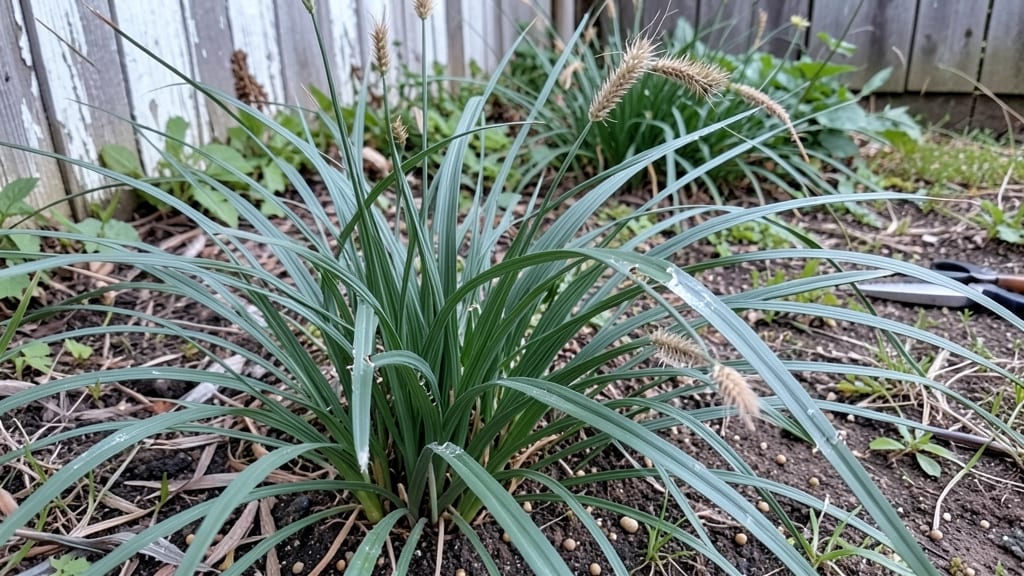
Fountain grass spreads like a stubborn weed once it takes root in your yard. I’ve wrestled with it for years—those tufts keep popping back up no matter how many times I yank them out by hand.
The real solution isn’t just pulling what you see but attacking the roots deep in the soil.
Here’s the hard truth: fountain grass thrives on persistence, and so does its removal. You’ll need sharp pruners, a sturdy shovel, and patience for a job that might take a full growing season.
The key is cutting back the clumps to the ground in early spring, then digging out the roots—every last inch—or they’ll regrow faster than you can say "landscaping fail."
When you finally rid your yard of it, you’ll notice how much easier it is to maintain the rest of your garden. No more fighting hidden rhizomes or watching it creep into flower beds.
Instead, you’ll have space for plants that stay put—and look intentional. The payoff? A yard that actually feels like yours.
For those worried about chemical solutions, vinegar or boiling water can work for small patches, but deep-rooted clumps need the shovel method. And if you’re replanting? Choose ground covers or perennials with strong root systems—they’ll resist the same invasive habits fountain grass loves.
Why it happens
Fountain grass (Pennisetum alopecuroides) may look elegant with its cascading plumes, but its aggressive growth can quickly turn your garden into an unruly mess. Understanding why it spreads so aggressively is the first step to reclaiming control. Here’s a breakdown of the key reasons:
🌱 Rapid Seed Dispersal by Wind and Animals
Fountain grass is a prolific seed producer, releasing thousands of tiny, lightweight seeds each year. These seeds are perfectly adapted for wind dispersal, allowing them to travel long distances and colonize new areas effortlessly.
Additionally, birds and small mammals often feast on the seeds, inadvertently spreading them through their droppings. Once established, a single plant can create a dense thicket within just a few seasons, making it a persistent nuisance in gardens and landscapes.
🌿 Aggressive Rhizome Growth
Unlike many ornamental grasses, fountain grass spreads not only through seeds but also via an extensive rhizome system. Rhizomes are horizontal underground stems that store nutrients and produce new shoots.
These tough, fibrous structures can grow several feet underground and send up new plants even if the above-ground foliage is removed. If even a small piece of rhizome remains in the soil after digging, it can regenerate, leading to a resurgence of fountain grass in the same spot.
🌞 Ideal Growing Conditions
Fountain grass thrives in full sun to partial shade and adapts to a wide range of soil types, from sandy to clay-heavy. Its ability to tolerate drought, poor soil quality, and even urban pollution makes it a hardy invader.
If your yard has open spaces with minimal competition from other plants, fountain grass will quickly fill in the gaps. Additionally, its deep root system allows it to access water and nutrients that other plants might struggle to reach, giving it a competitive edge.
🔄 Human Activity and Accidental Planting
Sometimes, fountain grass spreads due to human error. Many gardeners unknowingly plant it because of its ornamental appeal, only to later discover its invasive tendencies. Others may accidentally introduce it through contaminated soil, mulch, or even potted plants sold at nurseries.
Once established, its aggressive growth makes it difficult to eradicate without targeted intervention.
🌍 Climate and Regional Adaptability
Fountain grass is particularly well-suited to temperate and subtropical climates, where it can grow year-round or return vigorously each spring. In regions with mild winters, it may not die back completely, allowing it to persist and spread even during cooler months.
Its adaptability to different climates is one reason it’s considered invasive in many parts of the U.S., including the Southeast, Midwest, and Pacific Northwest.
Understanding these causes helps you strategize the most effective removal methods—whether through manual digging, herbicide application, or prevention tactics. The key is to act before the grass establishes a deep root system and spreads uncontrollably.
How to solve it
Fountain grass may look stunning in your garden, but when it spreads uncontrollably, it can turn into a pesky problem. The good news? With the right approach, you can reclaim your yard.
Below are targeted solutions for each common cause of fountain grass overgrowth, plus tips to keep it from coming back.
###
🔪 Overgrowth from Seeds or Rhizomes
If your fountain grass is spreading aggressively, it’s likely due to seeds or underground rhizomes. Here’s how to tackle it:
- 🌱 Pull or Dig Up Young Plants: Spot new shoots early and remove them by hand. Use gloves and pull from the base to avoid breaking rhizomes.
- 💀 Smother with Mulch or Cardboard: Cover the area with thick mulch or cardboard to block sunlight, starving the grass of energy. This works best for small patches.
- 🔥 Solarize the Soil (Summer Method): In hot climates, lay clear plastic over the area for 4–6 weeks to bake out rhizomes. Best done in peak sun.
💡 Pro Tip: Check for hidden rhizomes by digging 6–12 inches deep—even small fragments can regrow!
###
🌱 Spreading from Clumps or Clippings
If you’ve accidentally spread clippings or divided clumps, containment is key:
- 🧹 Bag and Dispose of Clippings: Never leave grass trimmings on the ground—bag them and toss them in yard waste.
- 🛡️ Install Root Barriers: Bury a metal or plastic barrier (like edging) 12+ inches deep around planted areas to block rhizome spread.
- 🔪 Mow High and Often: Keep grass tall (3–4 inches) to weaken fountain grass growth and compete with weeds.
✨ Prevention Hack: Wear gloves when handling fountain grass—even small pieces can take root!
###
🌿 Persistent Regrowth After Removal
If fountain grass keeps bouncing back, it’s likely due to leftover rhizomes or seeds. Try these deep-cleansing methods:
- 🔍 Dig Deep and Wide: Use a shovel or garden fork to remove all rhizomes—even tiny fragments can regrow. Aim for 12+ inches deep.
- 💧 Vinegar or Herbicide Spot-Treat: For stubborn patches, spray undiluted vinegar (on a dry day) or a systemic herbicide like glyphosate. Reapply as needed.
- 🌱 Replace with Ground Covers: Plant dense, low-maintenance alternatives like clover, creeping thyme, or ornamental grasses that don’t spread.
🎯 Long-Term Fix: Test your soil—poor drainage or compacted earth can encourage regrowth. Amend with compost to improve conditions.
###
🚫 Prevention for Future Gardens
Once you’ve banished fountain grass, keep it from returning with these habits:
- 🌱 Choose Non-Invasive Alternatives: Opt for clumping grasses like Miscanthus or Pennisetum that don’t spread via rhizomes.
- 🧹 Clean Up Debris Regularly: Remove fallen leaves, seed heads, and clippings to prevent new growth.
- 🔄 Rotate Plantings: Avoid planting fountain grass in the same spot again—it thrives on repetition.
- 🛡️ Use Landscape Fabric: Under mulch or between plants, fabric can block weed seeds and rhizomes.
🔥 Final Tip: If all else fails, consider a professional landscaper—they can assess your yard and recommend permanent solutions.
Frequently asked questions
How do I know if I have fountain grass rhizomes left in the soil?
Check for thin, white, string-like roots when digging 6-12 inches deep. Even small fragments can regrow—look for any fibrous strands resembling spaghetti. Pro tip: Dig in a grid pattern to catch hidden rhizomes in large areas.
Will vinegar really kill fountain grass permanently?
Undiluted vinegar works for small patches but may need 3-4 applications on dry, sunny days. For deep roots, combine with digging or solarization. Note: It won't penetrate soil to reach underground rhizomes—expect best results for surface growth only.
Can I replant immediately after removing fountain grass?
Wait 4-6 weeks to ensure no regrowth, then test soil for remaining rhizomes. Start with competitive ground covers like clover or dense perennials to prevent future invasions.
Why does fountain grass keep coming back even after I pull it?
Rhizomes can survive years underground—even 1-inch fragments regrow. The solution is persistent digging (12+ inches) combined with solarization or herbicide for stubborn patches.
Are there any non-toxic ways to kill fountain grass?
Yes! Try boiling water (pour directly on roots) or corn gluten meal (pre-emergent for seeds). For established clumps, smother with cardboard + mulch for 3-6 months to starve the roots. Best for small, contained areas.