
Lawn
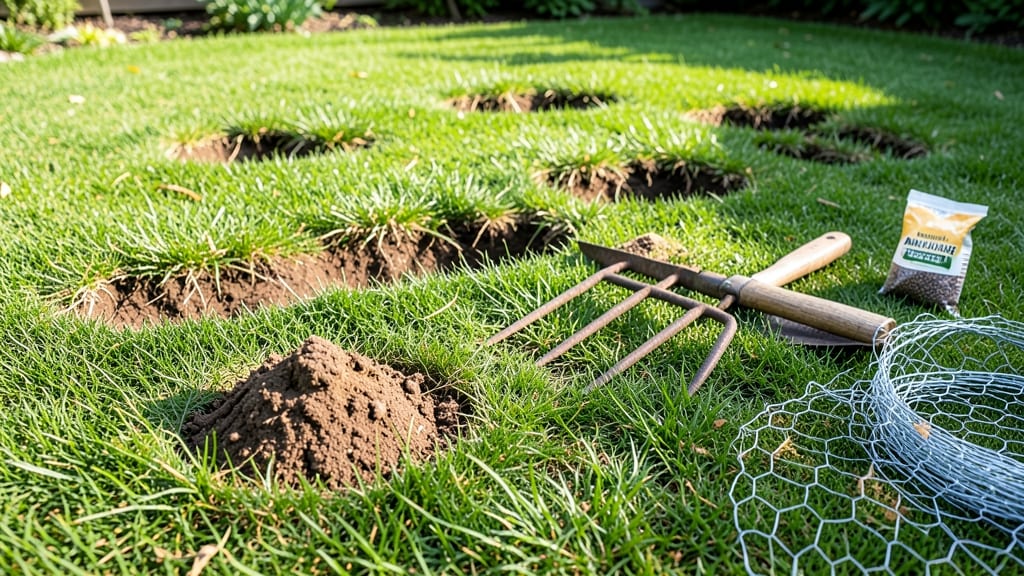
Your lawn is a crime scene of tiny tunnels and fresh dirt mounds—holes in lawn from animals ruin the picture-perfect look you worked so hard for. 🌱 I’ve spent three summers chasing moles, voles, and grubs out of my yard, and I’ve finally cracked the code on traps that actually work within a day—not weeks of guessing.
The culprits aren’t all the same: moles leave raised tunnels, voles create shallow holes with chewed grass, and grubs leave patchy brown spots that lift like a rug.
Each needs a different trap—from scissor traps for moles to snap traps for voles—and the key is setting them right where you see the damage, not just randomly. By tonight, you’ll have those tunnels sealed and the critters relocated (or dead, if that’s your preference).
The best part? No more digging up your lawn to check traps every morning—just set it, forget it, and watch the holes disappear within 24 hours. Once the pests are gone, patch the holes with a mix of topsoil and grass seed.
Water it in, and in a couple of weeks, your lawn will look like it never happened. Here’s how to identify the pest and pick the right trap for it—no more guesswork.
The Hidden Causes Behind Lawn Digging
If your lawn looks like it’s been hit by a tiny, furry bulldozer, you’re not alone. Unearth the truth behind why animals—especially moles, voles, gophers, or even curious dogs—are turning your yard into a Swiss cheese landscape.
Understanding the why is the first step to stopping the damage. Here’s what’s really going on beneath the surface.
Moles are obsessional diggers, but they don’t just burrow for fun—they’re hunting machines. Their primary diet is earthworms, grubs, and insects, and their tunnel systems are high-speed highways to a buffet. Here’s the science:
- Sensory-Driven Digging: Moles have tiny eyes covered by fur and skin (they can’t see well) but exceptional hearing and a super-sensitive nose. They detect prey vibrations and smells up to 4 feet underground—like a subterranean GPS for snacks.
- Territorial Instincts: A single mole can claim ¼ to 1 acre of land as its domain. If another mole (or even a predator like an owl) encroaches, it digs deeper and faster to defend its turf.
- Seasonal Surges: Warm, moist soil in spring and fall is mole paradise. Earthworms thrive in these conditions, so moles go into overdrive, creating more tunnels and mounds.
💡 Pro Tip: If you see raised, winding ridges (not just holes), that’s a mole highway. The holes are just escape hatches when they hit obstacles like rocks or roots.
These rodent engineers don’t just dig—they construct entire underground cities with chambers for nesting, food storage, and escape routes. Their holes aren’t random; they’re strategic. Here’s why:
- Food Scarcity Drives Digging: Voles and gophers are herbivores, but they don’t just munch grass—they cache food (like seeds, bulbs, and roots) in underground burrows. If your lawn has thick thatch or compacted soil, they’ll dig deeper to avoid predators and store supplies.
- Predator Paranoia: Above-ground, they’re sitting ducks for hawks, cats, and dogs. Their tunnels have multiple exits and blind alleys to confuse predators (and your shovel).
- Population Explosions: A single female vole can have 5-6 litters a year with 5-8 babies each. That’s 50+ voles per year in your yard—each with a digging license.
🌡️ Key Trigger: Overwatered or newly seeded lawns attract voles because the soft soil is easy to dig, and the grass seeds are a protein-rich snack.
If your pup is the culprit, it’s not just boredom—it’s instinct, training gaps, or even health issues. Here’s what’s really motivating Fido:
- Ancestral Hunting Drives: Dogs are descendants of wolves and terriers, bred to dig out prey. Even a 5-pound Chihuahua has the instinct to unearth “treasure” (like grubs, bones, or even your neighbor’s lost socks).
- Boredom & Lack of Stimulation: A dog with no mental or physical exercise will redirect energy into digging. Think of it like a toddler with a shovel—destructive fun.
- Medical Issues: Excessive digging can signal anxiety, compulsive disorders, or even pain (e.g., arthritis making them seek soft ground). If your dog digs aggressively at night, it might be stress-related.
- Territorial Marking: Dogs dig to bury scents (like other animals’ urine) or to cover their own scent from predators. Yes, even in your “safe” suburban yard.
🔥 Warning Sign: If your dog’s holes are deep, precise, and accompanied by frantic scratching, it could be a compulsive disorder—like a dog with OCD.
Not all lawn holes are made by animals—sometimes, they’re collateral damage from a grub buffet. Here’s how it works:
- Grubs Are the All-You-Can-Eat Buffet: White grubs (larvae of beetles like Japanese beetles) munch on grass roots until the lawn becomes spongy and weak. Moles and skunks love this easy meal and dig up the turf to get to them.
- Ant Farms Underground: Carpenter ants and harvester ants create extensive tunnel systems to protect their colonies. When they relocate or expand, they push up soil in small, crater-like holes.
- Termite Tunnels: While termites don’t create visible holes, their mud tubes can collapse and create sinkholes in your lawn if left unchecked.
🎯 Actionable Clue: If holes appear suddenly in patches (not random tunnels), check for yellowing grass or spongy spots—a sign of grub damage attracting diggers.
Quick Fixes for Lawn Damage
Discovering holes in your lawn can be frustrating, but the good news is that most causes have straightforward solutions—especially when you act fast. Below, we’ve mapped out the most common culprits and the easy, effective fixes to restore your yard to its lush best.
Plus, we’ll share prevention tips to keep those pesky intruders away for good.
Moles are notorious for tunneling underground, leaving behind telltale mounds of dirt. While they don’t eat plants, their burrows can damage roots and create uneven terrain.
How to Fix It
- 🔥 Identify Active Tunnels Moles dig year-round, but their activity peaks in spring and fall. Look for fresh mounds (usually fan-shaped) and live tunnels (soft, moist dirt that crumbles easily). If the dirt is dry and hard, the tunnels are likely abandoned.
- 🍳 Cast Iron Moles (Humane Traps)
Use scissor traps or bucket traps placed along active tunnels. Bait with earthworms or grubs. Check traps every 12–24 hours—moles are quick and can escape if left too long.
💡 Pro Tip: Place traps perpendicular to the tunnel (not along it) for better results.
- 👨🍳 Repurpose the Lawn Once moles vacate, fill in shallow tunnels with sand or topsoil to smooth the surface. For deeper holes, mix in compost to encourage grass regrowth.
- 🌱 Prevent Future Visits
Moles are attracted to grubs, worms, and insects. Reduce their food sources by:
- Applying beneficial nematodes to target grubs.
- Avoiding overwatering (moles love moist soil).
- Planting mole-resistant ground covers like clover or creeping thyme.
Gophers (or pocket gophers) create deep, vertical holes and feast on roots, bulbs, and young plants. Unlike moles, they eat what they dig up, making them even more destructive.
How to Fix It
- 🔪 Set Snap Traps Use large, heavy-duty traps baited with apples, nuts, or fresh veggies. Place them at the entrance of active burrows (gophers enter and exit the same hole). Check traps daily—they’re cruel but effective.
- 🏗️ Block Their Access
Gophers dig underground tunnels, so block their paths with:
- Hardware cloth (1/4-inch mesh) buried 2 feet deep around garden beds.
- Castor oil pellets (non-toxic repellent) placed near holes.
- ⏰ Fill and Fortify After removing the gopher, fill holes with gravel or sharp rocks to deter return visits. For planting areas, use wire baskets to protect bulbs and roots.
Birds, squirrels, and even raccoons dig shallow holes to cache food or nest. While less destructive than moles or gophers, these holes can still scalp your lawn and create tripping hazards.
How to Fix It
- 🎯 Remove the Temptation Store birdseed in metal feeders (not on the ground) and secure trash cans. For squirrels, prune tree branches near your yard to limit digging spots.
- 🌡️ Use Deterrents Sprinkle coarse sand or gravel around problem areas—animals dislike the texture. You can also try motion-activated sprinklers to startle them away.
- 🔄 Restore the Turf Rake out loose dirt, then overseed the bare spots. For stubborn patches, apply a thin layer of compost to encourage regrowth.
While not digging holes themselves, grubs and ants create conditions that attract larger pests (like moles) or leave behind weakened turf that pulls up easily.
How to Fix It
- 🔦 Inspect the Damage Lift a small section of lawn—if you see white grubs or ant mounds, you’ve found the culprit. Grubs thrive in overwatered, compacted soil.
- 💪 Treat the Soil
- For grubs: Apply beneficial nematodes or milky spore (a natural bacteria) in early spring.
- For ants: Use boiling water on mounds or diatomaceous earth (food-grade) around the perimeter.
- 🌱 Revive the Grass Aerate compacted soil and top-dress with compost. Overseed thin areas to outcompete weeds that attract insects.
Remember: The key to long-term success is prevention. Regular lawn maintenance—like core aeration, proper watering, and pest monitoring—will make your yard far less appealing to unwanted diggers. 🚀
Frequently asked questions
How can I tell if my lawn holes are from moles vs. voles?
Mole holes appear as raised, winding ridges with fan-shaped mounds (their escape hatches), while vole holes are shallow, irregular craters with chewed grass around them. Moles create underground tunnels for hunting, while voles dig surface-level burrows for food storage. Check for yellowing grass patches—voles eat plants, moles don’t.
Are there humane ways to remove animals from my lawn?
Yes! For moles, use bucket traps (bury a bucket halfway, bait with grubs, and cover with soil). For voles, try castor oil pellets (non-toxic repellent) or live traps relocated far from your yard. Avoid poison—it can harm pets and wildlife. Always release trapped animals at least 2 miles away to prevent return visits.
What’s the fastest way to patch holes after removing the animal?
Fill shallow holes with a mix of topsoil and compost, then sprinkle grass seed and water daily for 7-10 days. For deeper holes, add sand to prevent settling. Use a lawn roller to press the patch firmly into place. Avoid walking on it until new grass grows in.
Can overwatering make lawn holes worse?
Overwatering creates soft, moist soil that attracts moles (who love hunting in damp conditions) and voles (who dig for buried seeds). Water deeply but 2-3 times per week instead of daily shallow watering. Let grass dry slightly between waterings to deter pests.
What should I do if my dog keeps digging holes in the yard?
First, rule out medical issues (like arthritis) or anxiety. Provide digging alternatives like a sandbox or buried toys. Use motion-activated sprinklers or chicken wire buried 6 inches deep around problem areas. Train with commands like "leave it" and reward when they stop.