
Lawn
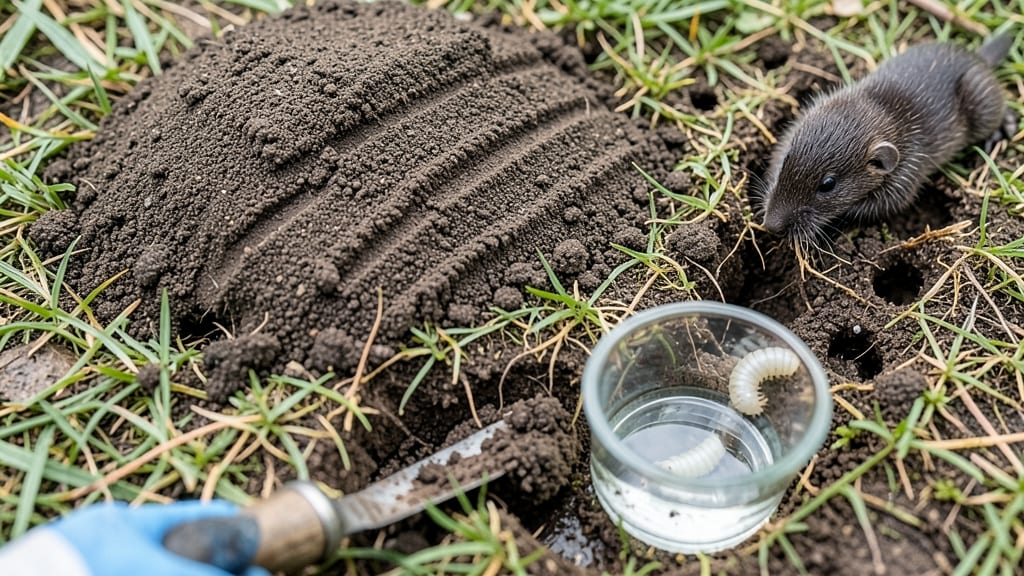
What causes holes in lawn can turn your once-smooth yard into a cratered mess overnight—until you spot the clues. I’ve watched my lawn transform from lush green to Swiss cheese, only to learn the damage was from grubs, moles, or even pets digging up the turf. The problem isn’t just unsightly; it’s a sign your lawn’s health is under attack, and without action, it’ll only get worse.
Most holes reveal their culprit through size and shape: half-inch grubs leave tiny, irregular craters, while moles create neat, volcano-like mounds with no grass. Pets? Look for scattered patches with chewed blades, not clean holes.
The worst time? Late summer when grubs are most active—and your lawn’s defenses are weakest. Ignore it now, and you’ll be patching holes all fall.
Here’s the good news: fixing it starts with one simple step—identifying the pest. Once you know if it’s grubs, moles, or something else, you can target the solution: milky spore for grubs, castor oil repellent for moles, or re-seeding bare spots for pet damage.
I’ve tried them all, and the results are night-and-day different.
Don’t wait until your lawn looks like a golf course rough. The fixes work best when you catch the problem early—before the pests move on to your neighbor’s yard. Let’s get your grass back to smooth in no time.
Hidden Forces Behind Lawn Damage
Your lawn’s mysterious holes aren’t just random—each one tells a story, often written by tiny but relentless forces lurking beneath the surface. From voracious insects to environmental stressors, these culprits turn your green canvas into a patchwork of brown craters.
Let’s dig into the science behind why these holes appear and how they multiply.
Grubs, the larvae of beetles like Japanese beetles or June bugs, are the #1 culprit behind sudden lawn holes. These C-shaped, white larvae thrive in moist soil, feasting on grass roots like a buffet. As they grow, they weaken the grass, making it easy for wind, foot traffic, or even a child’s toy to rip out patches—leaving behind telltale holes.Why it happens:
- Root starvation: Grubs sever grass roots, cutting off nutrients and water. Without a strong anchor, blades turn brown and pull up easily.
- Seasonal cycles: Grubs hatch in late spring/early summer and peak in fall, aligning with when lawns show the most damage.
- Overwatered soil: Too much moisture creates the perfect grub habitat. Drought-stressed lawns, however, are less appealing to them.
💡 Pro Tip: Look for chewed roots (like a sawed-off straw) when pulling up grass. If you find grubs wriggling in the soil, you’ve found your suspect.
While moles and voles don’t eat grass, their tunneling habits indirectly create holes by disrupting soil structure and exposing roots to decay. Moles target insects (like grubs), while voles gnaw on roots and stems for food—both leaving behind a trail of destruction.Why it happens:
- Mole tunnels: These critters dig shallow, winding paths (1–2 inches deep) to hunt grubs. When they surface, they create volcano-like mounds of dirt.
- Vole damage: Voles create irregular holes (often near fences or woodpiles) and chew grass stems at the base, causing patches to collapse.
- Dense, moist soil: Both pests thrive in loamy, well-drained soil—common in shaded or overwatered lawns.
🔍 Tell Them Apart:
Mole Signs
Vole Signs
Small, fan-shaped mounds; no gnawed grass
Holes with shredded grass or chewed stems; runways in snow
Active at dawn/dusk
Most active at night
Why it happens:
- Drought or heat stress: When grass blades dry out, they curl and die, making them vulnerable to being pulled up by wind or foot traffic.
- Frost heave: In winter, freezing/thawing cycles cause soil to expand and contract, pushing grass blades out of the ground like tiny divots.
- Compacted soil: Heavy foot traffic or machinery densifies soil, preventing roots from accessing air and water. Grass weakens, and patches pull up easily.
- Poor drainage: Waterlogged areas smother roots, leading to fungal diseases (like brown patch) that kill grass in patches.
🌡️ Pro Tip: After heavy rain or drought, test soil moisture by pushing a screwdriver into the ground. If it resists at 1–2 inches deep, your soil is compacted.
Sometimes, the holes in your lawn are self-inflicted. Kids playing, pets digging, or even lawn equipment can turn your yard into a crime scene of unintentional destruction.Why it happens:
- Pet digging: Dogs (especially breeds like terriers) dig to bury toys or cool off, creating deep, irregular holes.
- Foot traffic: Walking on wet grass compacts soil and shears roots, leading to thin patches that pull up easily.
- Lawn equipment: Mowers, aerators, or trimmers can rip out grass if set too low or used on uneven terrain.
- Construction or aeration: Even proper lawn care (like aerating) can create temporary holes if done incorrectly.
👨🍳 Action Step: If holes appear after a game of frisbee or a rainy day, patch the area with seed and topsoil to prevent erosion.
Each of these causes leaves behind a unique signature—whether it’s the chewed roots of grubs, the tunnels of moles, or the uneven divots of frost heave.
The first step to fixing your lawn is identifying who or what is behind the damage. Next up: how to diagnose and treat these holes before they spread.
Fixing Lawn Holes Fast
Now that you know what’s causing those pesky holes in your lawn, it’s time to roll up your sleeves and get to work! 🌱 Each issue requires a targeted approach, but the good news is that most fixes are straightforward once you identify the culprit.
Below, we’ve mapped out practical solutions for each common cause—plus prevention tips to keep your lawn lush and hole-free for good.
---
Fix: The goal here is to starve, suffocate, or eliminate the grubs before they wreak more havoc.
#### 🔥 Step 1: Apply a Grub Killer - Chemical Treatments (Fastest Fix): Use imidacloprid or chlorantraniliprole (found in products like Merit GR or Bayer Advanced Grub Killer).
Follow label instructions for application rates—usually a spring or early summer treatment works best. - Pro Tip: 💡 Water the lawn lightly after applying to help the chemical absorb into the soil.
- Natural Alternatives (Slower but Safer): - Nematodes (Beneficial Worms): Microscopic heterorhabditis bacteriophora nematodes hunt grubs naturally. Apply in early evening when soil is moist (use a sprayer or drip irrigation).
Reapply every 4–6 weeks. - Milky Spore (Long-Term Solution): A bacteria that targets Japanese beetle grubs. Takes 1–2 years to establish but provides seasonal protection afterward.
#### 🍳 Step 2: Aerate & Overseed Grubs leave behind thin, patchy areas—fix them by: 1. Aerating the lawn (rent a core aerator or use a manual spiker) to loosen compacted soil. 2. Overseeding with tall fescue or Kentucky bluegrass (cool-season grasses) or Bermuda or Zoysia (warm-season grasses).
Use a starter fertilizer (high in phosphorus) to help roots establish. 3. Water deeply (1 inch per week) to encourage new growth.
#### 🌡️ Step 3: Prevent Future Infestations - Mow high (3–4 inches) to shade soil and deter egg-laying. - Reduce irrigation slightly—grubs thrive in overly moist soil. - Encourage natural predators like birds (install a birdhouse!) and toads.
---
Fix: If critters are the culprits, deterrence and repair are key.
#### 👨🍳 Step 1: Identify & Remove the Culprit - Raccoons/Skunks: Set up motion-activated lights or sprinklers near problem areas.
Remove food sources (like unsecured trash cans). - Dogs/Cats: Train pets to avoid digging in the lawn (use command training or provide a designated digging spot). - Moles/Voles: Install castor oil-based repellents or ultrasonic spikes (for moles). For voles, use hardware cloth barriers (bury 12 inches deep).
#### 🥘 Step 2: Patch the Damage 1. Rake out debris and loosen the soil with a garden fork. 2. Fill holes with a mix of topsoil and compost (50/50 ratio).
3. Sprinkle grass seed and cover lightly with straw to retain moisture. 4. Water gently daily until new grass sprouts (usually 7–14 days).
#### ✨ Step 3: Make Your Lawn Less Appealing - Keep grass tall (3–4 inches) to discourage digging. - Remove ground cover (like mulch piles) that attracts burrowing animals. - Use chicken wire temporarily over high-traffic digging spots.
---
Fix: Improve drainage and soil health to prevent erosion and compaction.
#### 🔪 Step 1: Improve Drainage - For Low Spots: - Dig a slight trench around the hole and fill it with gravel or sand to redirect water. - Plant deep-rooted grasses (like tall fescue) to stabilize the area. - For Compacted Soil: - Aerate the lawn (rent a core aerator or use a manual spiker). - Top-dress with 1/4 inch of compost to improve soil structure.
#### ⏰ Step 2: Strengthen the Lawn - Test your soil (use a DIY kit from a garden center) and amend based on results (e.g., add lime for acidic soil). - Apply a slow-release fertilizer (like 16-4-8) in early spring or fall. - Water deeply but infrequently (1–1.5 inches per week) to encourage deep roots.
#### 🎯 Step 3: Prevent Future Erosion - Install a swale (a shallow trench) to redirect water flow away from vulnerable areas. - Use erosion-control blankets (biodegradable fabric) on sloped sections until grass establishes. - Plant ground covers (like clover) in high-traffic or erosion-prone zones.
---
- Mow regularly (never remove more than 1/3 of the grass blade at a time). - Dethatch annually if your lawn has a thick thatch layer (over ½ inch). - Rotate fertilizers to avoid overfeeding, which attracts pests. - Inspect your lawn monthly for early signs of damage (look for wilted patches, tunnels, or increased bird activity).
--- Remember: Consistency is key! Lawn repair takes time, but with the right fixes, your grass will bounce back stronger than ever. 🌱💪
Frequently asked questions about lawn holes
How can I tell if moles or voles are causing my lawn holes?
Look for these clues: moles create small, fan-shaped mounds of dirt (no chewed grass) and are active at dawn/dusk. Voles leave irregular holes with shredded grass and chewed stems, plus runways in snow. Voles also gnaw at the base of plants, while moles just dig tunnels.
What’s the fastest way to patch a hole in my lawn?
For small holes, mix topsoil and compost (50/50), fill the hole, sprinkle grass seed, and cover lightly with straw. Water daily until new grass sprouts (7-14 days). For larger areas, rent a core aerator to loosen soil first. Pro tip: Use a starter fertilizer to help roots establish faster.
Are grubs really the main cause of lawn holes?
Yes! Grubs—larvae of beetles like Japanese beetles—are the #1 culprit because they sever grass roots, making patches pull up easily. Look for chewed roots (like sawed straw) when you lift grass. They thrive in moist soil during late spring/fall. Test for grubs by digging up a 6-inch square of lawn—if you find 5+ grubs, treatment is needed.
Will overwatering my lawn make holes worse?
Yes—overwatering creates the perfect grub habitat, while underwatering can stress grass, making it easier for wind or pets to pull up patches. Aim for 1 inch of water per week (including rain) and water deeply but infrequently to encourage strong roots. Adjust based on your climate: cool seasons need more water than hot/dry periods.
Can I prevent lawn holes from pets digging?
Train pets to avoid digging in the lawn using commands or provide a designated sandpit. For stubborn diggers, use chicken wire buried 6 inches deep around problem areas. Also, keep grass 3-4 inches tall—taller grass discourages digging. If holes appear, patch them immediately with topsoil and seed.