
Lawn
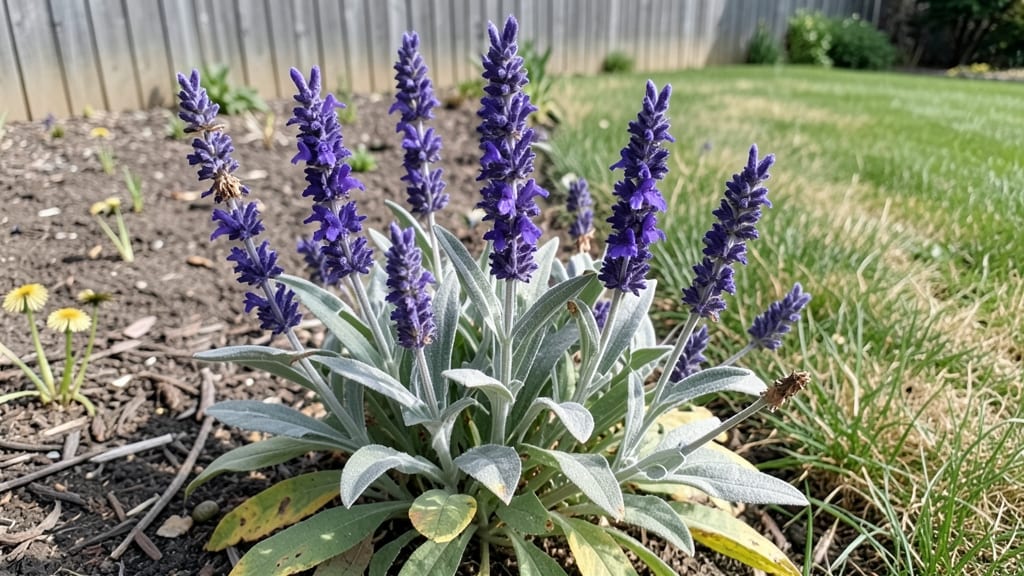
Creating a lawn with green grass and purple flowers is easier than you think—no boring monochrome required!
Imagine a lush green lawn that doubles as a vibrant purple-flowered garden—no compromise needed. These drought-tolerant perennials thrive in summer heat while adding stunning color, making them the ultimate low-maintenance solution for sun-loving gardeners.
Catmint (Nepeta) 🌸 is one standout choice, offering silvery foliage and lavender-blue blooms that attract pollinators while staying tough in USDA Zone 6a. Plant it in spring (March–April) for a burst of color that lasts all season.
Below, I’ll show you how to mix these purple bloomers with grass for a natural, cohesive look—plus tips to keep everything thriving with minimal effort.
Top 5 drought-tolerant perennials for green grass and purple flowers
Creating a garden that balances lush green grass with vibrant purple flowers is easier than you think. These drought-tolerant perennials thrive in hot, dry climates while adding stunning color contrast. They’re perfect for gardeners who want low-maintenance beauty without sacrificing aesthetics or water efficiency.
The key is selecting plants that maintain their green foliage while producing purple blooms that complement grassy areas. These perennials also support pollinators like bees and butterflies, making your garden both beautiful and ecologically friendly. Let’s explore the top 5 options that will transform your outdoor space with minimal effort.
| Plant | Purple Bloom Color | Sunlight Needs | Water Needs | Hardiness Zones |
|---|---|---|---|---|
| Catmint (Nepeta) | Lavender-purple | Full sun (6+ hours) | Drought-tolerant | 3-9 |
| Russian Sage (Perovskia) | Soft purple | Full sun | Low water | 4-9 |
| Purple Coneflower (Echinacea) | Deep magenta | Full sun to part shade | Moderate | 3-9 |
| Lavender (Lavandula) | Lilac-purple | Full sun | Very low | 5-9 |
| Bee Balm (Monarda) | Vibrant purple | Full sun to part shade | Moderate | 4-9 |
Catmint (Nepeta) is my go-to for drought-resistant purple blooms. Its silver-green foliage stays lush even in dry spells, and the lavender-purple flowers attract pollinators all summer. Plant it in full sun with well-draining soil, and it’ll reward you with months of color while requiring almost no water once established.
Russian Sage (Perovskia) offers airy purple spikes that sway beautifully in the breeze. This hardy perennial thrives in hot, dry conditions and pairs perfectly with green grass or ornamental grasses. Its silvery foliage adds texture, making it a standout in any landscape. Just give it full sun and minimal watering to keep it happy.
Purple Coneflower (Echinacea) is a pollinator magnet with deep magenta blooms that last from summer to fall. Unlike many perennials, it stays green and healthy with moderate watering and well-draining soil. This plant is also disease-resistant, making it a low-maintenance choice for busy gardeners.
If you love the scent of lavender, this fragrant perennial will delight your senses. Lavender thrives in full sun and drought conditions, making it ideal for water-wise gardens.
Its lilac-purple flowers and silvery-green foliage create a soothing contrast with green grass, while its calming aroma adds an extra layer of relaxation to your outdoor space.
Bee Balm (Monarda) brings vibrant purple blooms and a citrusy fragrance that hummingbirds and bees adore. While it prefers moist, well-draining soil, it’s more tolerant of drought than many perennials. Plant it in part shade to full sun for the best results, and watch it transform your garden into a living pollinator paradise.
To maximize the visual impact of these purple-flowering perennials against green grass, consider planting them in clusters or drifts. This creates a natural, meadow-like look while ensuring the color contrast pops. Pair them with ornamental grasses like Maiden Grass or Feather Reed Grass for added texture and movement.
For best results, mulch around the base of these plants to retain moisture and suppress weeds. Use organic mulch like straw or wood chips, and avoid overwatering once they’re established.
These drought-tolerant perennials are designed to thrive with minimal care, so let them teach you the art of low-maintenance gardening.
Whether you’re designing a front yard oasis, a backyard retreat, or a pollinator
How to combine purple-flowering perennials with grass for a natural look
A natural-looking garden blends green grass with purple flowers seamlessly, creating a cohesive meadow vibe. The key is choosing perennials that tolerate foot traffic and thrive in similar conditions as your lawn.
Start by selecting drought-tolerant varieties like Russian sage or catmint, which pair beautifully with fine fescue grass.
For a low-maintenance approach, focus on 3-4 foot spacing between plants to allow grass to fill gaps naturally. Group taller perennials like purple coneflower at the back of your design, while shorter lavender or salvia can edge walkways.
This creates a layered effect that enhances the natural transition between grass and blooms.
- 🌱 Plant Spacing: Space perennials 18-24 inches apart for grass to grow between them. Use 3-4 feet spacing for taller varieties like Russian sage.
- 🌿 Soil Prep: Amend clay soil with compost to improve drainage. Test pH—most purple perennials prefer 6.0-7.0 for optimal growth.
- ☀️ Sunlight Needs: Ensure 6+ hours of full sun daily. Pair sun-loving perennials like salvia with sun-tolerant grass varieties.
- 💧 Watering Strategy: Water deeply 1-2 times per week during establishment. Once rooted, reduce to weekly watering to encourage drought tolerance.
- ✂️ Maintenance Tip: Mow grass high (3-4 inches) to shade soil and retain moisture. Trim perennials after blooming to prevent seed spread.
Use companion planting to enhance color contrast and reduce pests. Pair purple-flowering perennials like catmint with white or silver foliage plants (e.g., lamb’s ear) to make the purple pop against the green grass backdrop. Avoid planting heavy feeders like daylilies near grass, as they compete for nutrients.
For a wildflower meadow effect, let some areas grow taller while keeping walkways mowed. Use ornamental grasses like purple moor grass to add texture and movement. These grasses thrive in dry conditions and complement purple blooms beautifully while requiring minimal care.
Seasonal color shifts are easy with layered blooming times. Plant early bloomers like crocus in spring, followed by summer perennials like black-eyed Susan, and finish with fall-blooming asters. This ensures your green grass with purple flowers stays vibrant from March through October.
Finally, mulch with organic matter like straw or wood chips to suppress weeds and retain moisture. This keeps your purple garden beds looking tidy while supporting healthy grass growth nearby. With these tips, your lawn will become a colorful, low-maintenance oasis that feels effortless yet stunning.