
Plants
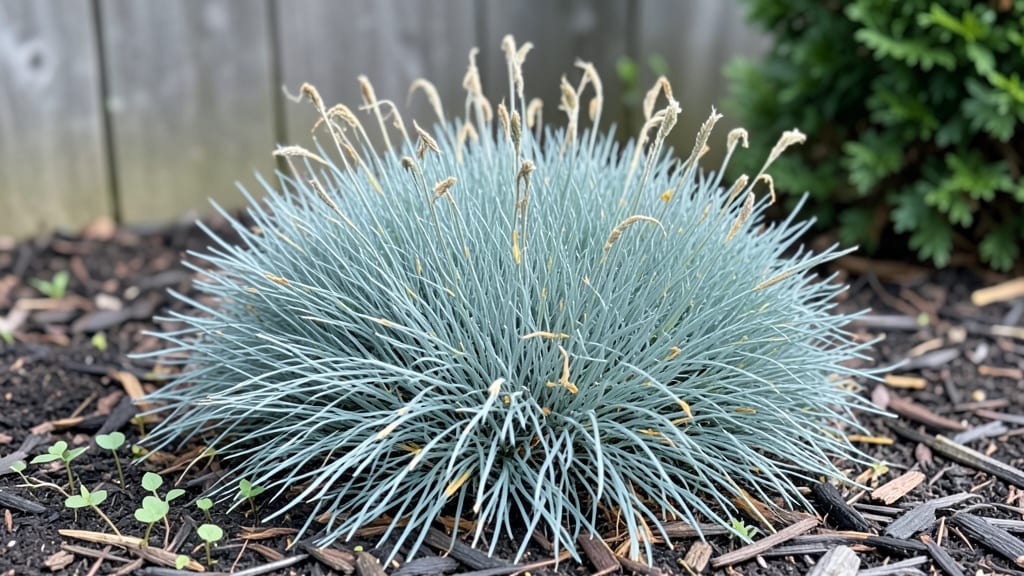
"Elijah Blue Fescue grass care starts with understanding why this ornamental grass thrives where others fail. 🌱 I planted mine last spring in a shady corner where nothing else would grow, and now it's the star of my garden with its striking blue-green blades and airy texture.
The secret lies in its adaptability—it handles shade, drought, and poor soil better than most plants, yet still looks intentional and lush.
You won’t need fancy equipment or hours of maintenance. A well-draining soil mix, occasional watering, and minimal pruning keep it looking effortless. Even in winter, it holds its color and structure, making it a year-round performer.
The key is working with its natural tendencies rather than fighting them—no mowing, no fuss, just stunning results.
By summer, you’ll see it spreading gently into that perfect, velvety clump, swaying with the breeze. It’s the kind of plant that makes neighbors ask, "What’s that?" and then wish they had one too.
The best part? It’s practically pest-proof and drought-tolerant once established, so you’ll spend more time admiring it than working on it.
Whether you’re filling a shady spot, lining a pathway, or adding texture to a border, Elijah Blue Fescue delivers drama with almost no effort. Let’s get it growing—your garden’s next standout moment is just a few steps away.
📚 In This Guide
- What you need
- Instructions
- Tips and common mistakes
- Wrapping up and next steps
What you need
- ● Elijah Blue Fescue plants – 1-3 plants per 2-3 square feet (or follow spacing guidelines for your desired look).
- ● Well-draining potting mix or garden soil – A blend of 50% native soil and 50% compost or sand for optimal drainage (avoid heavy clay).
- ● Organic mulch – 1-2 inches of shredded bark, straw, or pine needles to retain moisture and suppress weeds.
- ● Slow-release granular fertilizer – A balanced 10-10-10 or 5-10-5 formula (apply in early spring).
- ● Watering can or hose with a gentle spray nozzle – For deep but infrequent watering.
- ● Garden trowel or spade – For planting and soil amendments.
- ● Pruning shears or hedge clippers – To trim back dead foliage in late winter or early spring.
- ● Gloves – Heavy-duty work gloves to protect your hands.
- ● Measuring tape or ruler – For precise spacing (Elijah Blue grows 12-18" tall and spreads 12-18" wide).
- ● Compost tea or liquid seaweed fertilizer – For a nutrient boost during the growing season.
- ● Garden stakes or decorative rocks – To add visual interest or mark plant boundaries.
- ● Rain gauge or moisture meter – To monitor watering needs (Elijah Blue is drought-tolerant but prefers consistency).
- ● Bird netting (if needed) – To protect young plants from hungry critters.
How to maintain Elijah Blue Fescue grass for a vibrant, low-maintenance lawn
This drought-tolerant beauty thrives with simple care—here's exactly how to keep it lush all year.
🌱 Step 1: Establish Proper Watering Routine for New Plantings
After planting, water deeply 2-3 times per week for the first 4-6 weeks until you see new growth reaching 2-3 inches. Use a soaker hose or sprinkler to deliver 1-1.5 inches of water each session, focusing on the root zone. Watering too lightly encourages shallow roots that struggle during dry spells.
Here's the thing—water in the early morning between 6-9 AM. This prevents fungal issues from evening moisture and gives leaves time to dry before nightfall. You'll notice the grass blades stand upright rather than wilting by afternoon, signaling proper hydration.
☀️ Step 2: Provide Optimal Sunlight and Air Circulation
Elijah Blue thrives in full sun to partial shade (6+ hours of sunlight daily). If your lawn gets afternoon shade, it'll still perform beautifully—just expect slightly slower growth. The key is avoiding hot, reflected heat from walls or pavement, which can scorch the fine blades.
Mow when the grass reaches 3-3.5 inches tall, never removing more than one-third of the blade height at a time. Sharp mower blades are critical—dull blades tear the grass, creating openings for disease. You'll see a cleaner cut and less brown tips when using properly maintained equipment.
💧 Step 3: Adjust Watering for Mature Grass Through Seasons
Once established, reduce watering to 1 inch per week, including rainfall. Check moisture by probing 2-3 inches deep with a screwdriver—if it slides in easily, you're good. During summer droughts, water deeply every 7-10 days rather than frequent shallow waterings to encourage deep root growth.
In fall and winter, water only when necessary—this grass is naturally drought-resistant. Look for blue-gray coloration as a sign it's dormant and doesn't need irrigation. Overwatering in cool months leads to fungal problems like brown patch, which can persist for years.
✂️ Step 4: Fertilize Strategically for Year-Round Health
Apply ½ pound of slow-release fertilizer per 1,000 sq ft in early spring (March-April) when you see new growth appear. Avoid high-nitrogen fertilizers—this grass prefers balanced formulas (10-10-10 or 12-12-12). Over-fertilizing causes thatch buildup and weakens the plant's natural drought tolerance.
Skip summer fertilizing unless your lawn shows signs of stress like yellowing. Instead, top-dress with ½ inch of compost in fall (October-November) to improve soil structure. You'll notice richer color and better winter hardiness after just one season of this approach.
🪴 Step 5: Control Weeds and Pests Naturally
Hand-pull weeds when they're small—this grass' fine texture makes it competitive once established. For stubborn weeds like clover, spot-treat with vinegar-based herbicide in late summer when grass is actively growing. Avoid pre-emergent herbicides that can harm new seedlings.
Watch for white grubs or chinch bugs, which prefer stressed grass. Treat infestations with beneficial nematodes or neem oil—chemical pesticides disrupt the soil microbiome this grass relies on. You'll know you've caught a problem early when you see irregular brown patches that lift easily when tugged.
Tips & tricks for perfect Elijah Blue Fescue grass care
These simple strategies will help you maintain your Elijah Blue Fescue lawn with minimal effort while keeping it looking its absolute best.
The Watering Secret: When establishing new plantings, those first 4-6 weeks are critical for root development. Instead of watering lightly every day, focus on delivering 1.5 inches at each session—this encourages deep root growth that makes your grass drought-resistant. I use a rain gauge to measure accurately; if you don't have one, a tuna can works perfectly—just fill it with water and place it in your lawn to track rainfall.
Mowing Technique: The 3-3.5 inch height recommendation isn't arbitrary—it's the perfect length for this grass to shade the soil while still allowing sunlight to reach the lower blades. Here's what I do: I set my mower to 3.25 inches and always mow when the grass is dry. This prevents clumping and gives you a cleaner cut. And remember, never remove more than one-third of the blade height at once—that's how you get those brown tips from over-mowing.
Seasonal Adjustments: In summer, you might be tempted to water more frequently, but that's exactly what weakens your grass. Instead, water deeply every 7-10 days to encourage deep root growth. I check moisture by probing with a screwdriver—if it slides in easily at 2-3 inches deep, you're good. In fall, look for that blue-gray coloration as your signal to stop watering entirely. This dormancy period actually strengthens the grass for next season.
Fertilizing Strategy: That ½ pound of slow-release fertilizer per 1,000 sq ft in spring is your golden ticket to year-round health. I always apply it when I see those first signs of new growth in March-April. Pro tip: Use a broadcast spreader for even distribution, and follow up with a light watering to help the granules settle into the soil. In fall, that ½ inch of compost is your secret weapon—it improves soil structure without the risk of over-fertilizing.
Pro Tips for Elijah Blue Fescue Grass Care
- These simple strategies will help you maintain your Elijah Blue Fescue lawn with minimal effort while keeping it looking its absolute best.
- The Watering Secret: When establishing new plantings, those first 4-6 weeks are critical for root development.
- Mowing Technique: The 3-3.5 inch height recommendation isn't arbitrary—it's the perfect length for this grass to shade the soil while still allowing sunlight to reach the lower blades.
Frequently asked questions
Got questions about keeping your Elijah Blue Fescue looking its best? You’re not alone! Here are some of the most common concerns—plus straightforward answers to keep your grass thriving with minimal fuss.
How often should I water Elijah Blue Fescue?
Water deeply 1–2 times per week (about 1–1.5 inches total) during active growth (spring/fall). In summer, water every 5–7 days to prevent drought stress. Morning watering is ideal to reduce evaporation and fungal risks. Pro tip: Let the soil dry slightly between waterings to encourage deep root growth!
When is the best time to mow Elijah Blue Fescue?
Mow when the grass reaches 3–4 inches tall, then trim to 2–3 inches for optimal health. Frequency: Every 2–4 weeks in growing seasons (spring/fall), and reduce or skip mowing in winter dormancy. Sharp blades prevent tearing—dull mowers cause brown tips!
Does Elijah Blue Fescue go dormant in winter?
Yes! This drought-tolerant grass naturally turns brown in winter but stays alive. No need to water or fertilize during dormancy (typically late fall to early spring). Once temperatures rise above 50°F (10°C), it’ll green up again with minimal effort—just remove debris for fresh growth.
What’s the best fertilizer for Elijah Blue Fescue?
Use a slow-release, low-nitrogen fertilizer (e.g., 10-10-10 or organic options like compost). Apply once in early spring and again in fall for steady growth. Avoid over-fertilizing—this grass thrives on less! Overdoing it can burn roots or attract pests.
How do I prevent pests or diseases in Elijah Blue Fescue?
Keep grass healthy and well-drained to deter pests. Common issues:
- Grubs: Apply beneficial nematodes or milky spore in early summer.
- Fungal spots: Improve airflow by thinning dense areas and avoid overhead watering.
- Weeds: Hand-pull or spot-treat with vinegar-based herbicides (safe for fescue).
Wrapping up and next steps
Caring for Elijah Blue Fescue grass is all about embracing its hardy nature and low-maintenance charm! With the right soil, sunlight, and occasional trimming, you’ll enjoy a vibrant lawn that thrives year-round with minimal fuss. 🌱
Now that you’re armed with the best tips, take the next step: visit your local nursery or order seeds to start your own patch of this stunning grass. Whether you’re a seasoned gardener or a beginner, Elijah Blue Fescue makes lawn care feel effortless—and the results are worth it!