
Plants
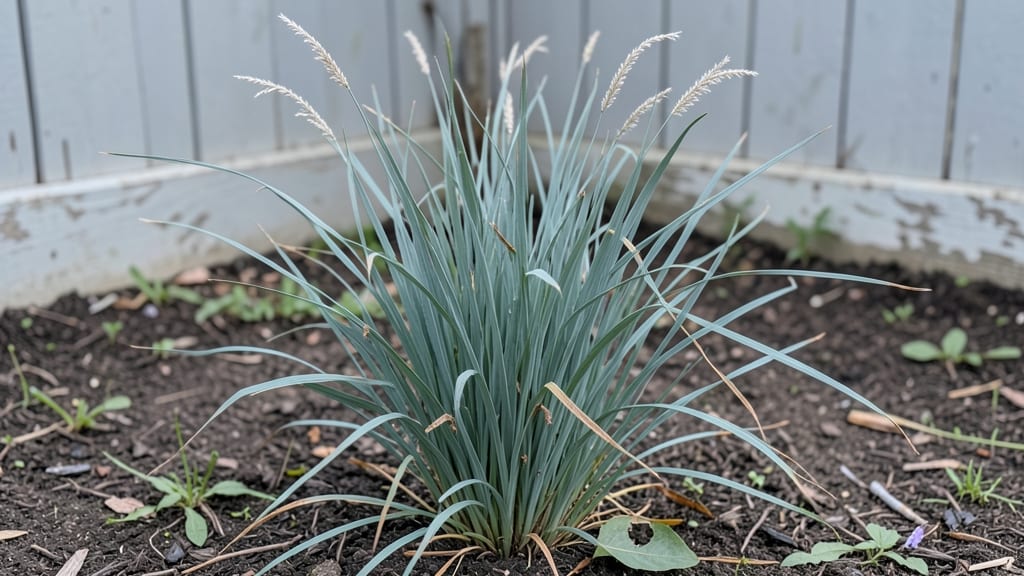
Growing Elijah Blue ornamental grass 🌿 is like adding a splash of cool blue to your garden with almost no effort.
Imagine a plant that brings a cool, calming blue hue to your garden all year—without demanding constant attention. This ornamental grass delivers exactly that, with its striking silver-blue foliage and effortless care requirements.
If you're in USDA Zone 6a, planting in spring or fall gives it the best start, and once established, it thrives with minimal watering. The best part? It keeps its vibrant color through every season, making it a standout in any landscape.
In this guide, I’ll walk you through everything from planting tips to seasonal care, so you can enjoy this low-maintenance beauty with confidence.
Why Elijah Blue ornamental grass stands out in low-maintenance landscaping
If you're dreaming of a garden that thrives with minimal effort but still delivers stunning visual impact, Elijah Blue ornamental grass is your perfect match. This drought-tolerant beauty brings a silver-blue cascade to your landscape while requiring almost no fuss.
Unlike high-maintenance annuals, it stays lush and colorful year-round, making it ideal for modern, low-water gardens.
What truly sets Elijah Blue apart is its adaptability. Whether you're dealing with hot summers, cold winters, or urban heat islands, this grass handles it all. Its arching foliage adds texture and movement, while its cool-toned hues create a soothing contrast against warmer garden elements.
Plus, it’s deer-resistant, which is a bonus for rural or suburban gardeners!
Here’s why Elijah Blue is a game-changer for low-maintenance landscaping, broken down into its standout features:
| Trait | Specification | Why It Matters |
|---|---|---|
| Drought Tolerance | Once established, needs water every 10-14 days | Perfect for water-wise gardens and xeric landscapes |
| Cold Hardiness | USDA Zones 5-9, survives -20°F winters | Thrives in northern climates without winter protection |
| Year-Round Color | Silver-blue foliage in all seasons | Adds winter interest to gardens that lose color |
| Low Maintenance | No pruning needed; trim once yearly if overgrown | Ideal for busy gardeners or automated irrigation systems |
| Deer Resistant | Not a deer favorite; minimal browsing | Great for wildlife-friendly but deer-prone areas |
| Versatile Placement | Thrives in full sun to partial shade | Works in containers, borders, or mass plantings |
One of the biggest selling points of Elijah Blue is its ability to retain color even in harsh conditions. Unlike many ornamental grasses that fade or brown in winter, this variety keeps its silver-blue hue year-round.
This makes it a standout feature in modern landscapes where texture and color consistency are key.
For gardeners in arid climates, the drought tolerance of Elijah Blue is a lifesaver. Once established, it requires minimal watering, making it perfect for xeric gardens or rain gardens. Even in urban environments with poor soil, it adapts well, as long as it gets well-draining conditions.
Another unique advantage is its cold hardiness. Unlike tropical plants that struggle in northern winters, Elijah Blue thrives in USDA Zones 5-9, surviving temperatures as low as -20°F.
This means you can plant it once and enjoy it for decades without replanting. It’s truly a one-and-done solution for perennial color.
If you're designing a modern garden with a minimalist aesthetic, Elijah Blue fits seamlessly. Its arching form and soft blue tones create a calming focal point that pairs well with succulents, lavender, or agave.
Plus, its low height (2-3 feet) makes it ideal for small spaces or container gardening.
For those who love pollinators, Elijah Blue is a quiet hero. While it
How to plant and maintain Elijah Blue grass for maximum impact
Elijah Blue ornamental grass thrives with the right conditions, and the good news is those conditions are simple to meet. This stunning silver-blue grass loves well-draining soil and 6+ hours of sunlight daily, making it perfect for sunny garden beds or containers. Whether you're planting in spring or fall, the key is preparing the soil properly and spacing plants correctly to avoid overcrowding.
Once established, this grass becomes incredibly drought-tolerant, reducing your watering workload. However, during its first year, consistent moisture is crucial for root development.
I’ve found that planting in USDA Zone 6a or warmer gives the best results, as it handles cold winters well but prefers milder climates for optimal growth.
When planting, dig a hole twice as wide as the root ball but only as deep. Gently remove the plant from its container, loosen any circling roots, and place it in the hole.
Backfill with soil and water thoroughly to eliminate air pockets. A 2-inch layer of mulch around the base helps retain moisture and suppress weeds while keeping roots cool.
For seasonal care, focus on light pruning in early spring to remove dead growth and shape the plant. Avoid cutting into old stems, as they provide winter interest.
In summer, reduce watering slightly but keep the soil moist—never let it dry out completely. This grass is low-maintenance, so minimal effort yields maximum visual impact.
If you notice yellowing leaves, it’s often a sign of overwatering or poor drainage. Adjust your watering routine and ensure the soil drains freely. With the right care, your Elijah Blue will reward you with year-round color and a textured backdrop for other plants in your garden.
Pair it with purple or pink flowers for a striking contrast, or let it stand alone as a statement piece. Its arching plumes add movement to borders, while its silver-blue hue brightens even the dullest winter days.