
Lawn
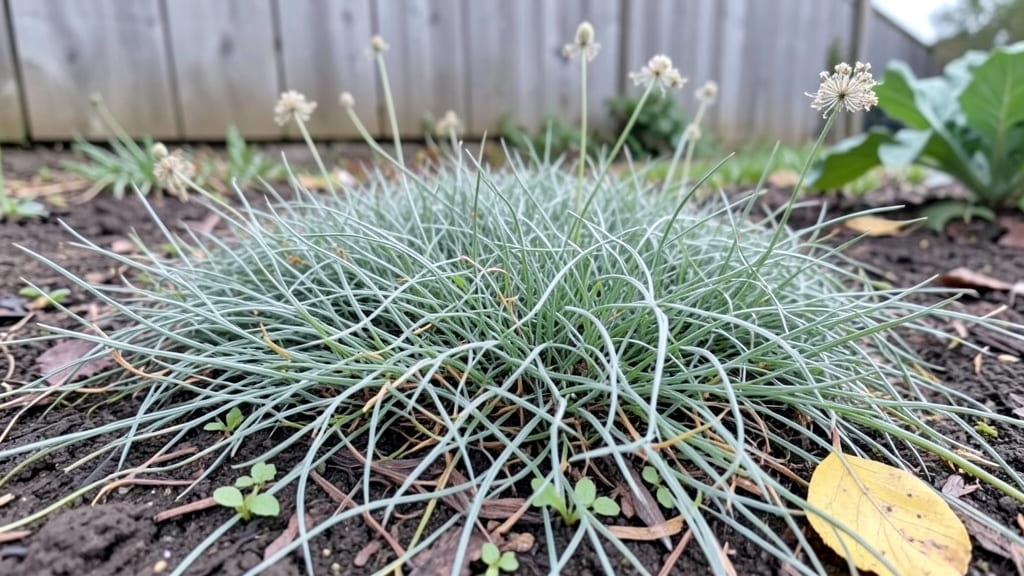
Creeping Charlie—this grass runners weed—can turn your lush lawn into a tangled mess if you don’t act fast. 🌱 I’ve watched it choke out grass in just one growing season, and the key to stopping it isn’t brute force but smart timing and the right tools.
The first step is knowing exactly when to strike, because waiting too long means it’ll dig deeper roots and spread faster.
Most people grab a shovel and dig, but that just fragments the plant and makes it worse. Instead, focus on early spring or fall when the weed is actively growing but before it sets seed.
A sharp spade or weed torch works best—just scrape off the top layer where the runners hide, or singe the foliage to weaken it. For stubborn patches, a vinegar-based spray (3 parts vinegar, 1 part dish soap) does the job without harsh chemicals.
By late summer, your lawn should look thick and green again, with no creeping Charlie in sight. The secret is consistent monitoring—pull new shoots immediately, and top-dress with compost or grass seed to fill bare spots.
This isn’t a one-time fix, but with this method, you’ll break its cycle for good.
Works for both sunny lawns and shaded areas, and the tools you need are already in your garage. Let’s get that lawn back under control—without the headache.
Root Causes Of Lawn Invasion
Grass runners weed—like crabgrass, nutsedge, or creeping bentgrass—don’t just pop up randomly. They thrive because of specific conditions in your lawn, often tied to poor maintenance or environmental factors. Understanding these triggers is the first step to stopping their spread. Here’s why they take over:
🌱 Weakened Turf Defense
A healthy lawn acts like a fortress, crowding out weeds with thick, competitive grass. But when your turf weakens, weeds move in like uninvited guests at a party. Here’s how it happens:
- Thin Grass Cover: Bare spots or patchy lawns leave open soil—an all-you-can-eat buffet for weed seeds. Grass runners spread aggressively into these gaps because they’ve got no competition. 🔍 Pro Tip: Test your soil’s compaction or pH—low fertility or poor drainage can stunt grass growth, making it easier for weeds to invade.
- Dormant or Stressed Grass: Heatwaves, drought, or heavy foot traffic can shock your lawn into dormancy. Weeds like crabgrass germinate in warm soil (above 55°F) and sprout faster than recovering grass. ⚠️ Watch Out: If your lawn turns brown in summer, it’s already vulnerable.
- Improper Mowing: Cutting grass too short (below 2–3 inches) exposes soil to sunlight, encouraging weed seeds to germinate. Creeping bentgrass, for example, spreads via stolons (horizontal stems) when mowed too aggressively. ✂️ Fix It: Adjust your mower height and never remove more than 1/3 of the blade at once.
💧 Watering Woes
Watering habits can either drown weeds or starve them out. Most homeowners unintentionally create the perfect conditions for grass runners:
- Overwatering: Weeds like nutsedge (a sedge, not a grass) thrive in soggy soil. Excess moisture weakens grass roots while giving weeds a hydrated head start. 💡 Hack: Water deeply but infrequently—aim for 1–1.5 inches per week—to encourage deep grass roots that outcompete weeds.
- Inconsistent Watering: Skipping watering sessions creates dry patches where crabgrass seeds lie dormant until the next rain. These weeds germinate in cycles, making them harder to eradicate. 🌧️ Solution: Use a sprinkler timer to maintain even moisture.
- Early Morning Watering: Wet leaves for hours (from evening watering) invite fungal diseases, which further stress your lawn. Weak grass = weed paradise. ⏰ Best Practice: Water before 10 AM to let grass dry quickly.
🌿 Soil & Nutrient Imbalances
Weeds don’t just need space—they need the right soil conditions to flourish. Grass runners exploit imbalances like:
| Problem | How It Helps Weeds | Fix It |
|---|---|---|
| Compacted Soil | Prevents water and oxygen from reaching grass roots, while weeds like dandelions (yes, they’re runners too!) thrive in dense, compacted areas. | Core aerate in spring/fall to loosen soil. |
| High Nitrogen, Low Potassium | Fast-growing weeds (like chickweed) outpace slow-growing grass. Too much nitrogen also attracts broadleaf weeds. | Test soil and balance with a slow-release fertilizer (e.g., 10-10-10). |
| Acidic Soil (pH < 6.0) | Grass struggles, while weeds like moss and clover dominate. Crabgrass prefers slightly acidic soil too. | Add lime to raise pH gradually (aim for 6.0–7.0). |
🔬 Deep Dive: A soil test kit (from your local extension office) costs ~$20 and reveals exactly what’s missing.
🌱 Seed & Spread Sources
Grass runners don’t just grow—they invade. Here’s how they hitch a ride into your lawn:
- Windborne Seeds: Crabgrass seeds travel on breezes and germinate in disturbed soil. A single plant can produce 150,000 seeds per season! 🌬️ Block It: Pre-emergent herbicides in early spring stop seeds from sprouting.
- Animal & Human Transport: Bird droppings, pet paws, or even gardening tools can carry nutsedge tubers or creeping charlie (a stolon-spreading weed) across your yard. 🐦👟 Clean Up: Rinse tools with vinegar and keep pets off treated areas until herbicides dry.
- Hidden Underground Stems: Weeds like field bindweed or bermudagrass spread via rhizomes (underground stems). Even a tiny fragment left in the soil can regrow. 🔪 Dig Deep: Hand-pull weeds and their roots in early spring before they spread.
Grass runners weed doesn’t stand a chance when you tackle the root causes—literally. The next step? Learn how to smother, pull, or treat them before they take over.
How to solve it
If you’ve spotted grass runners weed (like creeping Charlie or crabgrass) taking over your lawn, don’t panic—you’ve got options! The key is acting fast with the right mix of removal, prevention, and maintenance.
Below, we break down solutions by cause, so you can tackle the problem head-on without wasting time or money.
🔥 1. Physical Removal: Cut It Off at the Source
When weeds like creeping Charlie or crabgrass spread aggressively, the fastest fix is often the simplest: pull or cut them out. This works best for established patches before they go to seed.
- 👨🍳 Hand-Pulling (Best for Small Patches)
- Wait for damp soil (after rain or watering) to loosen roots.
- Grasp the weed at the base and pull upward—don’t just tug at the leaves.
- Check for root fragments; even tiny pieces can regrow.
- Pro Tip: Wear gloves to avoid skin irritation from sap (especially with creeping Charlie).
- 🔪 Mowing & Trimming (For Fast Spreaders)
- Set your mower to 1–2 inches high to weaken weeds like crabgrass.
- Bag the clippings to prevent reseeding—don’t leave them on the lawn!
- For stubborn runners (like creeping Charlie), use a string trimmer to sever roots just below soil level.
- 🌱 Solarization (For Large Infested Areas)
- Cover the area with clear plastic sheeting for 4–6 weeks in hot sun.
- The trapped heat kills weeds and seeds without chemicals.
- Best for early spring or late summer when temps exceed 90°F (32°C).
💡 2. Chemical Control: When to Use Herbicides
Herbicides are powerful but should be a last resort for severe infestations. The wrong product can harm your grass or contaminate soil. Here’s how to do it right:
- 📊 Pre-Emergent Herbicides (Prevent Crabgrass)
- Apply in early spring (before weeds germinate) to create a barrier.
- Look for products with pendimethalin or dithiopyr.
- Pro Tip: Water lightly after application to help it absorb into the soil.
- 🌡️ Post-Emergent Herbicides (Kill Established Weeds)
- Use selective herbicides like 2,4-D (for broadleaf weeds) or mesotrione (for crabgrass).
- Apply on a dry, wind-free day to avoid drift onto desired plants.
- Follow label rates—more isn’t better!
- ⚠️ Safety First!
- Wear gloves, goggles, and long sleeves when handling chemicals.
- Avoid treating lawns before rain or heavy watering.
- Store herbicides in a locked, childproof container.
✨ 3. Long-Term Prevention: Keep Weeds from Coming Back
The best way to beat creeping weeds? Outsmart them with a proactive lawn care routine. Here’s how to lock them out for good:
| Prevention Step | How to Do It | When to Do It |
|---|---|---|
| 💪 Strengthen Your Grass |
|
Spring & Fall |
| 🌧️ Water Deeply & Infrequently |
|
Year-Round (Adjust for Season) |
| 🧹 Remove Debris & Thatched Layers |
|
Early Spring |
| 🎯 Monitor & Strike Early |
|
Year-Round |
Bonus: Consider corn gluten meal (a natural pre-emergent) in early spring—it’s organic and breaks down safely in soil.
Frequently asked questions about creeping lawn weeds
What's the fastest way to stop creeping Charlie from spreading?
Pull it when soil is damp (after rain) and use a sharp spade to slice runners just below the surface. For stubborn patches, apply a vinegar solution (3:1 vinegar to water + 1 tbsp dish soap) on a sunny day—it kills the plant within hours without chemicals. Repeat weekly until gone.
Can I use a weed torch on grass runners weed without damaging my lawn?
Yes, but only in dry conditions and after mowing grass to 2-3 inches. The torch works best on creeping Charlie by burning foliage while leaving soil intact. Test a small patch first—overheating can scorch grass. Avoid windy days to prevent spread.
Why do grass runners keep coming back after I pull them?
Left behind root fragments or underground stolons (horizontal stems) regrow quickly. Always pull until you feel resistance at the root base. For aggressive spreaders like creeping bentgrass, solarize the area (cover with plastic for 4-6 weeks) to kill hidden stems.
What's the best organic pre-emergent for grass runners?
Corn gluten meal is the top choice—apply 20 lbs per 1,000 sq ft in early spring before weeds germinate. It blocks seedling growth naturally. For existing weeds, use boiling water or salt vinegar (1:1 ratio) on small patches.
How do I know if my lawn has creeping Charlie vs. clover?
Creeping Charlie has purple-tinged leaves and spreads via runners, while clover forms three-leaf clusters with white/pink flowers. Run your fingers through the lawn—Charlie leaves a slimy residue when wet, while clover feels smooth.