
Landscaping
Grass mulch isn’t just for lawns—it’s a versatile, eco-friendly tool that protects soil, conserves water, and boosts plant health year-round. Discover 10 creative ways to repurpose grass clippings and mulch for smarter gardening and lawn care.
Natural Weed Barrier for Garden Beds
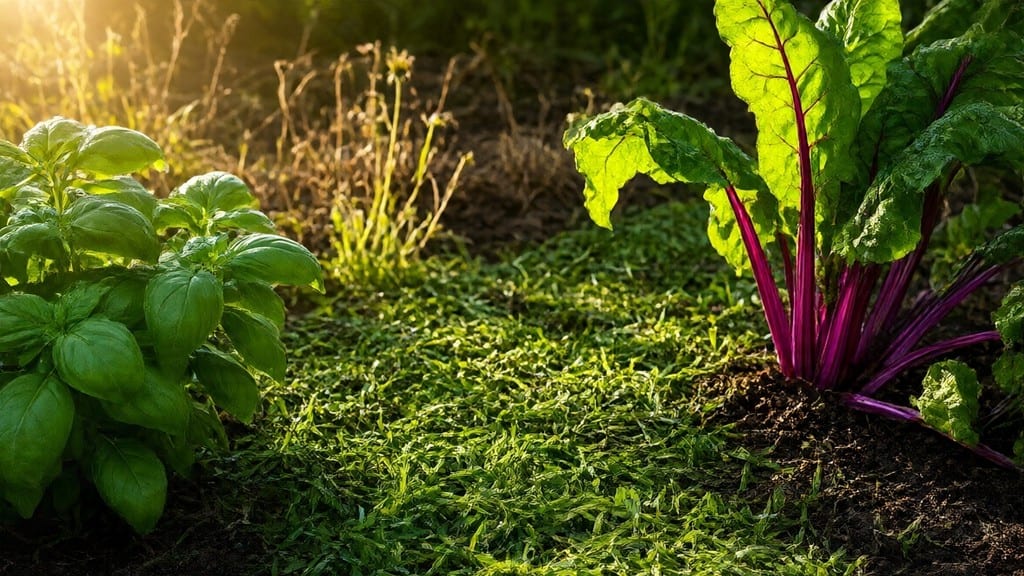
Tired of battling weeds that steal nutrients from your prized plants? Grass mulch is your secret weapon—blocking sunlight from weed seeds while feeding your soil as it decomposes. Unlike synthetic mulches, it’s free, organic, and breaks down into nutrient-rich compost that your plants will love.
Spread a 2-3 inch layer of fresh grass clippings (mowed with a bagger or catcher) over garden beds after planting. The thick layer smothers weeds by cutting off their light source, while the nitrogen-rich clippings improve soil fertility over time. For best results, apply when weeds are just sprouting—before they get established. This method works especially well for organic gardeners who want to avoid herbicides.
Perfect for flower beds, vegetable gardens, or perennial borders, grass mulch saves time on weeding while giving your soil a natural boost. Try it this season and watch your plants thrive without the hassle. 💚
Moisture Retention for Potted Plants
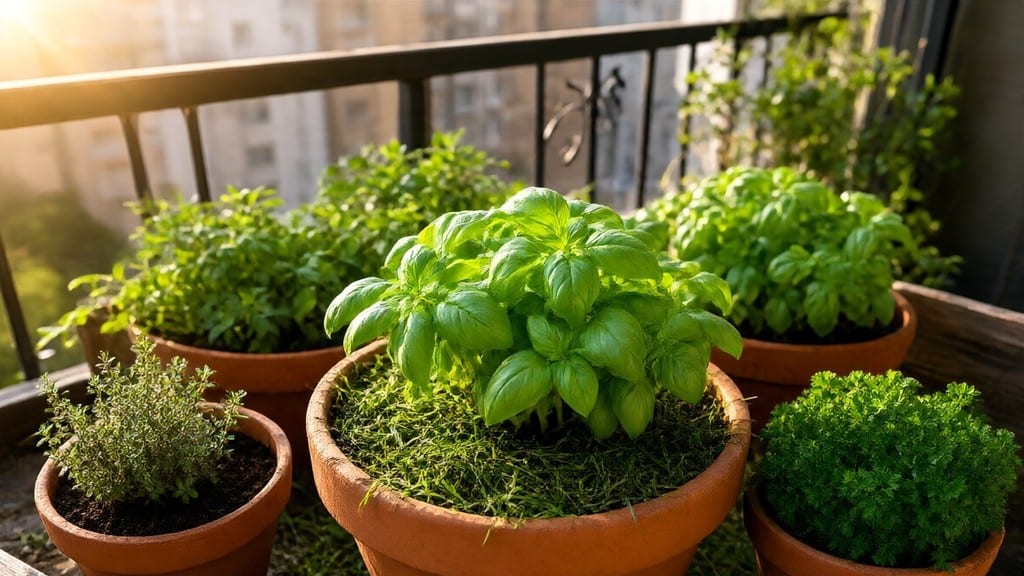
Struggling to keep your potted herbs or balcony plants from drying out between waterings? A 1-2 inch layer of grass mulch on top of your container soil can cut watering needs by up to 30% while preventing evaporation. Unlike traditional mulches, grass clippings break down quickly, adding nutrients directly to the roots of your plants.
For best results, apply mulch after watering your plants thoroughly—this ensures moisture penetrates the soil before the mulch layer locks it in. Use fresh, dry clippings (not wet or clumpy) and avoid piling it against plant stems to prevent rot. This method works especially well for succulents, herbs, and annuals in small pots where soil dries out fastest.
Urban gardeners and busy plant parents will love this hack—it’s the secret to thriving plants with minimal effort. 💚
Erosion Control on Slopes and Hillsides
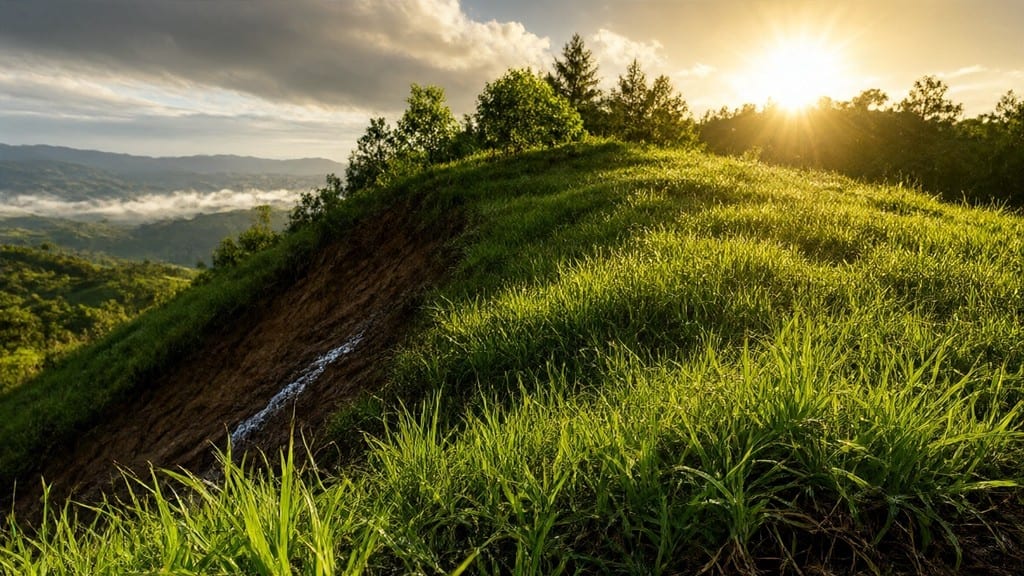
Transforming bare slopes into lush, stable landscapes doesn’t require expensive retaining walls or synthetic solutions—just a thick layer of grass mulch. This natural method absorbs rainwater like a sponge while binding loose soil particles together, reducing runoff by up to 70% during downpours.
Spread 2-3 inches of fresh grass clippings (or dried mulch) over the slope, then lightly rake to create a uniform layer. For slopes over 30 degrees, consider adding biodegradable erosion control blankets over the mulch for extra reinforcement. Water gently after application to help the mulch settle and start working immediately.
Perfect for homeowners with hilly yards, permaculture enthusiasts, or anyone restoring degraded land—this technique works year-round and blends seamlessly into natural landscapes. Just avoid using mulch treated with herbicides, as these can harm beneficial soil microbes. 🌿
Compost Accelerator for Fast Decomposition
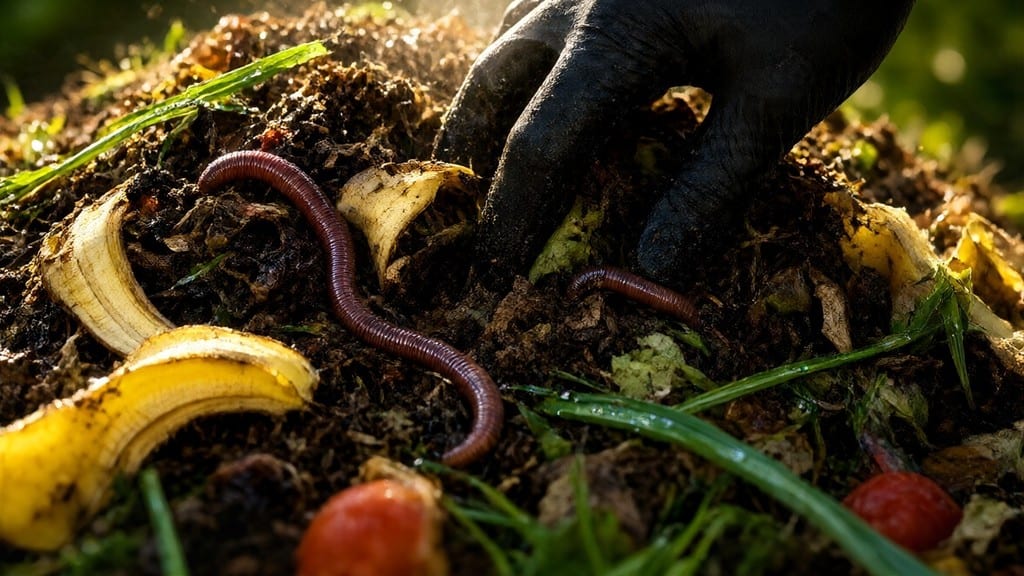
Turn your compost pile from a slow process into a nutrient factory by using grass mulch as a natural accelerator. Instead of waiting months for decomposition, this method attracts earthworms and microbes that break down organic matter in weeks—giving you rich compost for your garden beds faster.
Start by layering grass clippings with brown materials like leaves or straw in your compost bin. Keep the pile moist but not soggy to encourage microbial activity, and turn it every few days to aerate. The grass mulch’s high nitrogen content fuels decomposition, while its fine texture creates ideal conditions for worms to thrive.
This hack is perfect for urban gardeners with limited space or anyone tired of waiting for compost to mature. With this method, you’ll have ready-to-use compost for planting in just a few weeks—no patience required! 🌱
Winter Insulation for Perennial Gardens
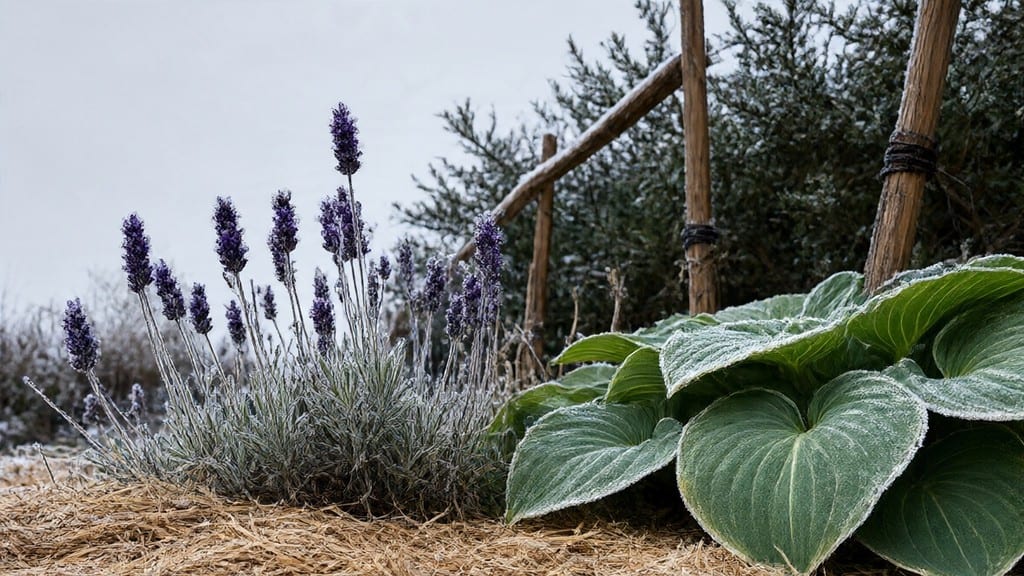
Cold-hardy perennials like lavender and hostas deserve extra protection when winter arrives—but you don’t need straw or leaves to shield their roots. A thick layer of grass mulch acts as a natural insulator, buffering roots from extreme temperature swings that cause thaw cycles, which can be deadlier than steady freezing.
Simply mound 2-3 inches of dry grass clippings around the base of plants in late fall, leaving the crown exposed. The mulch traps heat radiating from the soil while allowing moisture to escape, preventing rot. For extra defense in sub-zero zones, top with a lightweight frost cloth—the mulch will still work underneath. This method works best for tender perennials like peonies or daylilies in USDA zones 5-7.
Gardeners in snowy climates will love this zero-waste trick—it’s cheaper than commercial mulches and disappears into the soil by spring, leaving no mess. 🌟
Pathway Stabilization for Garden Trails
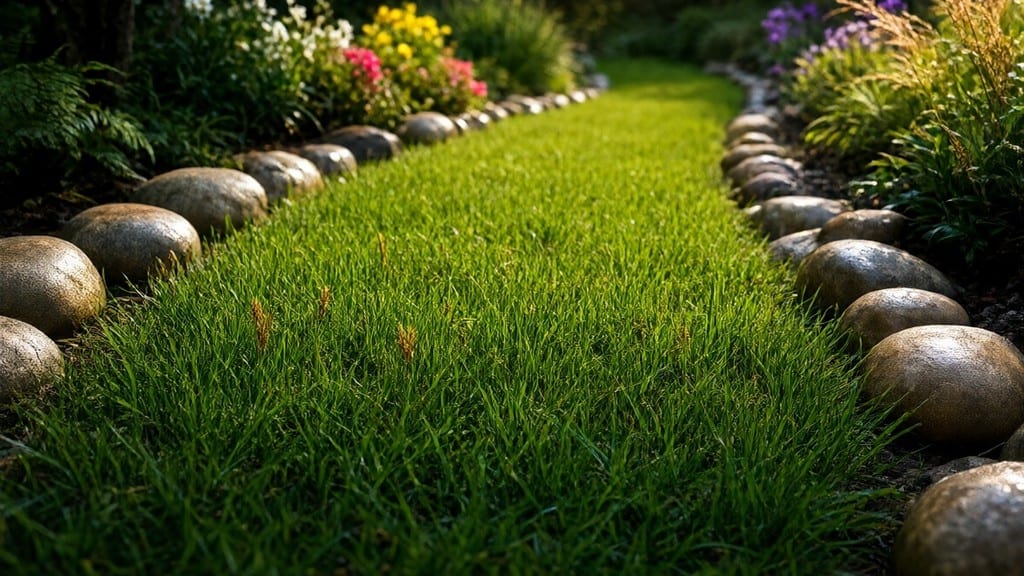
Tired of muddy, uneven paths that turn into weed magnets after every rain? Grass mulch transforms garden trails into firm, stable walkways that stay put—no more shifting gravel or sinking soil. Unlike traditional mulches, it locks moisture in while preventing compaction, making it ideal for high-traffic vegetable garden paths or decorative garden trails.
Spread a 2-3 inch layer of finely chopped grass clippings (preferably from mower bags) along your path edges, then tamp lightly with a board or your foot. For extra durability, mix in 10% sand to improve drainage. Replenish every 3-4 months to maintain firmness, and watch weeds struggle to break through the dense mat. The mulch also breaks down slowly, enriching soil around edging plants.
This method is perfect for urban gardeners with limited space or anyone who wants low-maintenance paths that stay weed-free and firm year-round. 🌻
Soil Conditioner for New Lawn Sod
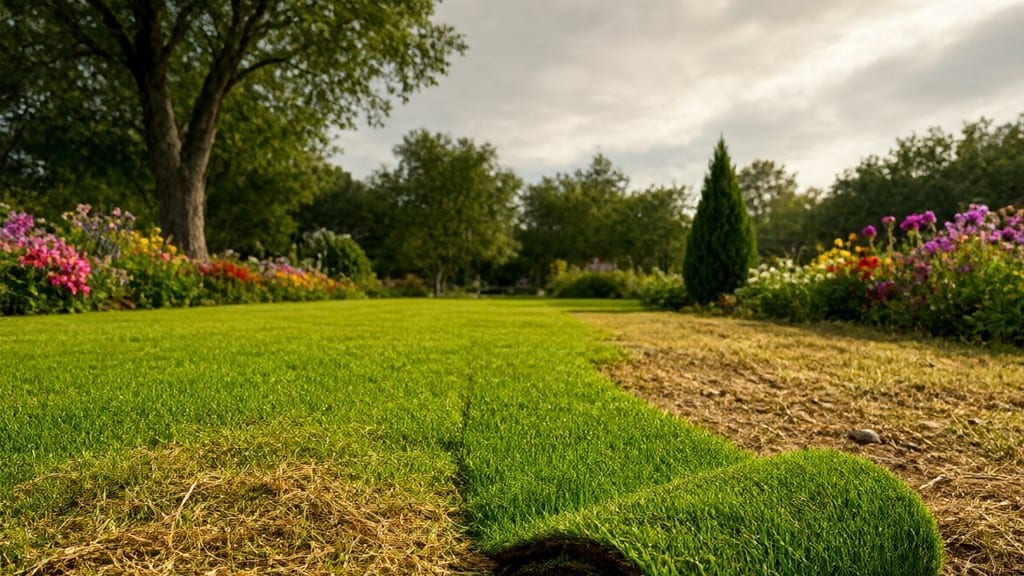
Transforming a patchy lawn into a lush carpet of green starts with the right foundation—and grass mulch is your secret weapon for new sod success. When laid over freshly installed sod, it creates a protective barrier that locks in moisture, shields tender roots from extreme temperatures, and speeds up establishment by up to 30%.
Spread a 2-3 inch layer of finely chopped grass clippings (or store-bought mulch) immediately after sod installation, then lightly water to settle it in. This method works best in spring or early fall when temperatures are moderate, but it’s especially critical during hot summers or cold snaps. The mulch also suppresses weeds, reducing competition for nutrients while your grass takes hold.
Lawn restoration projects—whether repairing bare spots or overseeding—will see faster results with this technique, saving you time and water. It’s the eco-friendly alternative to synthetic lawn covers. 🌱
Wildlife Habitat Enhancer for Pollinators
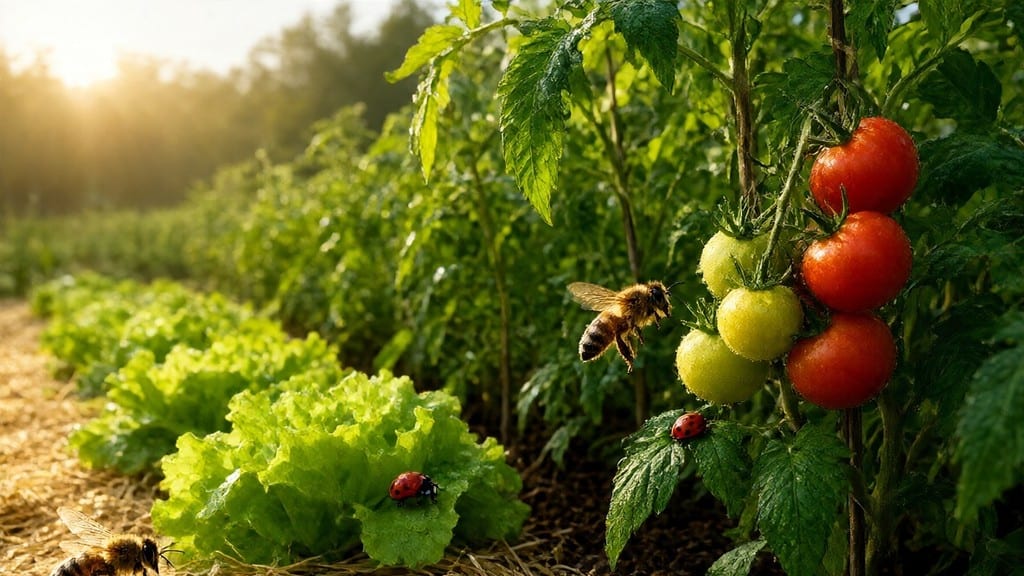
Turn your vegetable garden into a buzzing ecosystem with grass mulch—a secret weapon for attracting pollinators like bees and ladybugs. Unlike bare soil, grass mulch retains moisture longer, creating a welcoming environment for beneficial insects that naturally control pests like aphids and caterpillars.
Spread a 2-3 inch layer of finely chopped grass clippings around flowering plants and herbs, like basil, marigolds, or dill, to maximize pollinator activity. The mulch also provides shelter for ladybug larvae, which hunt garden pests. For best results, keep the mulch slightly damp—this mimics natural habitats where insects thrive.
This method is a game-changer for organic gardeners, reducing the need for chemical sprays while boosting yields. Perfect for small urban plots or sprawling farms, it’s a low-effort way to support biodiversity. 🌻
Post-Harvest Soil Prep for Vegetable Gardens
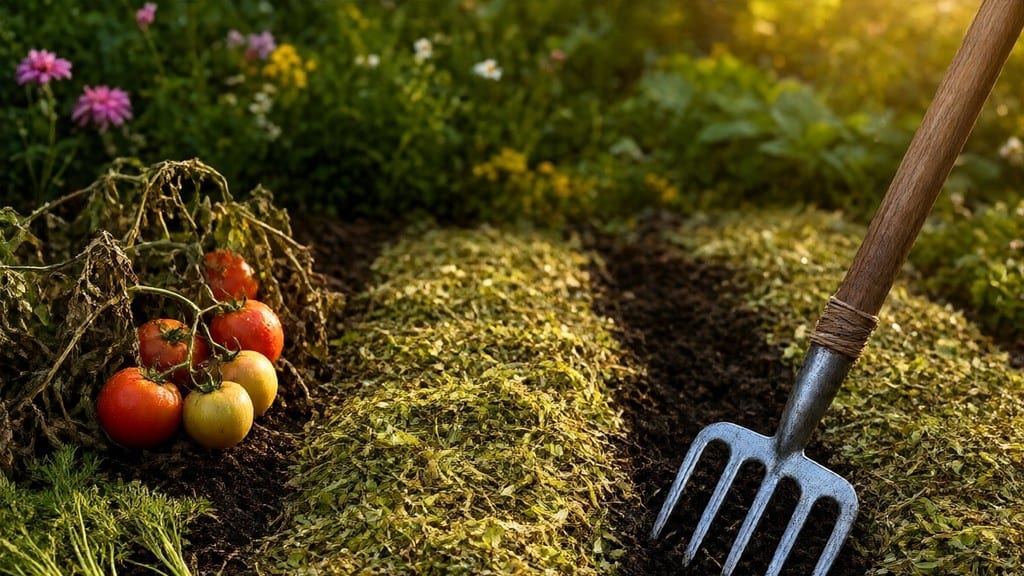
After harvesting your vegetable garden, don’t let the soil rest bare—grass mulch transforms depleted beds into nutrient-rich real estate. When spread over freshly tilled soil, it breaks down into humus, a slow-release fertilizer that replenishes nitrogen and organic matter while suppressing weeds. This process creates the perfect foundation for succession planting, letting you squeeze in another crop like lettuce or radishes before winter.
For best results, apply a 2-3 inch layer of fresh grass clippings (dried or lightly moist) immediately after harvest. Mix it lightly into the top inch of soil to speed decomposition, or leave it on the surface for a "no-dig" approach. The mulch will also retain moisture, reducing irrigation needs by up to 20% during hot summer months when you’re prepping for fall crops.
This method is a game-changer for urban gardeners or anyone practicing intensive planting—it’s free, sustainable, and extends your growing season without synthetic amendments. Just avoid using it if your soil is already nitrogen-rich (like after legume harvests). 🌱
DIY Grass Clippings Mulch for Turf Repair
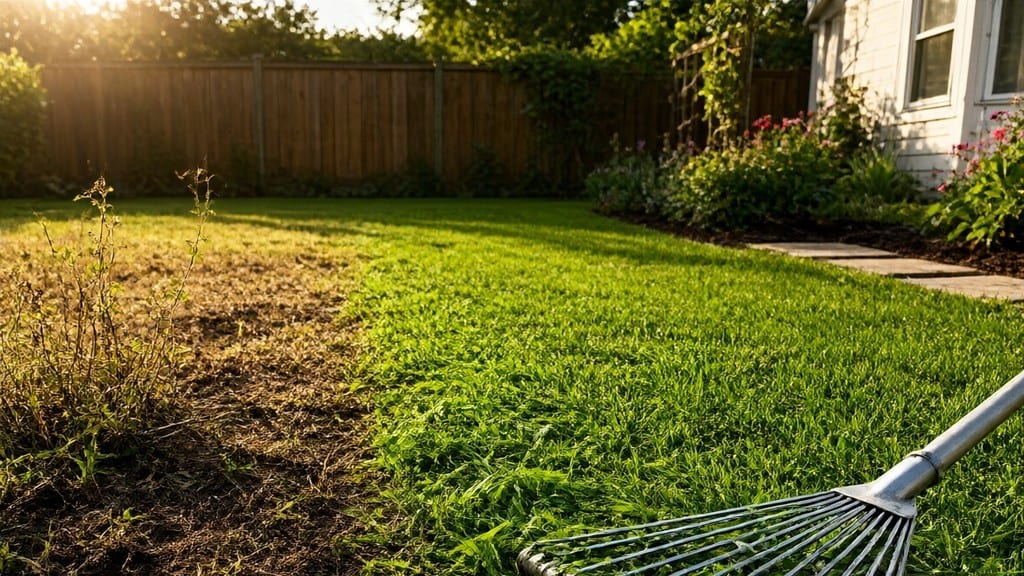
Tired of patchy lawns that look more like a patchwork quilt than a lush carpet? DIY grass clippings mulch is your secret weapon for instant turf repair—no sod patches or synthetic grass required. This zero-waste technique turns your lawn’s trimmings into a nutrient-rich blanket that shields bare spots while locking in moisture.
Simply mow over the thin areas with a mulching mower (or spread clippings by hand) to create a thick layer—about ¼ inch deep—over bare soil or struggling grass. The mulch blocks weeds, keeps roots hydrated, and breaks down to feed your lawn naturally. For best results, water lightly after application to help the clippings settle and encourage new growth.
Perfect for budget-conscious gardeners and eco-conscious homeowners, this method works year-round and eliminates the need for expensive sod repairs. Your lawn will look fuller in days, not weeks! 🌱