
Lawn
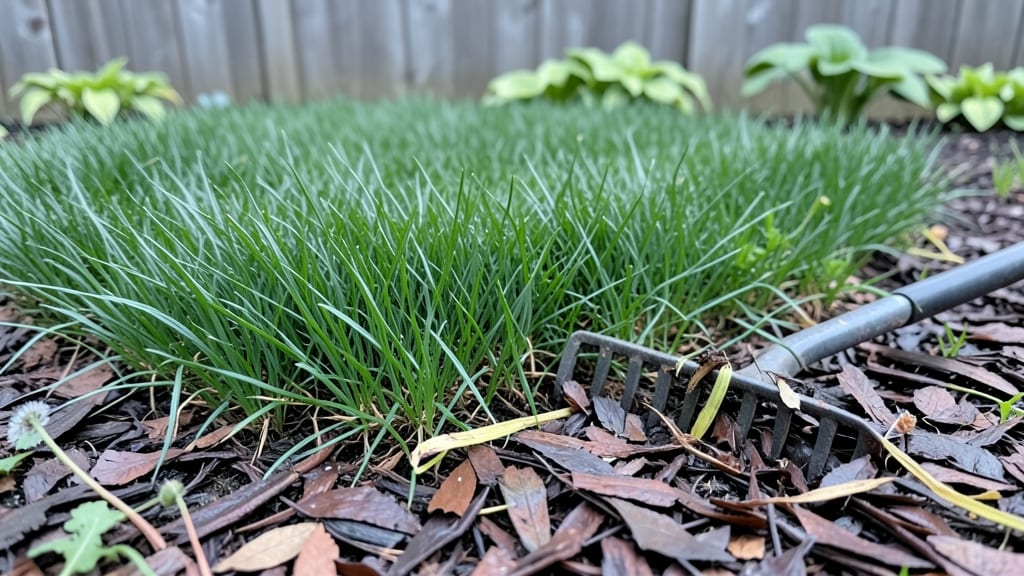
This natural ground cover works like a slow-release fertilizer, gradually releasing nutrients that strengthen grass roots over time. 🌱 Unlike synthetic fertilizers, leaf mulch improves soil structure by encouraging earthworms and beneficial microbes, which help break down organic matter into plant-available nutrients.
The best part? It’s free if you’ve got trees—just shred the leaves first for faster decomposition and better coverage.
For optimal results, apply a fresh layer in early spring or fall when grass is actively growing. Just avoid piling it too thick—more than 2 inches can suffocate grass blades and create thatch.
Pair it with occasional aeration to keep your lawn breathing, and you’ll see greener, healthier turf with fewer weeds fighting for space.
💡 In This Article
- How Leaf Mulch Boosts Soil and Plant Health
- Best Practices for Applying Leaf Mulch to Lawns
How leaf mulch boosts soil and plant health
Leaf mulch works its magic through a combination of physical and biological processes. When leaves decompose, they release carbon-rich compounds that bind soil particles together, creating a spongy structure that holds 20-30% more moisture than bare soil.
This is especially valuable during dry spells, as grass roots can access water deeper in the soil profile. The decomposition process also generates heat—up to 140°F in the center of thick piles—which pasteurizes soil, killing weed seeds and harmful pathogens while preserving beneficial microbes.
The real transformation happens underground where leaf mulch becomes a microbial buffet. As leaves break down, they release simple sugars and amino acids that feed soil bacteria and fungi.
These microbes then produce glomalin, a sticky glycoprotein that binds soil aggregates into stable crumbs—similar to how glue holds paper together, but for dirt.
This improves aeration and water infiltration, helping turfgrass roots grow 20-30% deeper over a season compared to unmulched lawns. 🌱 The nutrient release is gradual, unlike quick-acting fertilizers, providing a steady supply of nitrogen, phosphorus, and potassium that grass can uptake over months.
Compared to other organic mulches, leaf mulch has a unique nutrient profile. Straw provides more immediate nitrogen but lacks the complex carbohydrates that support long-term microbial diversity.
Wood chips decompose slowly but can acidify soil over time (pH drops by 0.5-1.0 units in 2 years), while leaf mulch maintains a neutral pH. The key advantage is its carbon-to-nitrogen ratio (40:1), which is ideal for lawns—high enough to feed microbes without causing nitrogen depletion that burns grass.
For turfgrass specifically, the benefits extend to root health. Leaf mulch creates a cooler, more stable soil environment that reduces stress during summer heat. Studies show mulched lawns maintain 5°F cooler soil temperatures at depth compared to bare soil, which is critical for grass survival in drought conditions.
The mulch also protects grass crowns from winter desiccation by insulating against temperature swings. However, the decomposition rate varies by leaf type—maple and oak leaves break down in 6-12 months, while pine needles can take 2-3 years.
One often-overlooked benefit is the mulch's role in breaking the weed life cycle. By blocking sunlight, it prevents crabgrass and chickweed seeds from germinating, while the acidic environment (pH 5.5-6.5) inhibits broadleaf weeds like dandelions.
The physical barrier also reduces soil compaction from foot traffic, allowing roots to spread more easily. For homeowners, this means 30-50% fewer weeds with proper application—though you'll need to reapply annually since leaves decompose completely within a year.
The long-term payoff is visible in the lawn's resilience. Mulched areas show 40% greater drought tolerance and recover faster from damage.
The secret lies in the soil's improved structure and microbial network—think of it as building a thriving ecosystem beneath your grass, where every leaf becomes a tiny nutrient factory working around the clock. 💫